
Understanding Composite Cladding
Composite cladding, particularly wood plastic composite (WPC), has gained immense popularity in the construction of outdoor spaces. This material is engineered from a blend of wood fibres and plastic, producing a product that is both durable and aesthetically pleasing. As homeowners and builders seek alternatives to traditional materials, the question arises: is composite cladding waterproof? The answer is a resounding yes. WPC cladding is designed to withstand the elements, providing a protective barrier against moisture, which is essential for outdoor applications.
Water Resistance and Longevity
One of the most appealing features of WPC cladding is its remarkable water resistance. Unlike natural wood, which absorbs water and can lead to issues such as warping, rotting, and mould, composite cladding is engineered to repel moisture. This inherent waterproof nature makes WPC an ideal choice for areas exposed to rain, humidity, or splashes from pools. By preventing water intrusion, the material significantly extends the life of your building’s exterior, reducing the need for frequent replacements or repairs.
Moreover, the durability of composite cladding contributes to its low maintenance requirements. Unlike traditional materials that often need regular painting or staining to preserve their appearance, WPC cladding maintains its colour and finish over time. This means that homeowners can enjoy a beautiful façade without the hassle of constant upkeep. The longevity of composite materials also means that they are a cost-effective solution in the long run, as the initial investment pays off through years of reliable service.
Low Maintenance Advantages
In addition to its water-resistant properties, WPC cladding offers a host of low maintenance advantages. The non-porous surface of composite materials ensures that dirt and grime do not penetrate, allowing for easy cleaning with just soap and water. This is a significant benefit for outdoor applications, where exposure to the elements can result in a build-up of dirt and mildew on surfaces. Homeowners can spend less time worrying about upkeep and more time enjoying their outdoor spaces.
Furthermore, the absence of painting or staining requirements means no need for harsh chemicals that could be harmful to the environment. The eco-friendly nature of WPC not only appeals to environmentally conscious buyers but also aligns with the growing trend of sustainable building practices. With WPC cladding, homeowners can contribute to a greener planet while enjoying all the functional benefits it offers.
Applications of Composite Cladding
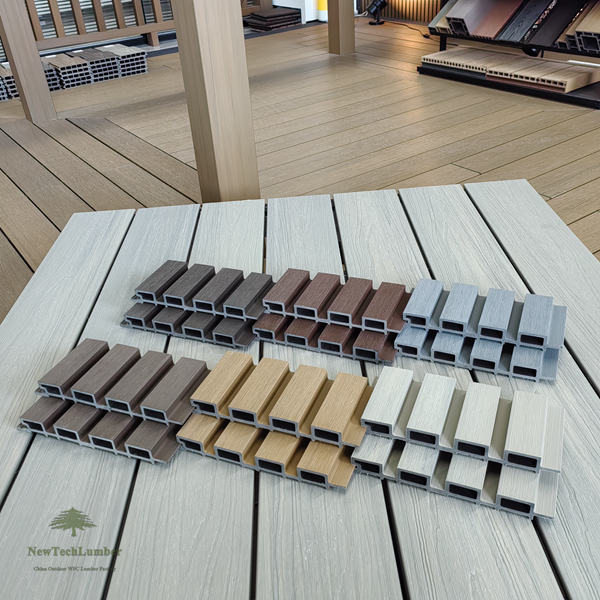
Composite cladding is incredibly versatile and can be used in a variety of outdoor applications beyond traditional wall coverings. From striking building facades to distinctive garden structures, WPC provides an opportunity to enhance the visual appeal of any environment. Its weather-resistant characteristics make it suitable for use in areas like pergolas, gazebos, and fencing, where exposure to moisture is a concern.
Architects and designers are increasingly turning to composite materials for their projects, recognising the aesthetic potential and practicality. With a variety of colours and textures available, composite cladding can mimic the appearance of natural wood while eliminating the associated drawbacks. This allows for creative freedom in design while ensuring the longevity and durability of the structure.
Environmental Considerations
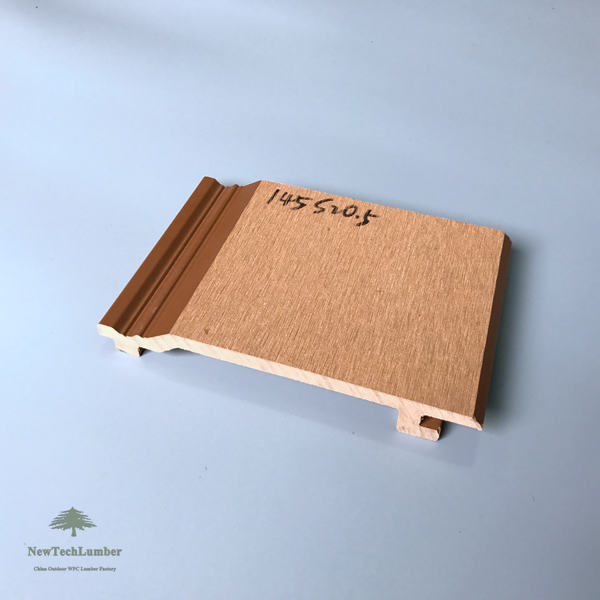
Choosing composite cladding is not only a practical choice but also an environmentally responsible one. Made from recycled materials, WPC contributes to the reduction of waste and the conservation of natural resources. As consumers become more aware of their environmental impact, the preference for sustainable building materials continues to rise. Composite cladding addresses these concerns by offering a product that is not only long-lasting but also recyclable at the end of its life cycle.
Furthermore, the production processes for WPC are becoming increasingly eco-friendly, with manufacturers implementing measures to reduce their carbon footprint. By selecting composite materials, builders and homeowners can contribute to more sustainable construction practices.
Choosing the Right Composite Cladding
When selecting composite cladding for outdoor applications, it is essential to consider not only the water resistance but also the overall quality and manufacturer reputation. Newtechlumber.com, a leading Chinese manufacturer and exporter, offers a wide range of high-quality WPC products that meet international standards. Their composite decking and wall panels are designed for durability, low maintenance, and aesthetic appeal, making them an excellent choice for any building project.
Investing in the right composite cladding ensures a long-lasting, beautiful finish that requires minimal upkeep. With proper care, your WPC cladding can deliver years of service while maintaining its attractive appearance, proving to be a valuable addition to any outdoor space.