
Innovative WPC Wall Cladding Design for Modern Architecture
The evolution of building materials has significantly influenced architectural design, particularly with the introduction of innovative materials such as wood plastic composites, commonly known as WPC. This material combines the natural aesthetics of wood with the durability of plastics, offering a unique solution for modern architecture. The design of WPC wall cladding has garnered attention due to its exceptional performance characteristics and versatility, making it an attractive choice for architects and builders alike.
One of the most compelling features of WPC wall cladding is its remarkable durability. Unlike traditional wood, which is susceptible to rot, warping, and insect damage, WPC is engineered to withstand the elements. It is resistant to moisture, which minimizes the risk of decay and extends the lifespan of the cladding. This durability is particularly advantageous in regions with extreme weather conditions, where fluctuating temperatures and high humidity levels could compromise other materials. The ability of WPC to retain its structural integrity over time reduces maintenance costs and enhances the overall sustainability of a building.
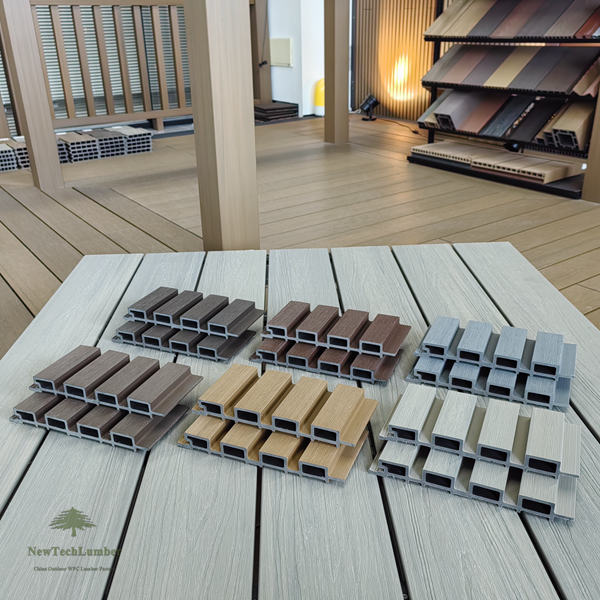
In addition to its durability, WPC exhibits outstanding resistance to fading and discoloration. Traditional wood can lose its luster and natural color when exposed to UV rays, leading to a need for frequent refinishing or treatment. WPC, on the other hand, is formulated with additives that enhance UV resistance, ensuring that its appearance remains vibrant for years. This characteristic is essential for modern architecture, where aesthetics play a pivotal role in design. The variety of colors and finishes available in WPC allows architects to achieve a wide range of visual effects, making it possible to create striking facades that stand out in urban environments.
WPC wall cladding also offers excellent thermal insulation properties, contributing to energy efficiency in buildings. The composite structure of WPC provides a barrier against heat transfer, helping to maintain comfortable indoor temperatures regardless of external conditions. This thermal performance reduces the reliance on heating and cooling systems, resulting in lower energy consumption and a smaller carbon footprint. The integration of energy-efficient materials aligns with modern architectural practices that prioritize sustainability and environmental responsibility.
Moreover, the lightweight nature of WPC makes it an attractive option for architects looking to reduce the overall weight of a structure without compromising strength. This characteristic simplifies the installation process and can lead to significant cost savings in terms of transportation and labor. The ease of handling and installation associated with WPC allows for more efficient construction timelines, enabling projects to move forward with greater speed and agility. This can be particularly beneficial in fast-paced building environments where time is of the essence.
From a design perspective, WPC wall cladding offers unparalleled versatility. It can be easily molded into various shapes and profiles, allowing for creative expression in architectural design. The ability to create custom textures and patterns enhances the visual appeal of buildings, providing architects with the freedom to experiment and innovate. Whether used in residential projects or commercial developments, WPC can adapt to a range of design styles, from contemporary to rustic.
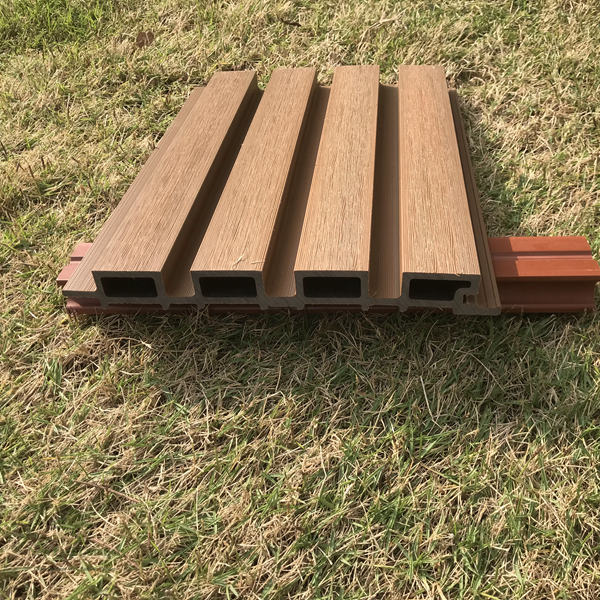
Another significant advantage of WPC is its eco-friendliness. The production of WPC involves the use of recycled materials, which reduces the demand for virgin resources and minimizes waste. This aligns with the growing trend toward sustainable building practices and appeals to environmentally conscious consumers. By choosing WPC wall cladding, architects and builders can contribute to a greener future while still achieving high-performance design standards.
Safety is another critical consideration in modern architectural design, and WPC does not fall short in this regard. Many WPC products are designed to be fire-resistant, meeting stringent safety codes and regulations. This characteristic is essential for buildings in urban areas where fire safety is a paramount concern. The ability to meet safety standards without sacrificing aesthetic appeal makes WPC an excellent choice for architects focused on creating safe yet visually striking structures.
The aesthetic potential of WPC wall cladding is enhanced by its ability to mimic the appearance of natural wood without the associated drawbacks. This allows for a seamless integration of modern materials with traditional design elements, catering to diverse architectural preferences. The use of WPC can create a warm and inviting atmosphere, making it suitable for a variety of applications, from residential homes to commercial spaces.
In light of the performance characteristics and design possibilities that WPC wall cladding offers, it is clear that this innovative material is reshaping modern architecture. Its durability, thermal efficiency, lightweight nature, and eco-friendliness make it an ideal choice for contemporary building projects. As architects continue to explore the boundaries of design and sustainability, WPC wall cladding stands out as a forward-thinking solution that meets the demands of both aesthetics and functionality. The future of architecture lies in the ability to merge innovative materials with creative visions, and WPC is at the forefront of this exciting evolution.