
Explore the Versatility of WPC Slatted Cladding for Your Projects
Wood-Plastic Composite (WPC) slatted cladding has emerged as a popular choice for a variety of construction and design projects. Its unique combination of wood and plastic provides not only aesthetic appeal but also functional advantages. This versatility makes WPC slatted cladding suitable for various applications, ranging from residential homes to commercial buildings, and even outdoor spaces. Understanding the installation and maintenance aspects of WPC slatted cladding can help you maximize its benefits in your projects.
One of the primary advantages of WPC slatted cladding is its ease of installation. Unlike traditional timber cladding, which often requires complex cutting and finishing processes, WPC is designed to be user-friendly. The boards are typically pre-cut and come in standardized sizes, making it easier for installers to work efficiently. Additionally, WPC is lightweight compared to solid wood, allowing for simpler handling and manipulation during installation. This characteristic can significantly reduce labor costs, as fewer workers may be needed to complete the task.
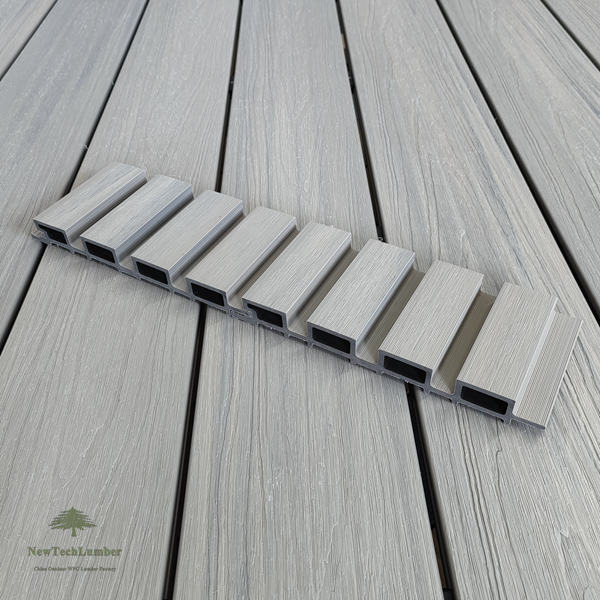
Moreover, WPC slatted cladding is engineered to interlock easily. Many products feature tongue-and-groove designs or clip systems that facilitate quick and secure attachment to the underlying structure. This not only streamlines the installation process but also enhances the structural integrity of the cladding. By ensuring tight connections between boards, the potential for moisture intrusion and subsequent damage is minimized. For projects in regions that experience significant rainfall or humidity, this feature is particularly beneficial.
Another important consideration during installation is the need for proper ventilation. Although WPC is resistant to rot and decay, it is still essential to allow for air circulation behind the cladding. This helps to prevent moisture buildup, which can lead to mold and mildew issues over time. Incorporating a breathable membrane or using spacer strips can facilitate airflow while maintaining the aesthetic appeal of the cladding. Proper installation techniques will ultimately extend the lifespan of the WPC slatted cladding, ensuring that it remains visually appealing and structurally sound for years to come.
Maintenance of WPC slatted cladding is relatively straightforward compared to traditional wood options. One of the significant advantages of WPC is its resistance to common issues such as warping, cracking, and fading. Unlike natural wood, WPC does not require regular staining or sealing to maintain its appearance and functional integrity. Instead, periodic cleaning is typically sufficient to keep the cladding looking its best. A simple wash with soap and water can remove dirt and debris, making it easy to maintain a clean and attractive exterior.
For those who desire a deeper clean or wish to remove stubborn stains, pressure washing is an option. However, it is essential to use a low-pressure setting to avoid damaging the surface of the WPC. Additionally, it is advisable to test any cleaning solutions on a small, inconspicuous area before applying them to the entire surface. This precaution helps ensure that the chosen cleaning method does not inadvertently affect the color or texture of the cladding.
Another maintenance tip is to inspect the slatted cladding periodically for signs of wear or damage. While WPC is designed to withstand the elements, it is still a good practice to look for loose boards, signs of discoloration, or any other issues that may arise over time. Promptly addressing these concerns can prevent more significant problems from developing, such as moisture intrusion or structural instability.
For projects that involve outdoor applications, the UV resistance of WPC slatted cladding is a significant benefit. Many WPC products are treated with additives that help to protect against fading and discoloration caused by prolonged sun exposure. This characteristic makes WPC an excellent choice for areas that receive direct sunlight, such as patios, decks, and exterior walls. As a result, your outdoor projects can maintain their visual appeal without the constant need for upkeep.
Another factor to consider when selecting WPC slatted cladding is its environmental impact. Many manufacturers produce WPC from recycled materials, making it a sustainable choice for eco-conscious projects. By utilizing WPC, you can contribute to reducing waste and promoting a greener building industry. This aspect makes it an appealing option for environmentally friendly construction and design.
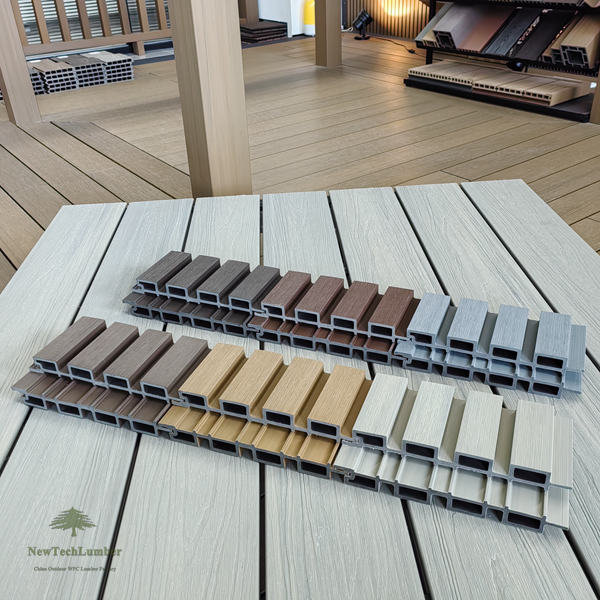
In terms of versatility, WPC slatted cladding can be used in various design styles. Whether you prefer a modern aesthetic or a more traditional look, WPC is available in a range of colors, textures, and finishes. This adaptability allows architects and designers to incorporate WPC into their projects seamlessly, ensuring that it complements the overall design vision.
Ultimately, the versatility of WPC slatted cladding extends beyond its aesthetic qualities. Its ease of installation, minimal maintenance requirements, and environmental benefits make it a practical choice for various projects. By understanding the installation and maintenance aspects of WPC, you can effectively leverage its advantages in your construction and design endeavors. With the right approach, WPC slatted cladding can enhance the beauty and functionality of your projects while providing long-lasting value.