
Finding where to buy wood plastic composite decking requires an understanding of the global supply chain dynamics, production capacity distribution, and price advantages associated with different regions. Wood plastic composite decking has gained popularity due to its durability, aesthetic appeal, and low maintenance requirements. As a result, the global market for this material has expanded significantly, leading to various options for consumers and businesses alike.
The production of wood plastic composites is concentrated in several key regions around the world. North America, particularly the United States and Canada, has established a strong foothold in the manufacturing of these materials. This region benefits from abundant wood resources and advanced manufacturing technologies. Several companies in this area have invested in research and development, leading to innovative products that cater to diverse consumer needs.
Europe is another significant player in the wood plastic composite market. Countries such as Germany, the United Kingdom, and Sweden have developed robust production capabilities. The European market is characterized by stringent environmental regulations, prompting manufacturers to adopt sustainable practices. As a result, many European companies focus on sourcing recycled materials, which enhances the eco-friendliness of their products. This emphasis on sustainability often translates into a price premium, as consumers are willing to pay more for environmentally responsible options.
Asia, particularly China, has emerged as a dominant force in the wood plastic composite industry. The country has rapidly scaled its production capacity, making it one of the largest manufacturers of composite decking globally. The availability of low-cost labor and raw materials has allowed Chinese companies to offer highly competitive prices. This price advantage has attracted buyers from various regions, especially those looking for budget-friendly options. However, the quality of products can vary significantly, so it is essential for buyers to conduct thorough research before making purchases.
When exploring where to buy wood plastic composite decking, it is crucial to consider not only the location of production but also the distribution networks in place. Many manufacturers have established partnerships with distributors and retailers, making their products accessible to consumers worldwide. Online platforms have also become a popular avenue for purchasing decking materials, allowing buyers to compare prices, read reviews, and make informed decisions without the need for physical store visits.
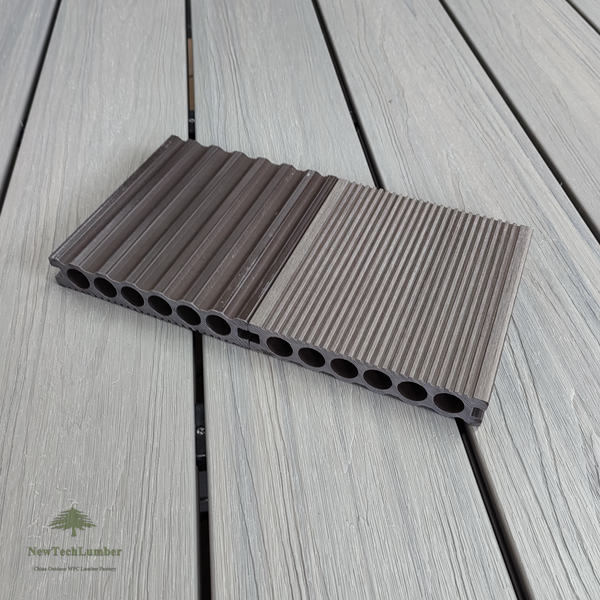
The price of wood plastic composite decking can fluctuate based on several factors, including raw material costs, manufacturing processes, and transportation expenses. Buyers should be aware of these variables when seeking the best deals. For instance, purchasing directly from manufacturers in regions with lower production costs can lead to significant savings. However, it is essential to factor in shipping costs and potential delays, which can impact the overall affordability of the purchase.
In addition to price considerations, buyers should evaluate the warranty and customer support provided by manufacturers or retailers. A comprehensive warranty can serve as a safeguard against defects and provide peace of mind for those investing in decking materials. Furthermore, responsive customer support can assist buyers in addressing any issues that may arise during the purchasing process or after installation.
For those looking to buy wood plastic composite decking, it is advisable to explore multiple sources and compare offerings. Local home improvement stores often carry popular brands, but specialized online retailers may offer a broader selection and better pricing. Engaging with industry forums or social media groups can also yield valuable insights and recommendations from other consumers who have experience with particular products or suppliers.
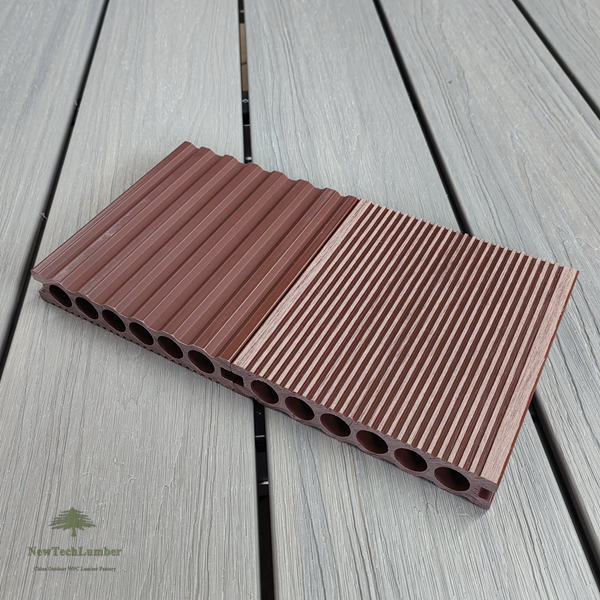
Ultimately, finding where to buy wood plastic composite decking involves navigating a landscape shaped by global production capacities and regional pricing strategies. By understanding the dynamics of the market and leveraging available resources, consumers can make informed decisions that align with their budget and quality expectations. Whether opting for local suppliers or exploring international options, the key is to conduct thorough research and prioritize both price and product quality in the purchasing process.