
When it comes to designing outdoor spaces, the choice of materials plays a crucial role in both aesthetics and functionality. One innovative option that has gained popularity in recent years is Deck WPC 30×30. WPC, or wood-plastic composite, is a material that combines the best attributes of both wood and plastic, offering a unique solution for various design needs. This article explores the benefits of Deck WPC 30×30 from a materials production and processing perspective, highlighting its advantages in outdoor applications.
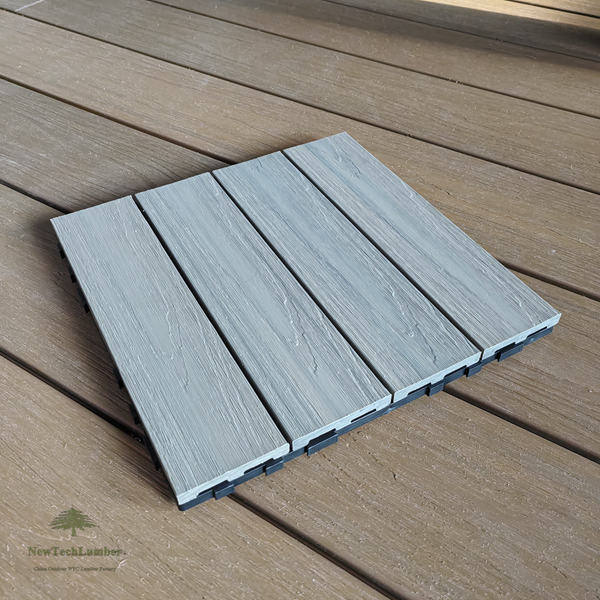
The production of Deck WPC involves blending wood fibers with thermoplastic materials, typically polyethylene or polypropylene. This process allows manufacturers to create a composite that retains the natural look and feel of wood while enhancing durability and resistance to the elements. The precise formulation of the composite can be tailored to achieve specific characteristics, such as color, texture, and strength, making it highly versatile for different design requirements.
One of the primary benefits of Deck WPC 30×30 is its exceptional durability. Unlike traditional wood, which can warp, splinter, or decay over time, WPC is engineered to withstand harsh weather conditions, including rain, snow, and intense sunlight. This resilience is a result of the polymer component, which provides moisture resistance and UV stability. As a result, Deck WPC can maintain its appearance and structural integrity for many years, reducing the need for frequent replacements or extensive maintenance.
From a design perspective, Deck WPC 30×30 offers significant flexibility in terms of aesthetics. The material can be produced in a variety of colors and finishes, allowing designers to achieve the desired look for outdoor spaces. Whether one seeks a contemporary appearance or a more traditional aesthetic, Deck WPC can be customized to fit the vision. Additionally, the uniformity of the material means that there are fewer discrepancies in color and texture compared to natural wood, providing a consistent and polished finish.
Another advantage of Deck WPC is its eco-friendliness. The production process can incorporate recycled materials, such as reclaimed wood fibers and post-consumer plastics, reducing the environmental impact associated with traditional manufacturing. Furthermore, WPC does not require harmful chemicals for treatment or maintenance, making it a safer choice for both users and the environment. For designers focused on sustainability, Deck WPC 30×30 presents an appealing option that aligns with eco-conscious values.
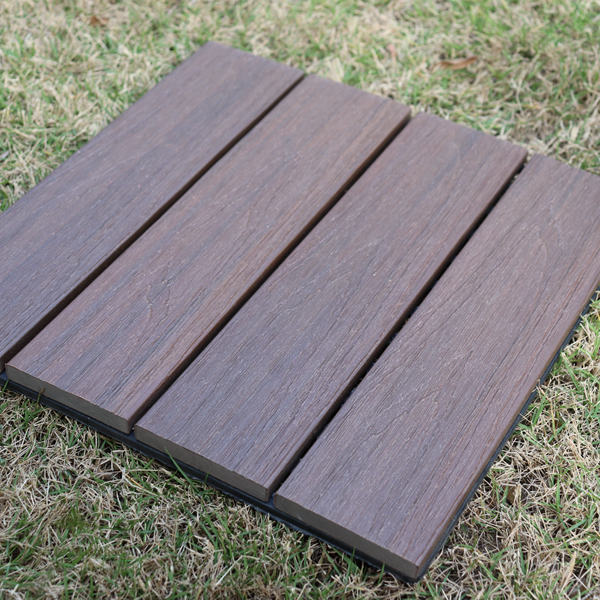
The ease of installation is another factor that enhances the appeal of Deck WPC 30×30 for design projects. The material is lightweight and can be easily cut and shaped to fit specific requirements, simplifying the construction process. Additionally, many WPC products are designed with interlocking systems or pre-drilled holes, allowing for quick assembly and reducing labor costs. This efficiency can be particularly advantageous for large-scale projects or contractors looking to streamline their operations.
Maintenance is a critical consideration for any outdoor material, and Deck WPC excels in this regard. Unlike traditional wood, which may require regular sealing, staining, or painting, WPC is low-maintenance. A simple wash with soap and water is often sufficient to keep the surface clean and looking new. This ease of upkeep not only saves time but also reduces long-term costs associated with maintenance and repairs.
Safety is also an essential aspect of outdoor design, and Deck WPC 30×30 offers advantages in this area as well. The material is typically slip-resistant, making it a safer option for outdoor areas that may be exposed to moisture. This feature is especially beneficial around pools, patios, and other recreational spaces where slipping could lead to accidents. Additionally, the absence of splinters and rough edges enhances safety for families and pets using the space.
Incorporating Deck WPC 30×30 into outdoor designs provides a multitude of benefits, from durability and aesthetics to sustainability and safety. The advanced production techniques and material properties ensure that it remains a leading choice for designers aiming to create functional and beautiful outdoor spaces. As more people recognize the advantages of this innovative material, the possibilities for its application in various design contexts continue to expand, making it a valuable addition to any outdoor project.