
Exterior Wall Panel: Add Style and Functionality to Your Outdoor Space
Exterior wall panels are increasingly becoming a popular choice for enhancing the aesthetic appeal and functionality of outdoor spaces. These panels serve as a versatile solution for both residential and commercial applications, offering a range of benefits that extend beyond mere decoration. When considering materials for exterior wall panels, it is essential to evaluate their performance characteristics, as these will significantly influence the longevity, maintenance, and overall effectiveness of the installation.
One of the primary materials used in the production of exterior wall panels is fiber cement. This material is highly regarded for its durability and resistance to harsh weather conditions. Fiber cement panels are composed of a mixture of cement, sand, and cellulose fibers, which provide strength and stability. Their resistance to moisture makes them an excellent choice for areas prone to heavy rainfall or humidity. Additionally, fiber cement panels are non-combustible, offering enhanced fire resistance compared to other materials, which adds a layer of safety to any building project.
Another popular material is vinyl, known for its lightweight nature and low maintenance requirements. Vinyl panels are available in a wide variety of colors and styles, making it easy to find an option that complements the existing architecture. The flexibility of vinyl allows it to expand and contract with temperature changes without losing its shape or integrity. Furthermore, vinyl is resistant to fading, which helps maintain the vibrant appearance of the exterior wall panels over time. The ease of installation associated with vinyl also makes it a favored choice among builders and contractors.
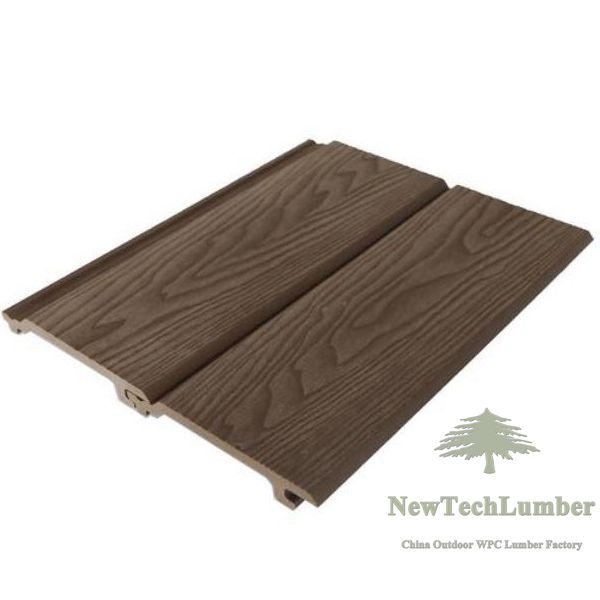
Wood is a classic material that brings warmth and natural beauty to outdoor spaces. However, when selecting wood for exterior wall panels, it is vital to choose species that are naturally resistant to decay and pests, such as cedar or redwood. Properly treated wood panels can offer a stunning visual appeal while also providing decent insulation properties. However, wood requires regular maintenance, such as staining or sealing, to protect it from weather-related damage. This ongoing maintenance can be a drawback for some homeowners, but those who appreciate the aesthetic value of wood may find it worth the effort.
Metal panels, often made from aluminum or steel, present a modern and industrial look that can enhance contemporary architectural designs. Metal panels are exceptionally durable and can withstand extreme weather conditions, including high winds and heavy snow loads. They are also resistant to rust and corrosion, especially when treated with protective coatings. The reflective surfaces of metal panels can contribute to energy efficiency by reflecting heat away from the building, thus helping to maintain a comfortable indoor environment. However, it is crucial to consider the potential for thermal expansion, as metal can expand and contract with temperature fluctuations.

In addition to traditional materials, composite panels have gained popularity in recent years. These panels are made from a combination of materials, often incorporating recycled content. Composite panels can offer the best of both worlds, combining the durability of synthetic materials with the aesthetic appeal of natural wood or stone. They are designed to resist fading, warping, and cracking, making them an excellent choice for those seeking a long-lasting solution that requires minimal maintenance.
When selecting exterior wall panels, one must also consider their insulation properties. Insulated panels can provide significant energy savings by reducing heat transfer between the exterior and interior of a building. This feature is particularly important in regions with extreme temperatures, where energy costs can become exorbitant. Panels with high insulation values can contribute to a comfortable living environment while reducing the dependency on heating and cooling systems.
Sound insulation is another performance aspect to consider, especially for buildings located in noisy urban environments. Certain materials, such as fiber cement and insulated panels, can offer enhanced soundproofing capabilities, reducing the amount of exterior noise that penetrates the building. This characteristic is particularly beneficial for residential properties near busy roads or commercial areas, where peace and quiet are highly valued.
Sustainability is an essential consideration in today’s construction landscape. Many manufacturers are now producing exterior wall panels from eco-friendly materials or utilizing sustainable practices in their production processes. Choosing panels made from recycled materials or those that can be recycled at the end of their life cycle contributes to environmental conservation efforts. Furthermore, some materials have a lower carbon footprint compared to traditional options, making them more appealing to environmentally conscious consumers.
The installation process of exterior wall panels also plays a crucial role in their overall performance. Proper installation techniques can maximize the benefits of the chosen material, ensuring effective water drainage, ventilation, and insulation. It is advisable to work with experienced professionals who are familiar with the specific requirements of the selected wall panel system.
Selecting the right exterior wall panel requires a careful evaluation of various performance characteristics, including durability, maintenance, insulation, and sustainability. The choice of material can significantly impact both the aesthetic and functional aspects of outdoor spaces. By making informed decisions based on these performance factors, homeowners and builders can create stylish and functional environments that stand the test of time.