
Exterior Wall Cladding: Enhance the Look and Protection of Your Outdoor Walls
Exterior wall cladding serves as both a crucial aesthetic element and a protective layer for outdoor walls. As architectural trends evolve, the demand for innovative and durable cladding materials has surged, driven by the need for buildings to withstand environmental challenges while also appealing to the eye. This article delves into the various market applications of exterior wall cladding, emphasizing its role in enhancing the appearance and protection of outdoor walls.
The primary function of exterior wall cladding is to shield the underlying structure from weather-related damage. Rain, snow, wind, and UV rays can all take a toll on building materials, leading to deterioration over time. By utilizing high-quality cladding materials, property owners can significantly extend the lifespan of their exterior walls. For instance, materials such as vinyl, metal, and fiber cement offer excellent resistance to moisture and can prevent issues like mold and rot, which are common in traditional building methods.
In addition to protection, exterior wall cladding plays a vital role in defining the character of a building. The market offers a plethora of design options, ranging from traditional wood siding to contemporary metal panels. This variety allows architects and builders to select materials that best align with their vision. For residential properties, natural wood cladding can create a warm and inviting appearance, while modern homes can benefit from sleek metal finishes that convey a sense of sophistication. By selecting the right cladding, property owners can enhance curb appeal and increase property value.
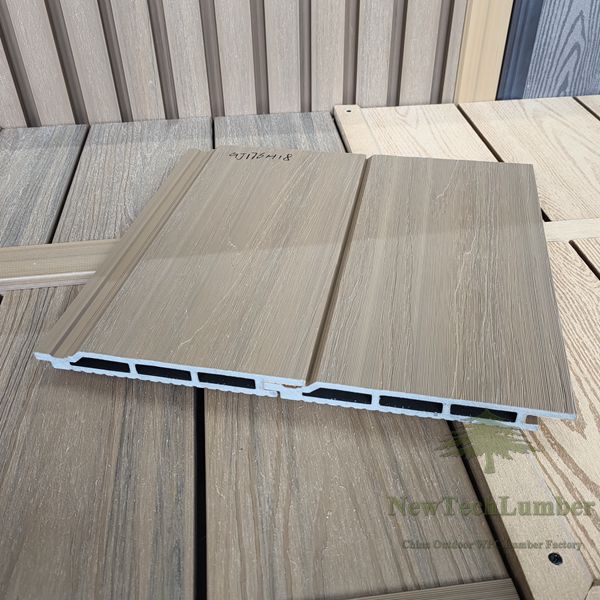
Sustainability is another pivotal aspect of the exterior wall cladding market. As environmental concerns become increasingly prominent, there is a growing demand for sustainable materials that minimize ecological impact. Manufacturers have responded by developing eco-friendly cladding options made from recycled materials or sustainably sourced wood. These choices not only help in reducing the carbon footprint but also appeal to environmentally conscious consumers. Integrating sustainable cladding into building projects can serve as a strong selling point, attracting buyers who prioritize green living.
Furthermore, the insulation properties of exterior wall cladding can contribute significantly to energy efficiency. Many modern cladding systems incorporate insulation materials, which help regulate indoor temperatures and reduce reliance on heating and cooling systems. By enhancing energy efficiency, property owners can lower utility bills while also reducing their environmental impact. This aspect is particularly appealing in the commercial sector, where energy costs can be substantial. Businesses that invest in energy-efficient cladding can enjoy long-term savings and bolster their reputation as responsible corporate citizens.
The installation process of exterior wall cladding has also evolved, thanks to advancements in technology and construction methods. Prefabricated cladding panels are becoming increasingly popular, allowing for quicker installation times and reduced labor costs. This efficiency is a significant advantage for commercial projects with tight deadlines. Additionally, the use of innovative fastening systems and weather-resistant barriers ensures that the cladding is securely attached and capable of withstanding harsh weather conditions.

Market trends indicate a rising interest in mixed-material facades, where various cladding types are combined to create unique visual effects. This trend allows architects to experiment with textures, colors, and shapes, fostering a creative approach to building design. By using a combination of materials, such as brick, wood, and metal, designers can create striking contrasts and enhance the overall aesthetic appeal of a property. This flexibility not only enriches the architectural landscape but also encourages individual expression in building design.
In the context of urban development, exterior wall cladding is instrumental in revitalizing neighborhoods. Many cities are investing in public-private partnerships to enhance the appearance of aging buildings and stimulate economic growth. Cladding can play a significant role in these initiatives by transforming the look of a building, making it more attractive to potential tenants or buyers. As cities strive for modernization, the application of modern cladding solutions can breathe new life into historical structures while preserving their character.
Additionally, regulatory standards and building codes are becoming more stringent, particularly concerning safety and fire resistance. Manufacturers are responding by developing cladding materials that meet these requirements without compromising aesthetics. For example, fire-rated cladding options are now available, ensuring that buildings remain safe while maintaining their visual appeal. This adaptability to regulatory changes is crucial for builders and developers who must navigate the complexities of compliance while still delivering attractive properties.
The global market for exterior wall cladding continues to expand, driven by urbanization, infrastructure development, and increasing awareness of energy efficiency. As consumers become more discerning about their choices, the demand for high-quality, aesthetically pleasing, and sustainable cladding solutions is likely to rise. The evolution of cladding materials and design philosophies will continue to shape the landscape of architecture and construction, making it an exciting time for industry professionals to explore innovative applications.
Investing in exterior wall cladding is not merely about enhancing the look of a building; it is about creating a protective barrier that adds value and sustainability. Whether for residential or commercial properties, the right choice of cladding can significantly influence the overall success of a project, offering benefits that resonate well beyond aesthetics. As the market continues to evolve, embracing these advancements will be essential for those looking to make informed decisions in the realm of construction and design.