
Factory Production Methods For Composite Decking For Docks
Modern outdoor WPC product design begins with a clear understanding of how composite decking for docks must perform in demanding environments. Dock surfaces are exposed to moisture, sunlight, changing temperatures, and frequent foot traffic, so factory production focuses on stable formulas, accurate extrusion, and consistent surface quality. Designers work closely with material engineers to balance wood fibre content, polymer composition, additives, and colour pigments to create boards that maintain appearance and strength over many years.
Efficient manufacturing systems allow WPC factories to produce large volumes while keeping strict quality standards. Automated mixing equipment, precision extrusion lines, cooling systems, and online inspection technology help maintain uniform dimensions and reliable performance. For international projects, production efficiency also supports customised orders, allowing factories to provide different board lengths, profiles, textures, and packaging solutions according to regional requirements.
Design Trends For Outdoor Composite Materials
Outdoor spaces are increasingly designed as extensions of indoor living areas, and composite decking has developed beyond simple flooring applications. As an outdoor WPC product designer, I focus on creating coordinated systems that include decking, wall panels, fences, pergolas, gazebos, and landscape products. Matching colours and surface finishes help designers create complete environments with a consistent visual identity.
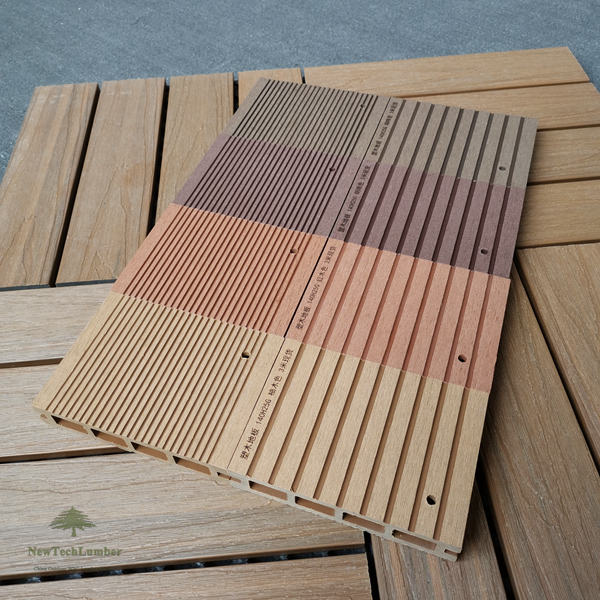
Current design trends favour natural colours inspired by timber, stone, and earth tones. Warm oak, charcoal grey, walnut, and coastal shades provide different moods for residential gardens, hotels, parks, and commercial waterfront areas. Embossed wood grain textures add a realistic appearance while maintaining the low maintenance benefits of composite materials. These details allow outdoor products to achieve a premium look without requiring regular painting or sealing.
Profiles And Modular Structures Improve Outdoor Applications
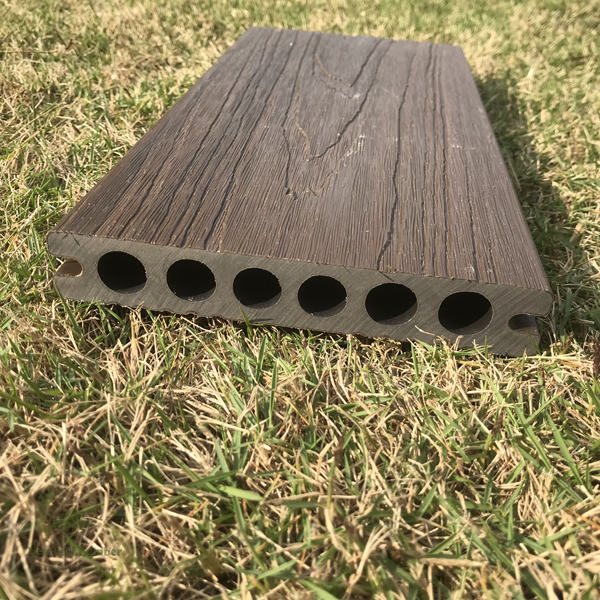
Composite product profiles are carefully developed to meet different installation conditions. Hollow boards can reduce weight and improve handling efficiency, while solid boards provide additional strength for heavy-use areas. For docks and marine environments, specialised profiles improve drainage, ventilation, and fixing stability. Accurate profile design also reduces installation time because components fit together more effectively during construction.
Modular design has become an important direction for modern landscape products. Decking systems can connect with matching railing, fencing, and decorative elements to create flexible outdoor layouts. Pergolas and gazebos designed with compatible WPC components provide architects and landscape consultants with more creative options. This approach simplifies supply chains for export customers because multiple products can be manufactured with shared design principles and coordinated finishes.
Quality Control Across WPC Manufacturing
Reliable composite outdoor products require detailed quality control throughout the manufacturing process. Raw material inspection checks moisture levels, particle size, and material consistency before production begins. During extrusion, engineers monitor temperature settings, pressure conditions, and board dimensions to prevent defects. Surface inspection ensures that textures, colours, and protective layers meet customer expectations.
For composite decking for docks, additional testing may include water absorption evaluation, slip resistance checks, load testing, and weathering assessments. These procedures help factories supply products suitable for different climates and applications. Quality inspection supervisors and production managers play an important role in maintaining stable output, especially for large international orders where consistency across thousands of boards is essential.
Customisation And Global Market Requirements
International buyers increasingly request customised WPC solutions that reflect local architecture and consumer preferences. OEM customisation specialists work with designers, engineers, and export teams to develop unique colours, embossed patterns, dimensions, and packaging formats. This flexibility helps manufacturers support projects ranging from private gardens to large landscape developments.
Outdoor WPC product designers also consider installation requirements from different markets. Simple fixing systems, clear installation guides, and practical accessories improve the experience for contractors and homeowners. After-sales service engineers collect feedback from completed projects, helping factories improve future designs. This continuous improvement process supports the development of durable, attractive, and efficient outdoor material solutions.
Sustainable Innovation In Outdoor WPC Design
Sustainability has become a major factor in composite product development. Many WPC manufacturers use recycled polymers and wood fibres to reduce waste and improve resource efficiency. Modern production lines are designed to minimise material loss, while long service life reduces the need for frequent replacement. These advantages make composite materials suitable for environmentally responsible landscape projects.
Future outdoor designs will continue combining practical performance with refined aesthetics. Advanced colours, realistic textures, intelligent profiles, and modular systems will allow composite products to support more creative outdoor environments. From waterfront docks to residential gardens, efficient factory production enables manufacturers to deliver reliable WPC solutions that meet the changing expectations of architects, builders, and global customers.