
Site Preparation For Composite Decking Over Concrete Without Sleepers
As an outdoor WPC after-sales service engineer, I often assist overseas buyers who install composite decking over concrete without sleepers and encounter avoidable problems. This installation method can provide a clean, low profile finish for terraces, balconies, courtyards, and commercial outdoor areas, but the concrete base must meet strict requirements before boards are fitted. The surface needs to be stable, level, dry, and free from dust, oil, loose particles, or standing water. A poor foundation is one of the main causes of board movement, uneven gaps, and premature product complaints.
Many installation failures happen because customers treat concrete as a simple floor rather than part of the decking system. Before installation, technicians should check drainage direction, surface flatness, and possible moisture retention. Composite boards need controlled expansion space around walls and fixed structures. Even without traditional sleepers, proper clips, support points, and approved installation methods from the manufacturer are necessary to maintain performance and warranty conditions.
Common Installation Errors Reported By Overseas Buyers
A frequent issue reported by customers is excessive movement after installation. This usually happens when boards are fixed too tightly, clips are installed incorrectly, or the concrete surface contains high and low areas. WPC materials naturally expand and contract with temperature changes, so installers must leave suitable gaps between boards and at the perimeter. Blocking thermal movement can create raised edges, damaged clips, or visible distortion.
Another common problem is incorrect spacing between boards. Some installers reduce gaps because they want a tighter appearance, especially in regions with large temperature differences. However, insufficient spacing prevents water drainage and limits natural expansion. Our after-sales team recommends that overseas installation partners follow the technical data sheet provided with the decking shipment and use professional tools rather than relying on visual judgement alone.
Managing Colour Differences And Surface Appearance
Colour variation is another concern for international customers. Composite decking contains wood fibres and recycled polymers, so slight differences between production batches can occur. This is a natural characteristic rather than a manufacturing defect. Buyers should arrange boards from multiple packages during installation instead of completing one section with a single batch. This creates a more balanced appearance across the whole project.
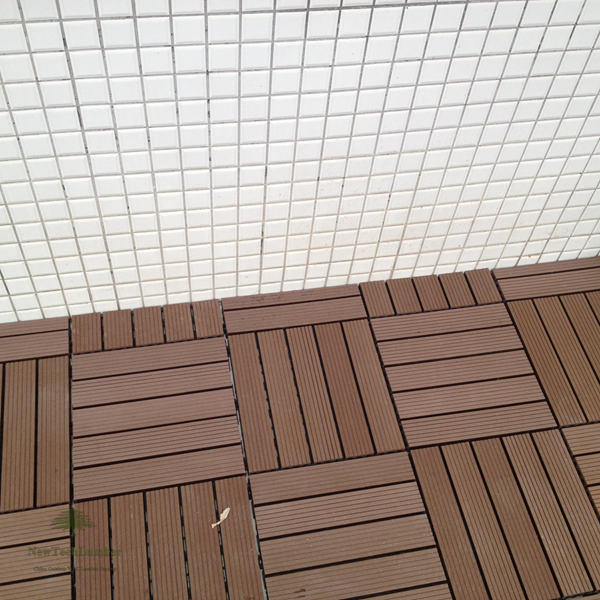
New WPC decking may also appear slightly different after outdoor exposure. Sunlight, humidity, and weather conditions gradually stabilise the surface colour. For export projects, we advise customers to inspect samples under outdoor lighting before confirming large orders. Clear communication between the WPC factory, sales team, designer, and installer helps prevent unrealistic expectations about colour consistency.
Repairing Scratches And Maintaining Composite Decking
Surface scratches usually result from dragging heavy furniture, metal equipment, or construction materials across the boards. Minor marks often become less visible after weather exposure, but deeper scratches may require professional repair methods depending on the decking profile and surface treatment. During installation, workers should protect finished areas with clean protective sheets and avoid placing sharp tools directly on the boards.
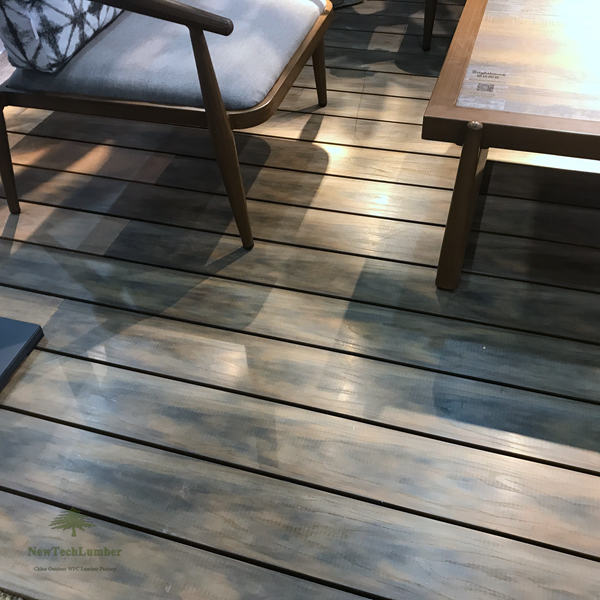
Maintenance requirements for composite decking are generally simple, but regular care improves long term appearance. Outdoor dirt, leaves, and stains should be removed with water and a soft brush. For areas with frequent use, such as restaurants, hotels, and public spaces, scheduled cleaning prevents dirt accumulation. Strong chemical cleaners, abrasive tools, and high pressure washing at unsafe settings can damage the surface finish and should be avoided.
Export Support For WPC Decking Projects And Long Term Performance
Overseas buyers need more than a product shipment. They need technical support that covers installation training, packaging protection, application advice, and after-sales service. As an outdoor WPC after-sales service engineer, I work with contractors, distributors, and project owners to identify the actual cause of problems before recommending solutions. Many complaints can be reduced through correct installation guidance before the first board is placed.
For international projects using composite decking over concrete without sleepers, selecting a reliable manufacturer with engineering support is essential. Export teams should provide clear installation manuals, dimensional information, maintenance instructions, and project-specific recommendations. With proper preparation, WPC decking can deliver a stable outdoor surface for residential and commercial applications while reducing repair costs and improving customer satisfaction.