
Capped vs uncapped composite decking Which is Right for Your Home
When considering the choice between capped and uncapped composite decking for your home, it is essential to understand their distinct characteristics, particularly from the perspective of installation and maintenance. Both options offer unique benefits and drawbacks, which can significantly affect your decision based on your specific needs and preferences.
Capped composite decking is engineered with a protective layer that encases the core material. This cap is typically made of polymer or PVC, providing a barrier against moisture, stains, and fading. This protective layer is designed to enhance the durability of the decking and prolong its lifespan. One of the primary advantages of capped composite decking is its resistance to water damage and mold growth, making it an ideal choice for areas with high humidity or exposure to rain.
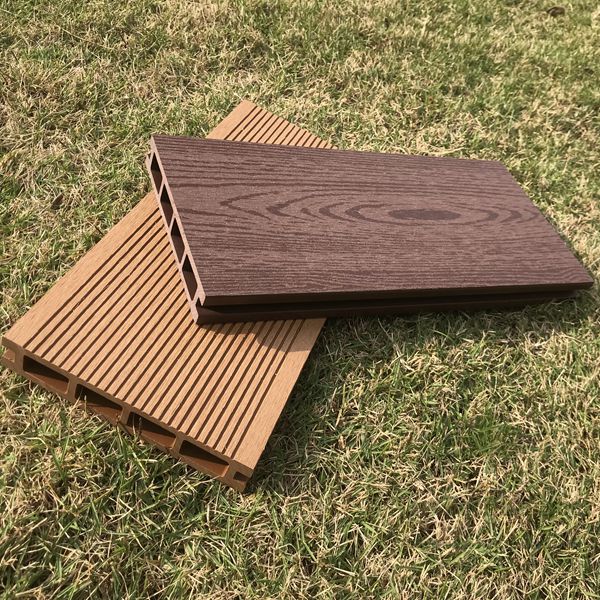
On the installation front, capped composite decking can be slightly more forgiving than uncapped options. The capped layer offers a smoother surface, which can make cutting and fitting the boards more manageable. Furthermore, many manufacturers provide hidden fastening systems that can be used with capped decking. These systems allow for a cleaner appearance, as screws or nails are hidden from view, resulting in a seamless look that many homeowners desire.
When it comes to maintenance, capped composite decking is relatively low-maintenance. The protective cap ensures that dirt, debris, and stains do not penetrate the material, allowing for easy cleaning with just soap and water. Additionally, the fade-resistant qualities of capped decking mean that it will maintain its color and appearance over time, reducing the need for frequent touch-ups or refinishing. Homeowners can enjoy their outdoor spaces without the hassle of extensive upkeep.
On the other hand, uncapped composite decking consists of composite materials that do not have the protective layer. While this option is often more affordable, it may require more diligence in terms of maintenance. Uncapped decking is more susceptible to moisture absorption, which can lead to issues such as warping, swelling, or mold growth if not properly cared for. Regular cleaning and sealing may be required to prolong its lifespan and keep it looking its best.
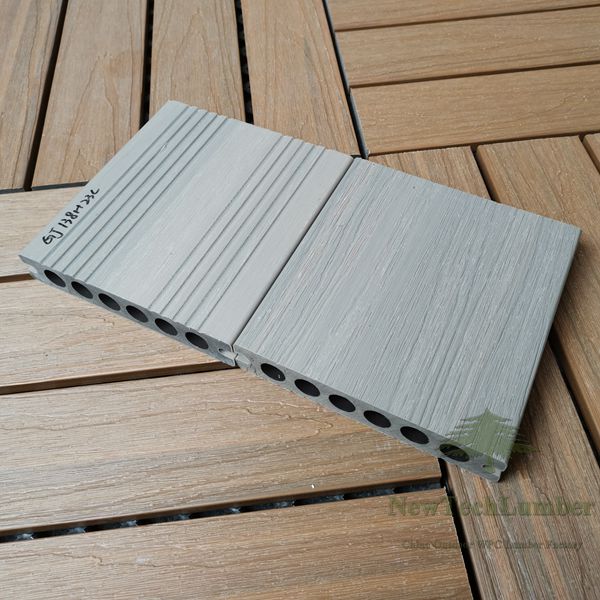
From an installation perspective, uncapped composite decking is generally straightforward to install. However, it may require additional care during the process. Uncapped boards can be more prone to chipping or damage during cutting and fitting, so using the appropriate tools and techniques is essential. Homeowners who are comfortable with DIY projects may find this option appealing, as it allows for a more hands-on approach to creating their outdoor space.
Maintenance for uncapped composite decking is more demanding. Regular cleaning is crucial to prevent dirt and grime from building up on the surface. It is also advisable to apply a protective sealant periodically to help guard against moisture and UV damage. While this added maintenance may seem like a drawback, many homeowners appreciate the potential cost savings associated with uncapped decking options.
When deciding which type of composite decking is right for your home, consider your climate and how much time you are willing to invest in maintenance. If you live in an area with high humidity or frequent rainfall, capped composite decking may be the better choice due to its superior moisture resistance. Additionally, if you prefer a low-maintenance option that will retain its appearance over time, capped decking is likely the more suitable option.
On the other hand, if you are looking for a budget-friendly choice and are prepared to invest time in regular maintenance, uncapped composite decking might meet your needs. It can provide a beautiful outdoor space without breaking the bank, especially if you are willing to put in the effort to keep it in good condition.
Ultimately, the choice between capped and uncapped composite decking comes down to your personal preferences, lifestyle, and budget. Both options have their merits, and understanding their differences will help you make an informed decision that aligns with your vision for your outdoor space. Take the time to weigh the pros and cons of each type, and consider consulting with professionals or experienced homeowners to gather insights into what might work best for your specific situation. By doing so, you can ensure that your choice of decking enhances the beauty and functionality of your home for years to come.