
Affordable Choices in Capped wpc decking for Your Outdoor Areas
When considering enhancements to outdoor spaces, capped wood plastic composite (WPC) decking emerges as an attractive and practical option. This innovative material combines the natural aesthetics of wood with the durability and low maintenance requirements of plastic, making it a suitable choice for many homeowners. The affordability of capped WPC decking is particularly appealing, allowing for various options that can complement any outdoor area.
The production process of capped WPC decking plays a vital role in its affordability and performance. Capped WPC is made by combining wood fibers, plastic polymers, and additional additives. The wood fibers often come from recycled wood products, which not only helps to reduce waste but also lowers material costs. The inclusion of recycled materials is a significant aspect of the sustainable nature of capped WPC decking. This eco-friendly approach not only makes the decking affordable but also aligns with the growing demand for sustainable building materials.
The process begins with sourcing the raw materials. The wood fibers used are typically sourced from sawmill scraps, wood shavings, or even recycled pallets. These materials are processed to ensure they are free from contaminants and are of a uniform size. The plastic component, which often includes high-density polyethylene or polyvinyl chloride, is sourced from recycled plastic products. This blend of recycled materials not only lowers production costs but also reduces the environmental impact associated with new plastic production.
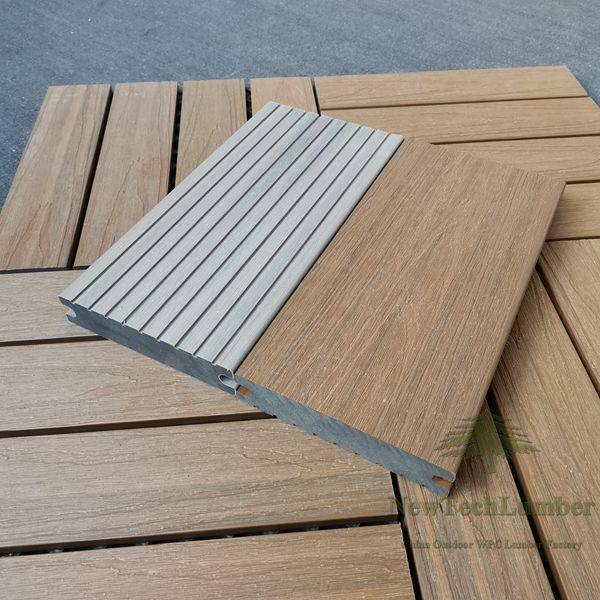
Once the raw materials are prepared, they undergo a blending process. This step is critical as it ensures a consistent mixture of wood fibers and plastic polymers. Additives such as UV stabilizers, colorants, and anti-fungal agents are also incorporated during this stage. These additives enhance the performance characteristics of the decking, ensuring it can withstand the rigors of outdoor use, including exposure to sunlight, moisture, and mold growth. The use of these additives is what sets capped WPC decking apart from its uncapped counterparts, providing a protective layer that increases longevity while keeping maintenance costs low.
The next stage involves the extrusion process, where the blended materials are heated and forced through a mold to create the desired shape and profile of the decking boards. This process allows for various designs and finishes, enabling manufacturers to offer a wide range of styles and colors that can meet diverse aesthetic preferences. The ability to produce customized profiles adds value to the product, making it more appealing to consumers who wish to create unique outdoor spaces.
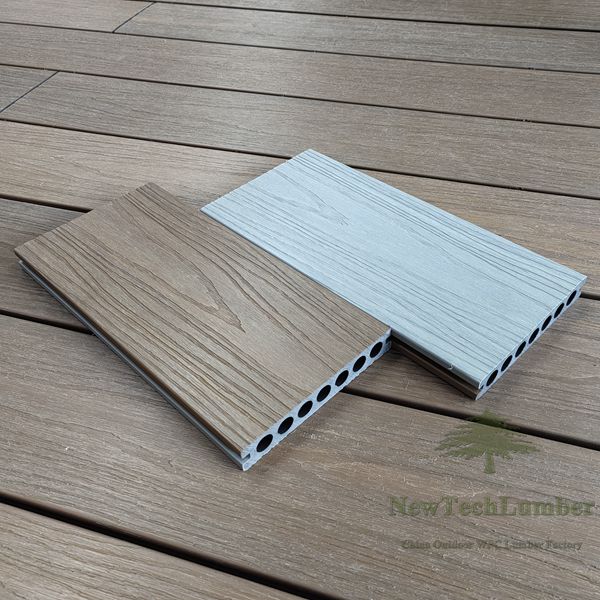
After extrusion, the capped WPC boards are cooled and cut to length. The capping layer, which is typically a thin layer of durable plastic, is applied to the surface of the boards. This layer provides additional protection against scratches, stains, and fading, enhancing the overall durability of the decking. The capping process is essential, as it forms a barrier that prevents moisture from penetrating the wood fibers, thereby reducing the risk of warping or splitting over time. This added durability translates into lower maintenance costs for homeowners, making capped WPC decking a more affordable long-term investment.
Once the boards are produced, they undergo a series of quality checks to ensure they meet industry standards. This step is crucial for maintaining the integrity of the product and ensuring that it will perform well in outdoor environments. Quality control measures include testing for weight, strength, and resistance to environmental factors. By adhering to strict quality standards, manufacturers can guarantee a product that not only looks good but also stands the test of time.
The affordability of capped WPC decking also stems from the efficient manufacturing processes that have been developed over the years. Advances in technology have allowed for more streamlined production methods, reducing labor costs and material waste. These efficiencies are often passed on to the consumer, making capped WPC decking a cost-effective choice for outdoor renovations.
In addition to its affordability, capped WPC decking offers several advantages that make it an appealing choice for outdoor areas. Its resistance to moisture and insects means that it does not require the same level of maintenance as traditional wood decking. Homeowners can enjoy their outdoor spaces without the constant worry of replacing boards or performing extensive upkeep. Furthermore, the aesthetic versatility of capped WPC means that it can replicate the look of natural wood while providing the durability of synthetic materials.
As homeowners seek affordable and sustainable options for enhancing their outdoor areas, capped WPC decking stands out as a practical choice. The combination of recycled materials, efficient manufacturing processes, and long-lasting performance makes it an attractive option. With a variety of styles and finishes available, capped WPC decking can elevate any outdoor space while remaining budget-friendly. This innovative material provides an opportunity to create beautiful and functional outdoor areas that cater to the needs of modern homeowners.