
Composite Decking Spacing for Structural Integrity
As an outdoor WPC product designer, the spacing of composite decking is an essential aspect that directly impacts the stability and longevity of deck structures. The recommended spacing between composite boards typically ranges from 5 to 6 millimetres. This allowance is not arbitrary; it accommodates thermal expansion and contraction that naturally occurs with changes in temperature. Proper spacing ensures that boards can expand without warping or buckling, which can lead to unsightly gaps or structural weaknesses. Additionally, this spacing facilitates effective water drainage, reducing the risk of moisture-related damage.
Moreover, maintaining the right composite decking spacing enhances aesthetics. Even spacing creates a uniform appearance, which is particularly important in modern outdoor designs where symmetry and precision are valued. By adhering to recommended spacing guidelines, designers can maintain the visual integrity of the deck while ensuring it performs well under various weather conditions.
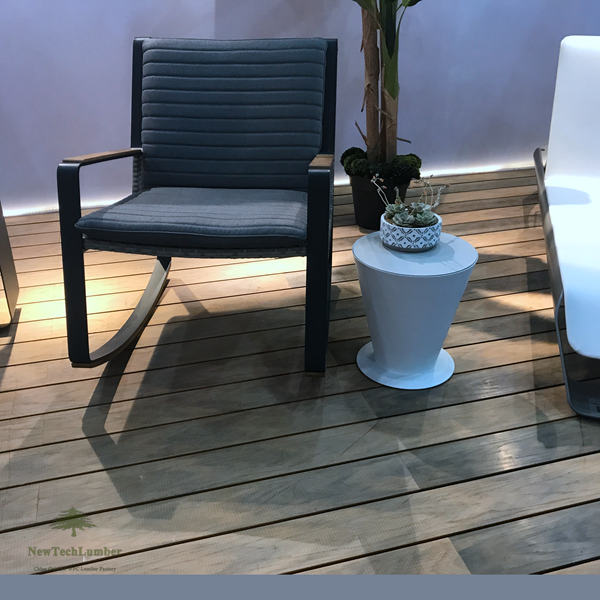
Trends in Composite Decking Design
Contemporary design trends for composite decking are increasingly focused on integrating natural aesthetics with innovative features. Textures that mimic the rich grains of natural wood are becoming prevalent, offering an organic feel without the maintenance drawbacks of traditional timber. Textured finishes not only enhance grip but also add to the overall tactile experience of the outdoor space.
In terms of colours, the palette for composite decking alternatives has expanded significantly. Designers are now opting for deeper, more muted tones that reflect the natural landscape, such as rich browns, greys, and even shades of green. These colours can harmonise beautifully with surrounding flora, creating a seamless flow between the built environment and nature. As an outdoor designer, selecting the right colour and texture can elevate the entire space, transforming a simple deck into a visually stunning and inviting area.
模块化设计与多功能性
Modular designs are gaining traction in composite decking applications, allowing for flexibility and creativity in outdoor spaces. This approach not only simplifies installation but also provides a unique opportunity for customisation. Designers can create varied layouts that cater to specific aesthetic preferences and functional needs, such as creating separate living areas within a larger deck or incorporating integrated seating solutions.
Additionally, modular components can be combined with other outdoor structures, such as wall panels and fences, to create a cohesive design language throughout the property. This versatility makes it easier to maintain a consistent aesthetic across various outdoor elements, enhancing the overall appeal of the space. The trend towards modularity reflects a greater demand for personalised outdoor experiences that cater to individual lifestyles and preferences.

Incorporating Composite Decking into Outdoor Living
The functionality of composite decking extends beyond mere aesthetics. The integration of composite materials into outdoor living spaces has become a pivotal aspect of modern architectural design. Features like built-in lighting and hidden storage compartments are being incorporated into deck designs, further enhancing usability. These elements not only improve the functionality of the space but also offer a sophisticated touch that aligns with contemporary design principles.
Moreover, composite decking can be harmoniously integrated with landscaping features such as pergolas and gazebos. These structures can offer shade and shelter, enhancing the usability of outdoor areas throughout various seasons. By harmonising materials and design elements, outdoor spaces can become an extension of the home, providing areas for relaxation and entertainment while remaining stylish and functional.
复合甲板质量保证
Furthermore, the application of advanced technology in the production of composite decking allows for enhanced performance characteristics. Understanding the specific needs of the intended environment can help in selecting the right composite materials that not only fulfil design aspirations but also withstand the rigours of outdoor living.