
Global Demand for Cedar-Look Composite Decking
The international outdoor building materials market is moving towards products that combine natural appearance with improved durability, creating strong demand for composite decking that looks like cedar. Buyers across North America, Europe, Australia, and emerging construction markets are seeking alternatives to traditional timber because of concerns about maintenance costs, weather resistance, and long-term availability of quality wood resources. Cedar remains popular because of its warm colour tones, fine grain patterns, and connection with outdoor living spaces, but composite materials now offer similar visual qualities with fewer performance limitations.
As a market research analyst focused on WPC applications, I have observed that suppliers with advanced surface embossing technology, stable colour systems, and reliable production standards are gaining more attention from international buyers. The same trend is expanding into WPC wall cladding, fencing, pergolas, and landscape products, where architects and contractors require materials that deliver consistent appearance across large projects. Suppliers capable of providing a complete outdoor product range are better positioned to support global demand.
Supplier Evaluation Factors for WPC Outdoor Products
Selecting a composite decking supplier requires analysis beyond product appearance. International buyers evaluate raw material quality control, production capacity, extrusion technology, and quality inspection procedures before establishing long-term partnerships. A reliable manufacturer should have clear control over wood fibre sourcing, polymer ratios, additives, and production temperatures because these factors directly influence board strength, moisture resistance, and colour stability.
For OEM customers and distributors, customisation capability is becoming increasingly important. A competitive WPC supplier should support customised profiles, surface textures, packaging solutions, and branding requirements. Outdoor product companies are also requesting coordinated systems that include decking boards, clips, wall panels, fences, pergolas, and accessories. This approach helps simplify purchasing decisions and allows regional businesses to create complete outdoor living solutions.
Technology Trends Shaping Composite Decking Production
Future growth in the composite decking sector will depend heavily on manufacturing innovation. Advanced extrusion lines, co extrusion protection layers, and realistic wood grain mould technology are changing customer expectations. Modern boards can reproduce cedar textures with improved resistance to fading, staining, cracking, and insect damage. These developments are particularly valuable in climates with intense sunlight, heavy rainfall, or seasonal temperature changes.
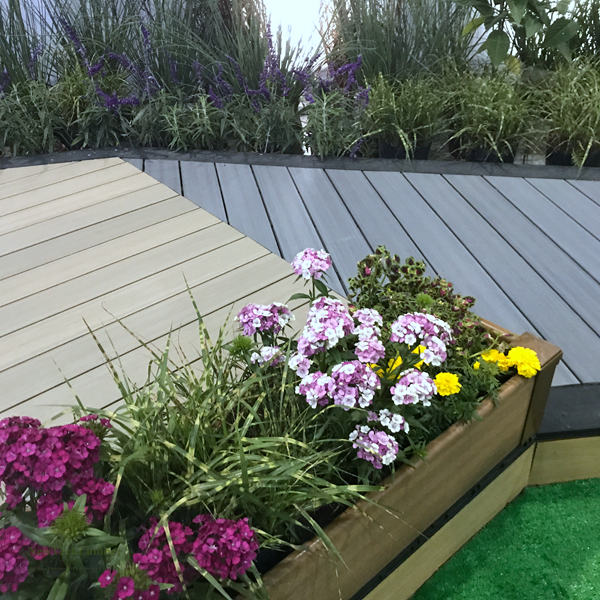
Sustainability is also influencing supplier selection. Construction professionals and government projects are increasingly interested in recycled materials, responsible production methods, and low maintenance building solutions. WPC manufacturers that invest in environmentally responsible processes can access more opportunities in sustainable building projects, landscape engineering, and commercial outdoor developments. International buyers are paying closer attention to factory practices as well as final product performance.
Market Opportunities Across Outdoor Construction Applications
The future market for WPC products extends beyond traditional decking installations. WPC wall cladding is gaining popularity for residential and commercial façades because it offers a timber appearance without regular painting or sealing. Fencing systems are also expanding as property owners look for privacy solutions with better durability than conventional wooden structures. Pergolas and landscape structures made from composite materials are becoming more common in hospitality projects, public spaces, and premium residential developments.
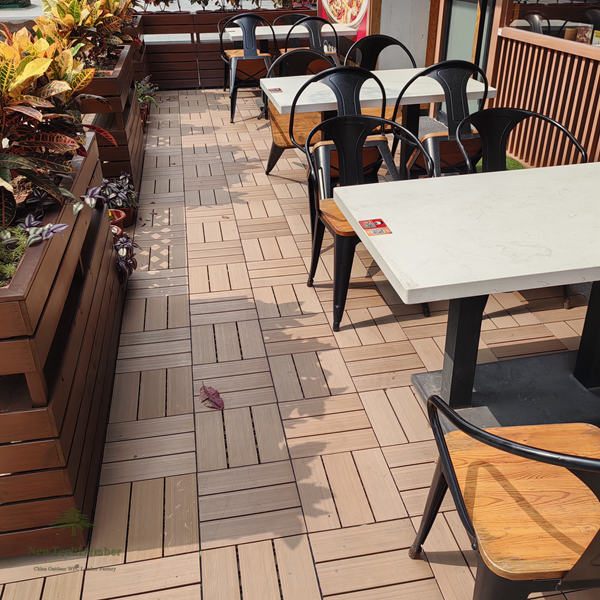
Regional differences create new opportunities for suppliers. European markets often focus on sustainable materials and refined architectural finishes, while North American buyers frequently prioritise outdoor lifestyle applications and product durability. Middle Eastern and Asian markets are showing increasing interest in weather resistant landscape products due to urban development and expanding outdoor spaces. Exporters with strong technical support and market knowledge can adapt their product ranges for different customer expectations.
Quality Management and Long Term Supplier Partnerships
Professional buyers, including quality inspection supervisors, production managers, and installation specialists, need suppliers that provide dependable technical information. Product testing data, installation guidance, warranty policies, and after sales support help reduce project risks. A factory that understands international standards can provide stronger cooperation with architects, contractors, and distributors.
For WPC factory owners and industry experts, building a reputation for consistency is essential. Global customers are not only purchasing composite boards; they are selecting a manufacturing partner that can support future product development. Investment in research, efficient production systems, and customer communication will remain key factors as competition increases in the outdoor building materials sector.
Future Direction of Cedar Style Composite Materials
The market outlook for cedar style composite products remains positive as construction industries continue searching for practical alternatives to natural timber. The combination of realistic wood aesthetics, reduced maintenance requirements, and sustainable material benefits creates opportunities for suppliers across residential, commercial, and landscape applications. Companies that understand design trends, regional requirements, and technical expectations will be prepared to serve a wider international customer base.
Future innovation is expected to focus on improved surface realism, expanded colour collections, recyclable formulations, and integrated outdoor systems. Suppliers that combine manufacturing expertise with market intelligence will have stronger potential to develop lasting relationships with global buyers seeking reliable composite decking and related WPC solutions.