
Global Shifts in Outdoor Composite Landscape Materials
The international outdoor building materials market is moving towards products that combine visual appeal, durability, and environmental responsibility. As an international market research analyst focusing on composite solutions, I have observed strong growth in demand for WPC wall cladding, composite decking, fencing systems, pergolas, and other landscape products across residential, commercial, and hospitality projects. Developers and designers are increasingly selecting materials that offer natural aesthetics without the maintenance challenges associated with traditional timber.
A wpc wall panel manufacturer is now expected to provide more than basic exterior panels. Global buyers are looking for advanced surface textures, stable colour performance, weather resistance, and flexible design options suitable for different architectural styles. Markets in Europe, North America, the Middle East, and Australia are showing increased interest in outdoor composite materials because they support long service life while reducing dependence on natural wood resources.
Modern Design Trends Driving WPC Wall Cladding Development
WPC wall cladding has become an important element in contemporary landscape design because it connects outdoor spaces with modern architectural concepts. Designers are using wood grain finishes, mixed colour combinations, and three dimensional surface patterns to create attractive garden walls, balconies, terraces, and commercial outdoor areas. The demand for personalised appearance has encouraged manufacturers to improve extrusion technology and develop wider ranges of profiles.
From a market perspective, future growth will depend on product innovation and manufacturing precision. A professional wpc wall panel manufacturer must focus on raw material quality control, formula development, and extrusion stability to achieve consistent performance. Advanced production methods allow companies to create panels with improved resistance against moisture, ultraviolet exposure, temperature changes, and daily outdoor wear. These technical improvements are helping WPC products compete with traditional materials in premium landscape projects.
Expansion Opportunities in Composite Decking, Fencing and Pergola Systems
Composite decking remains one of the strongest segments within outdoor building materials, particularly for private gardens, resorts, public walkways, and rooftop spaces. International buyers prefer decking solutions that require less maintenance than natural wood while maintaining a premium appearance. Similar trends are appearing in WPC fencing, where property developers seek privacy systems that match modern landscape designs and provide reliable outdoor performance.
Pergolas and outdoor shading structures are also gaining attention as homeowners and commercial operators invest in functional exterior living areas. Composite pergola components, combined with matching wall panels and decking surfaces, create complete landscape solutions from a single supply chain. For exporters and OEM suppliers, this creates opportunities to develop coordinated product collections rather than selling individual components.
Manufacturing Capabilities and Global Buyer Expectations
International customers increasingly evaluate suppliers based on technical expertise, production management, and quality assurance systems. WPC factories serving overseas markets need strong control over material sourcing, mould design, packaging methods, and inspection procedures. Consistency between production batches is especially important for large scale architectural projects where colour and profile accuracy must be maintained across thousands of square metres.
For architects, landscape consultants, and installation professionals, reliable technical support has become a key purchasing factor. Detailed installation guidance, project consultation, and after-sales service help reduce construction risks. Manufacturers that combine engineering knowledge with market awareness can build stronger relationships with distributors and project partners worldwide.
Future Market Opportunities for Sustainable Landscape Solutions
Sustainability will continue shaping the development direction of outdoor composite products. Governments, architects, and construction companies are placing greater emphasis on materials that support resource efficiency and longer replacement cycles. WPC products made from recycled polymers and wood fibres are positioned to benefit from this movement, especially in markets where green building standards influence material selection.
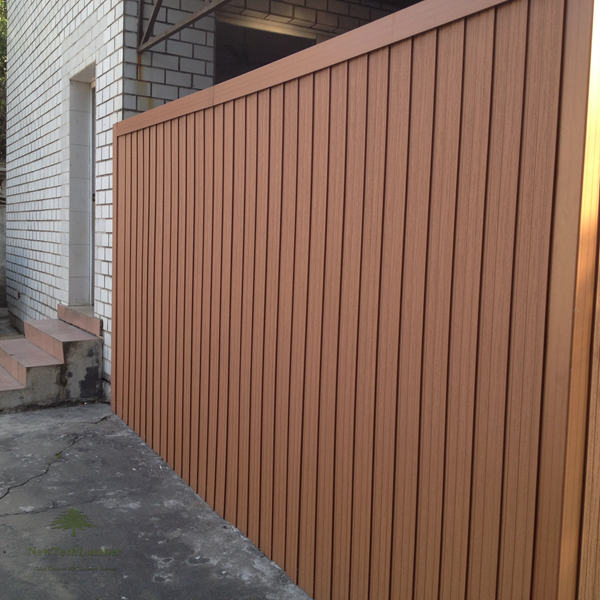
Future opportunities will also come from customisation. International clients increasingly request specific colours, dimensions, textures, and packaging solutions for regional preferences. A wpc wall panel manufacturer with strong OEM capabilities can respond to these needs by combining flexible production systems with accurate market research. This approach allows suppliers to serve diverse applications, from residential landscaping to large commercial developments.
Changing Landscape Design Standards Across International Markets
The next stage of outdoor design will focus on integrated environments where walls, floors, fences, and structures work together as one visual system. Composite materials are supporting this trend by offering coordinated finishes and practical performance across multiple applications. Companies that monitor regional design preferences, construction requirements, and environmental policies will be better positioned to develop products that meet international expectations.
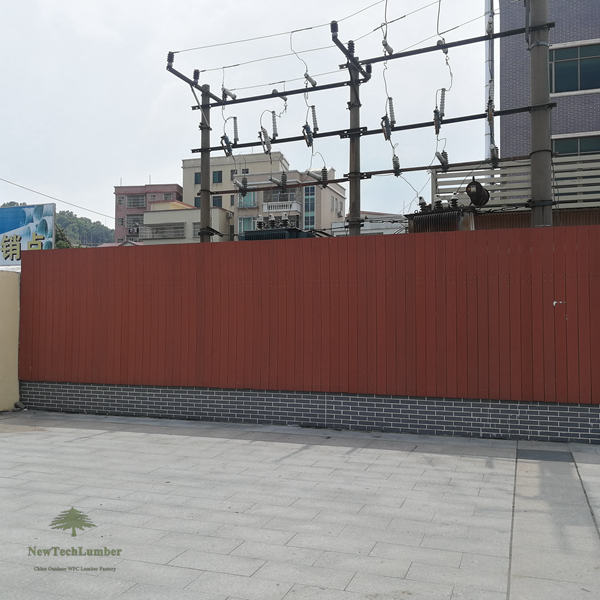
For the global WPC industry, innovation in material technology, production efficiency, and design flexibility will define future competitiveness. Manufacturers that understand the needs of architects, engineers, installers, and property developers can create outdoor solutions that reflect changing lifestyles and expanding demand for sustainable spaces.