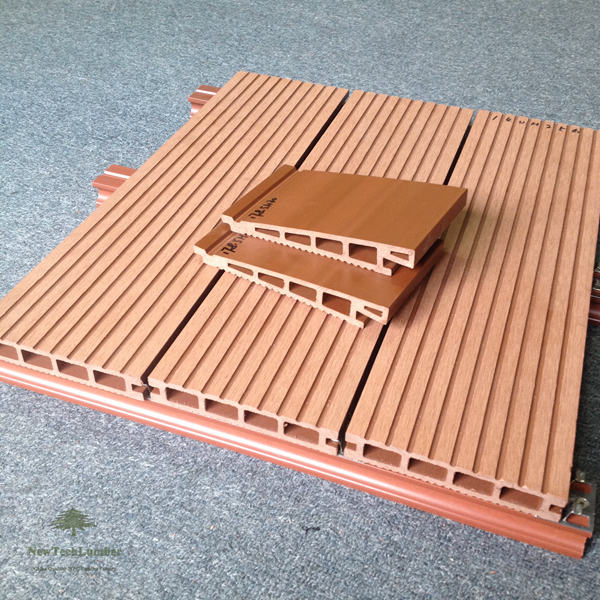
The Rise of WPC Cladding
WPC cladding has emerged as a popular choice for modern exterior wall applications. This innovative material, composed of wood fibres and plastic, offers an ideal solution for homeowners and builders seeking both aesthetic appeal and practicality. As urban spaces evolve, the demand for durable and sustainable building materials increases, making WPC cladding a prime candidate for contemporary architecture.
One of the most significant advantages of WPC cladding is its low maintenance requirements. Traditional wood cladding can suffer from rot, warping, and insect damage, necessitating regular upkeep such as painting or staining. In contrast, WPC cladding is engineered to withstand the elements without the need for constant care. This makes it particularly appealing to busy professionals and families who prefer a beautiful exterior without the ongoing responsibilities associated with traditional materials.
Durability and Longevity
The longevity of WPC cladding is another crucial factor that contributes to its growing popularity. Unlike conventional wood, which may need replacement every few years, WPC cladding is designed to endure the rigours of weather exposure. It is resistant to fading, cracking, and splintering, ensuring that the exterior of a building retains its visual appeal over time. This durability translates to cost savings in the long run, as property owners invest less in repairs and replacements.
Furthermore, WPC cladding is impervious to moisture, dramatically reducing the risk of mould and mildew growth. This feature not only enhances the material’s lifespan but also improves the overall health of the building environment. For those in regions prone to heavy rainfall or humidity, WPC cladding presents a compelling alternative to traditional wood products.
Eco-Friendly Construction
In addition to utilising recycled materials, WPC cladding does not require toxic chemicals commonly used in the treatment and maintenance of wood, such as preservatives and paints. This aspect further enhances its appeal for those looking to create healthier living spaces.
Versatility in Design
WPC cladding is celebrated not just for its functional attributes but also for its versatility in design. Available in a variety of colours, finishes, and textures, WPC allows architects and designers to achieve their creative visions without compromising on quality. Whether aiming for a sleek modern aesthetic or a more rustic charm, WPC cladding can adapt to various styles.
Moreover, it can be cut, shaped, and installed much like traditional wood, providing an ease of use that appeals to contractors and DIY enthusiasts alike. This flexibility means that WPC cladding can be employed in numerous applications, from residential homes to commercial buildings, enhancing external facades in countless ways.
Cost-Effectiveness
In an era where value for money is paramount, WPC cladding proves to be a cost-effective solution for exterior wall applications. While the initial investment may be slightly higher than traditional wood, the long-term savings associated with reduced maintenance and extended lifespan make WPC an economical choice. Property owners can save significantly on ongoing maintenance costs, which adds to the overall value of their investment.
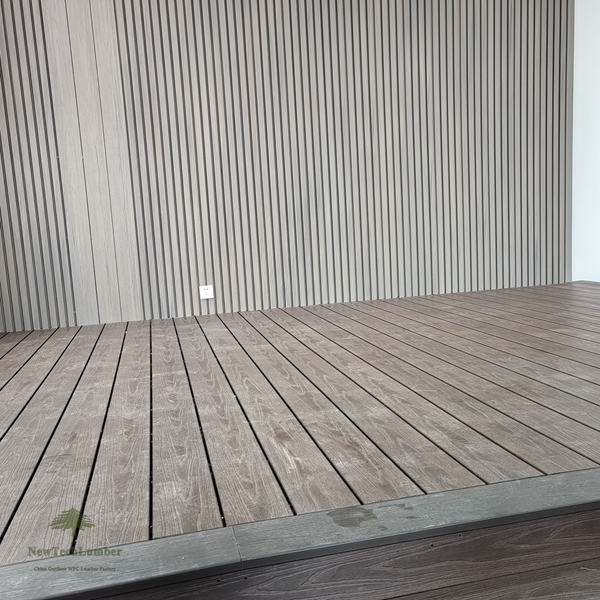
Additionally, the ease of installation associated with WPC cladding can shorten project timelines, further enhancing its cost-effectiveness. Builders can often complete projects more quickly, allowing for faster returns on investment in both residential and commercial developments.
WPC cladding stands out as a smart choice for modern exterior wall applications, combining low maintenance, durability, eco-friendliness, and design versatility. Its ability to withstand various weather conditions while maintaining aesthetic appeal makes it an increasingly popular option among builders and homeowners alike. As the construction industry continues to seek innovative solutions to meet the demands of contemporary living, WPC cladding is poised to play a significant role in the future of sustainable building practices.