
Understanding Wood Plastic Composite Decking
Wood plastic composite decking is an innovative material that combines the natural aesthetic of wood with the durability of synthetic materials. This combination results in a product that not only looks appealing but also withstands the rigours of various environmental conditions. Homeowners and commercial property managers alike are increasingly turning to WPC decking as a reliable alternative to traditional wood, thanks to its resistance to fading, cracking, and warping.
One of the most significant advantages of wood plastic composite decking is its ability to resist moisture. Unlike natural wood, which can swell and rot when exposed to water, WPC decking is engineered to repel moisture, making it ideal for areas prone to rain or humidity. This feature not only extends the lifespan of the decking but also reduces maintenance costs, as there is less need for regular sealing or staining.
Durability Against the Elements
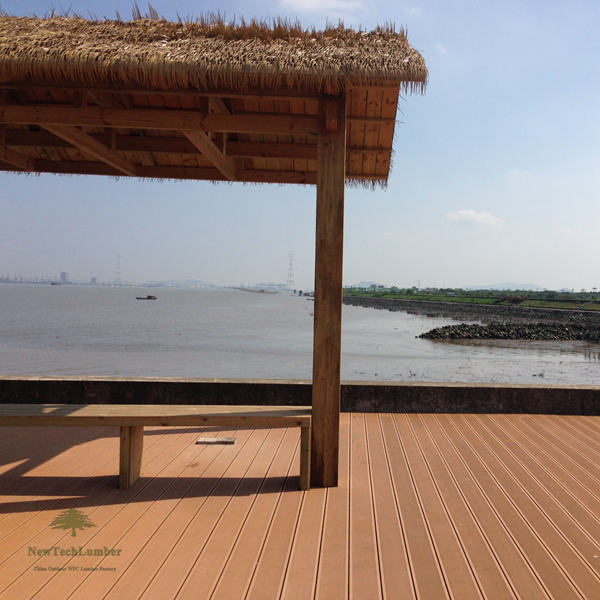
Durability is a key consideration for both residential and commercial applications, and wood plastic composite decking excels in this area. Its resistance to harsh weather conditions such as UV rays, rain, and extreme temperatures is unparalleled. Natural wood can suffer from sun damage, leading to discolouration and brittleness over time. In contrast, WPC decking retains its colour and structural integrity, ensuring that it remains an attractive and functional choice for outdoor spaces.
Moreover, WPC decking is resistant to pests such as termites and other wood-boring insects. This factor greatly reduces the risk of infestations that can compromise the structural integrity of natural wood. As a result, property owners can enjoy peace of mind knowing that their investment is well protected from one of the most common threats to wooden structures.
Slip Resistance and Safety Features
Safety is a paramount concern for any outdoor area, particularly those frequented by children or elderly individuals. Wood plastic composite decking is designed with slip resistance in mind. Many manufacturers incorporate surface textures that enhance grip, reducing the likelihood of slips and falls, especially in wet conditions. This feature makes WPC an ideal choice for poolside decking or areas exposed to weather elements where moisture accumulation can occur.
In comparison, natural wood can become slick and dangerously slippery when wet, often requiring additional treatments to improve safety. With WPC decking, property owners can confidently host gatherings or events without worrying about the safety risks associated with traditional wooden surfaces.
Maintenance and Longevity
One of the standout features of wood plastic composite decking is its low maintenance requirements. Traditional wood surfaces often necessitate regular upkeep, including sanding, staining, and sealing to maintain their appearance and performance. Conversely, WPC decking can typically be cleaned with soap and water, making it a convenient choice for those who prefer to spend their time enjoying their outdoor spaces rather than maintaining them.
Additionally, the longevity of WPC decking is a significant selling point. With proper installation and care, wood plastic composite decking can last for decades, outlasting many natural wood options. This longevity makes it a cost-effective choice for both residential and commercial applications, as the initial investment pays off over time with minimal replacement or repair needs.
Environmental Considerations and Sustainability
As consumers become more environmentally conscious, wood plastic composite decking offers an appealing solution. Many WPC products are made from recycled materials, including plastic waste and reclaimed wood fibres. This not only helps reduce landfill waste but also conserves natural resources by decreasing the demand for new timber. Furthermore, the production processes for WPC decking generally have a lower environmental impact compared to traditional wood, aligning with sustainable building practices.
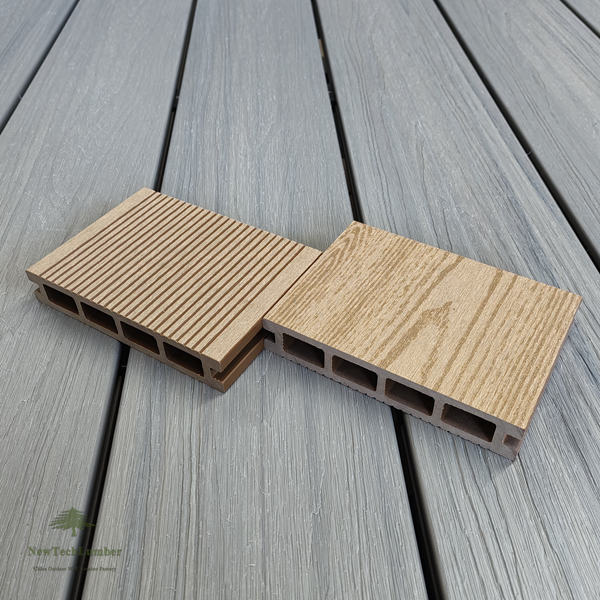
Choosing wood plastic composite decking supports a more sustainable approach to construction and renovation. By opting for WPC, property owners are making a conscious decision to invest in materials that are not only durable and aesthetically pleasing but also environmentally responsible.