
Preparation for Composite Decking Installation
The installation of composite decking grey requires meticulous planning and preparation to ensure a long-lasting and aesthetically pleasing result. Begin by carefully assessing the area where the decking will be installed. Ensure that the ground is level and free from debris, as this will provide a stable foundation for your subframe. Once the area is cleared, you will need to construct a subframe using pressure-treated timber or metal framing. This subframe is essential as it supports the decking boards and allows for proper drainage.
It is advisable to create a design layout before starting the installation process. Mark the positions of the joists on the surface beneath where the decking will be laid. The joists should be spaced no more than 400mm apart to provide adequate support for the composite decking. Additionally, ensure that the subframe is raised slightly above the ground to prevent moisture accumulation which could lead to structural damage over time.

Fixing Methods for Composite Decking
Once the subframe is ready, it is time to install the composite decking grey boards. The fixing method plays a significant role in the durability and appearance of the deck. You can choose between hidden fasteners and mechanical fasteners. Hidden fasteners provide a cleaner look as they are attached to the sides of the boards and are not visible from the top. This method is perfect for achieving a seamless and sleek finish.
If you opt for mechanical fasteners, ensure they are corrosion-resistant to prolong the life of the deck. Whichever method you choose, it is crucial to leave expansion gaps between the boards to allow for natural expansion and contraction caused by temperature changes. A typical gap of approximately 5mm should suffice, but check the manufacturer’s guidelines for your specific decking product.
Cutting Composite Decking Boards
Cutting the composite decking grey boards may seem straightforward, yet it requires attention to detail to ensure clean edges and a perfect fit. Utilise a fine-toothed saw or a circular saw with a suitable blade to prevent chipping and splintering. Measure each section carefully before making any cuts, as accuracy is paramount. Always ensure that you cut the boards with the decorative side facing down to avoid any visible imperfections.
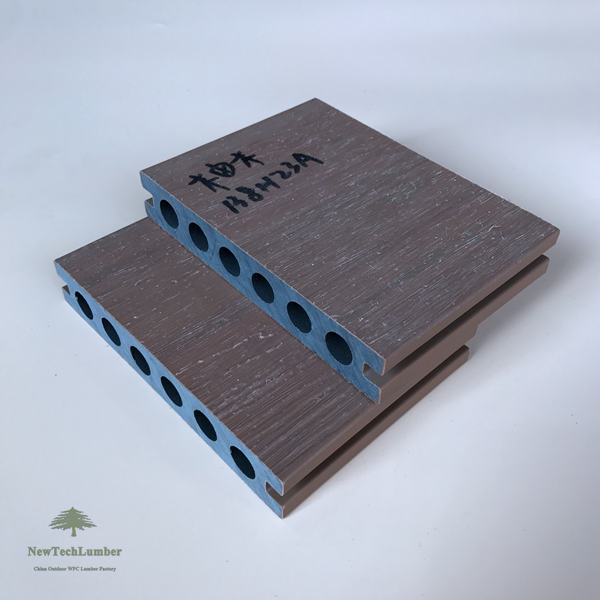
After cutting, it is advisable to sand the edges lightly to eliminate any sharp points or burrs that may cause injury during installation. When placing the boards, stagger the joints to enhance the structural integrity of the decking while also creating a visually appealing pattern. This technique prevents any potential weak points and distributes weight evenly across the deck surface.
Maintenance Tips for Composite Decking
It is also wise to inspect your decking periodically for any signs of wear or damage. Pay close attention to the areas around fasteners, as these can become loose over time. Any loose boards should be resecured promptly to prevent accidents. If your decking is exposed to heavy rainfall or snow, make sure to clear away any excess water or snow to prevent mildew or algae build-up.
Installation of Wall Cladding Systems
In addition to decking, composite materials are also highly effective for wall cladding systems. The installation process is similar to that of decking, beginning with a sound subframe. Vertical battens should be fixed to the wall structure, spaced according to the specifications of the cladding material. When installing composite wall cladding, it is critical to ensure that there is appropriate ventilation behind the boards to prevent moisture build-up.
As with decking, use a suitable fastening method that allows for expansion and contraction. This could involve hidden fasteners or clips designed specifically for wall applications. It is essential to follow the manufacturer’s guidelines for installation to achieve the best results and longevity from your wall cladding system. Regular cleaning and inspection will also keep the cladding looking fresh and well-maintained over the years.
Final Touches and Aesthetic Enhancements
Finally, consider applying a protective sealant specifically designed for composite materials. This can help resist stains and fading from UV exposure, ensuring that your decking remains looking its best for many years. Regular maintenance, coupled with these enhancements, will ensure that your outdoor space remains a stunning retreat for gatherings and relaxation.