
WPC Panel HS Code Essentials
The Harmonized System (HS) code for wood plastic composite (WPC) panels plays a significant role in international trade, especially for manufacturers and exporters. This system provides a standardized numerical method of classifying traded products, ensuring smooth customs clearance and compliance with international regulations. For WPC panels, the HS code typically falls under category 44, which deals with wood and articles of wood.
Understanding the specific HS code for WPC panels is crucial for OEM customization specialists like myself. When exporting or importing, accurate classification ensures that products are properly assessed for duties, tariffs, and import regulations. The specific code can vary slightly depending on the composition and intended use of the WPC panels, particularly when mixed with other materials. Clarity on this subject facilitates smoother transactions and helps avoid unnecessary charges.
Customisation of WPC Panels for Global Markets
One of the primary advantages of working with a WPC factory as an OEM customization specialist is the ability to tailor products precisely according to customer specifications. Different markets have varying demands for profile dimensions, surface textures, and colours. For example, European customers may prefer lighter tones and smooth finishes, while North American clients often favour darker shades with wood-like textures. This level of customisation not only meets aesthetic preferences but also aligns with local building regulations and standards.
Customisation extends beyond the visual aspects. Manufacturers can adjust the dimensions of WPC panels to cater to unique construction requirements and installation processes. This flexibility is vital for clients seeking to integrate WPC panels into specific design frameworks, such as decking or wall cladding. By offering bespoke solutions, manufacturers enhance customer satisfaction and build long-lasting partnerships in various international markets.
Unique Surface Textures and Finishes
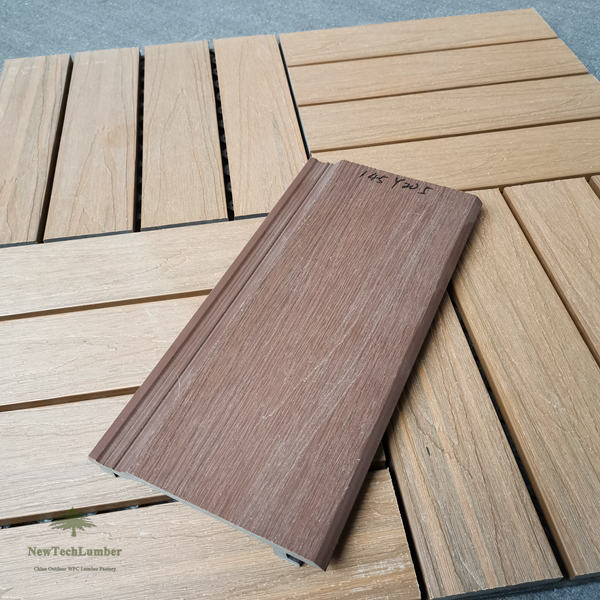
WPC panels can be manufactured with a variety of surface textures that enhance both functionality and appearance. Textures can range from smooth finishes to more pronounced grains that mimic natural wood. These variations appeal to different segments of the market, such as residential, commercial, and industrial applications. As an OEM specialist, I understand that offering these custom textures can significantly influence purchasing decisions, particularly in design-oriented markets.
In addition to texture, the finish of WPC panels is another important consideration. Manufacturers can apply coatings that improve durability, UV resistance, and colour retention. For instance, in regions prone to harsh weather conditions, a textured, UV-resistant finish could be particularly appealing. This attention to detail not only enhances the product’s performance but also ensures that it meets the specific environmental challenges of various regions.
Packaging and Branding Solutions
Effective packaging is essential for ensuring that WPC panels arrive at their destination in perfect condition. Custom packaging solutions not only protect the panels during transit but also serve as an opportunity for branding. Companies can utilise unique packaging designs that reflect their brand identity, incorporating logos and colour schemes that resonate with target markets.
Special Applications of WPC Panels
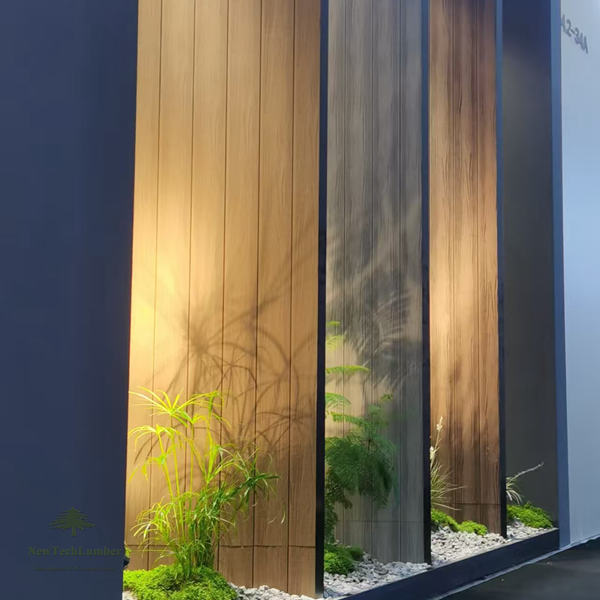
The versatility of WPC panels allows them to be used in a variety of applications beyond standard construction. For example, they are increasingly popular in creating outdoor living spaces, such as decks, patios, and fencing. Furthermore, WPC panels can be employed in acoustic applications, offering sound dampening benefits that make them ideal for urban environments.