
Defining Composite Decking and Its Applications
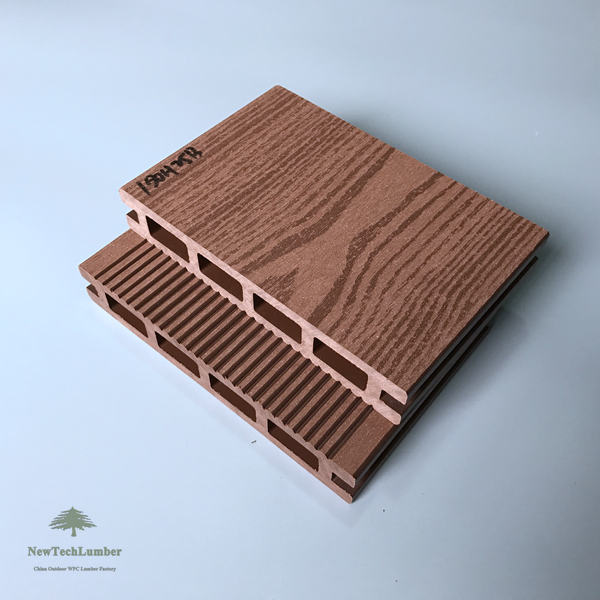
Composite decking refers to a material made from a blend of wood fibres and plastic, which offers a durable and versatile option for outdoor applications. This combination not only enhances its longevity but also improves its resistance to the elements, making it an attractive alternative to traditional timber decking. As outdoor living spaces become increasingly popular, the demand for composite decking has surged, leading to innovations in design and functionality. It is essential to understand that while the term ‘composite decking’ is widely used, it applies to a variety of products that serve different purposes in outdoor settings.
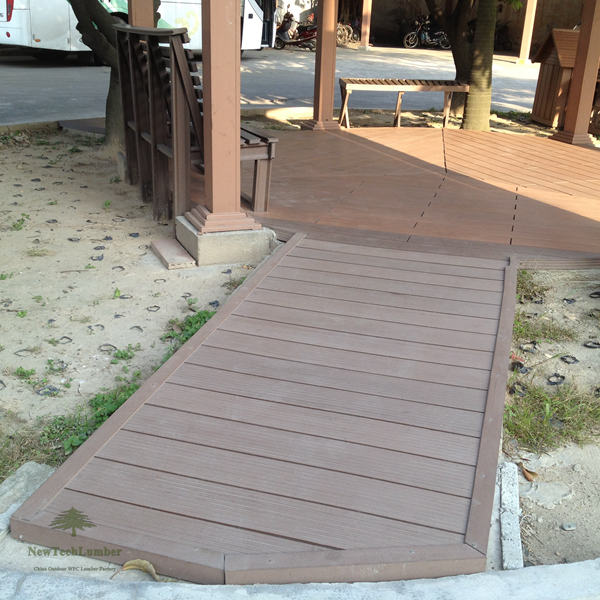
The composite decking name often encompasses various products beyond just decking boards, including WPC (Wood Plastic Composite) wall cladding, fencing, pergolas, and even landscape materials. Each of these applications contributes to creating functional and aesthetically pleasing outdoor environments, showcasing the versatility of composite materials.
Trends in Composite Decking
Recent trends indicate a significant shift towards sustainable building materials in the construction and landscaping industries. The growing awareness of environmental issues has led consumers to favour products that are eco-friendly and sustainable. Composite decking, especially those made from recycled materials, aligns perfectly with this trend. Manufacturers are increasingly focusing on creating greener products, appealing to both environmentally conscious homeowners and commercial developers.
Moreover, the aesthetic appeal of composite decking has also evolved. The industry is witnessing a move towards more natural finishes and colours, enhancing the visual integration of composite materials within gardens and outdoor spaces. This trend reflects an increasing demand for products that not only perform well but also complement the surrounding environment.
The Role of WPC in Outdoor Applications
WPC materials have carved a niche for themselves in various segments of outdoor construction. WPC wall cladding, for example, provides an attractive and weather-resistant option for enhancing the exterior of buildings. This product helps to reduce maintenance costs associated with traditional wood cladding, making it a popular choice for both residential and commercial projects.
Fencing and pergolas made from WPC are also gaining traction. They offer the benefit of low maintenance while providing the structural integrity required for outdoor applications. As landscape architecture evolves, the integration of WPC into designs not only adds functionality but also enhances the overall aesthetic appeal of outdoor spaces.
Market Opportunities in Composite Materials
As an international market research analyst, it is crucial to identify emerging opportunities within the composite decking market. One of the most promising areas is the growth of outdoor living spaces, which has been accelerated by changing consumer lifestyles. With more homeowners looking to extend their living areas outdoors, the demand for composite decking and related products is set to expand.
Additionally, the rise of urban gardening and decorative landscaping presents new avenues for composite materials. Products such as planters, outdoor furniture, and decorative screens made from composite materials are becoming increasingly popular. This shift suggests that there is considerable potential for manufacturers and suppliers to innovate and expand their product lines to meet evolving consumer needs.
Challenges and Competitive Landscape
Despite its growing popularity, the composite decking market does face challenges. The perception of composite materials as less durable compared to traditional wood can hinder market growth. To counteract this, manufacturers must focus on educating consumers about the long-term benefits of composite products, including their durability, low maintenance, and environmental advantages.
Competition within the industry is also intensifying, with numerous players vying for market share. Companies must differentiate themselves through innovative designs, superior product quality, and effective marketing strategies. Emphasising unique selling points, such as customisation options and sustainability credentials, will be essential for success in this competitive landscape.
The Future of Composite Decking
The future of composite decking and related outdoor materials appears bright, driven by a confluence of trends in sustainability and design innovation. As technology advances, the quality and performance of composite materials will continue to improve, further solidifying their place in the outdoor construction market. The development of new formulations that enhance durability and visual appeal will enable manufacturers to meet the demands of consumers seeking high-performance products.
Global market dynamics also suggest that regions with increasing urbanisation and a focus on sustainable living will drive the demand for composite decking. Countries that are promoting green building initiatives will likely witness higher adoption rates of eco-friendly materials. As such, manufacturers should consider targeting these markets for future growth opportunities.