
The Importance of Composite Decking Density
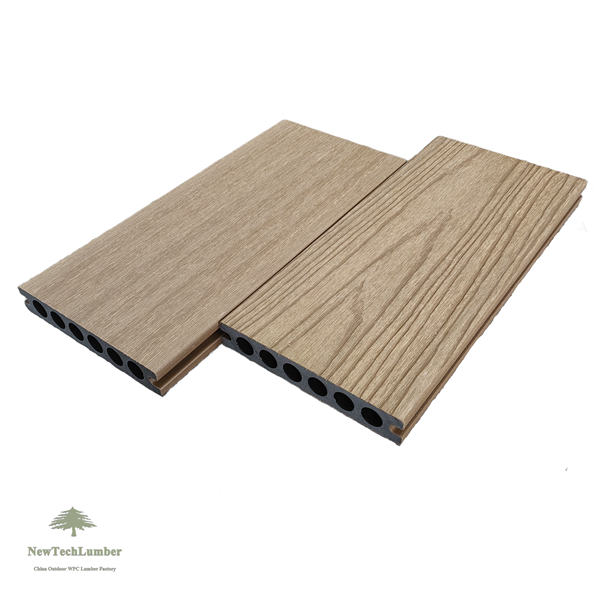
The density of composite decking is a significant factor influencing its overall quality and performance. This density is typically determined by the materials used in the composite formulation, which usually includes wood fibres and plastic thermoplastics. A higher density often indicates a stronger and more durable product that can withstand the rigours of outdoor usage. In the context of export packaging solutions for composite decking, understanding this density is critical. It not only impacts the durability of the decking boards during transportation but also plays a pivotal role in how these materials are packaged and protected against potential damage.
When factories design packaging for composite decking, they must consider the inherent characteristics of the product. The weight of dense composite materials can pose a challenge during loading and unloading, requiring robust packaging solutions that can withstand the pressures of handling and transit. Lightweight materials may not offer the same level of protection, thus emphasising the importance of density in ensuring that decking boards arrive at their destination undamaged.

Export Packaging Solutions for Composite Decking
Effective export packaging solutions are essential for protecting composite decking during long-distance ocean transportation. The packaging must serve multiple functions, including safeguarding the product from moisture, physical impacts, and UV exposure. Given the density of composite decking, packaging engineers often opt for sturdy containers made from materials such as corrugated cardboard or wooden crates that can hold the weight without compromising structural integrity.
Moreover, cushioning materials such as foam inserts or air-filled bags can be incorporated to absorb shocks and prevent movement within the package. The aim is to create a protective barrier that mitigates the risk of scratches, dents, or other forms of damage that could arise during transit. By considering the density of the decking, engineers can tailor the packaging to provide optimal protection, ensuring that the composite materials remain intact from the factory to the end-user.
Balancing Density and Packaging Weight
While density contributes to the strength and durability of composite decking, it also affects the overall weight of the packaged product. Packaging engineers must strike a balance between providing adequate protection and keeping shipping costs manageable. Heavier packages may incur higher shipping fees, making it essential to optimise packaging design without sacrificing safety.
One effective strategy is to evaluate the packaging materials themselves. Lightweight but durable options, such as high-strength corrugated cardboard, can replace heavier alternatives without compromising the strength of the packaging. By tailoring the packaging to the specific density of the composite decking, factories can reduce weight while ensuring that each board is well-protected during its journey across oceans.
The Role of Testing in Packaging Design
Testing plays an integral role in the development of export packaging solutions for composite decking. Engineers often conduct simulations and physical tests to assess how different packaging designs perform under various conditions. These tests help ensure that the packaging can withstand the density of the decking without compromising its integrity.
During testing, factors such as stacking strength, vibration resistance, and impact absorption are evaluated. By understanding how the dense composite boards react in different scenarios, engineers can refine their packaging designs to enhance protection. This iterative process not only improves the quality of packaging but also contributes to the overall satisfaction of end-users who depend on the durability of the product.
Environmental Considerations in Packaging Design
Furthermore, the density of composite decking can influence the selection of sustainable materials. Engineers may choose materials that offer sufficient protection while also being lightweight and environmentally friendly. By innovating in this area, factories not only improve their export packaging solutions but also contribute to a more sustainable manufacturing process.