
Applications of WPC Wall Panels
WPC wall panels, known for their durability and aesthetic appeal, have a diverse range of applications that extend well beyond traditional indoor settings. Increasingly, these materials are being recognised for their potential in outdoor environments, where their resistance to moisture and UV radiation makes them an ideal choice. Residential gardens can benefit significantly from WPC wall panels, serving not only as decorative elements but also providing functional barriers that enhance privacy and delineate spaces. Gardeners and homeowners often favour these panels to create visually appealing vertical gardens, which can transform an ordinary space into a vibrant sanctuary.
Commercial landscapes are another domain where WPC wall panels shine. Businesses such as hotels and resorts are adopting these materials for their external facades, ensuring that their properties remain inviting while withstanding the elements. The elegant finish of WPC can elevate the image of any establishment, attracting customers and enhancing brand reputation. Parks and public facilities, too, can integrate WPC wall panels into their designs, creating engaging environments that are both sustainable and aesthetically appealing.
Versatile Usage in Different Settings
WPC wall panels are particularly advantageous in areas prone to high humidity, such as swimming pool surroundings and balconies. They offer a slip-resistant surface, contributing to safety while complementing the overall design of the area. The lightweight nature of WPC makes it easier to install in complicated architectural designs, which is especially beneficial in urban settings where space is at a premium. Furthermore, these panels can be painted or stained to match existing themes, providing flexibility in design that is often lacking with traditional materials.
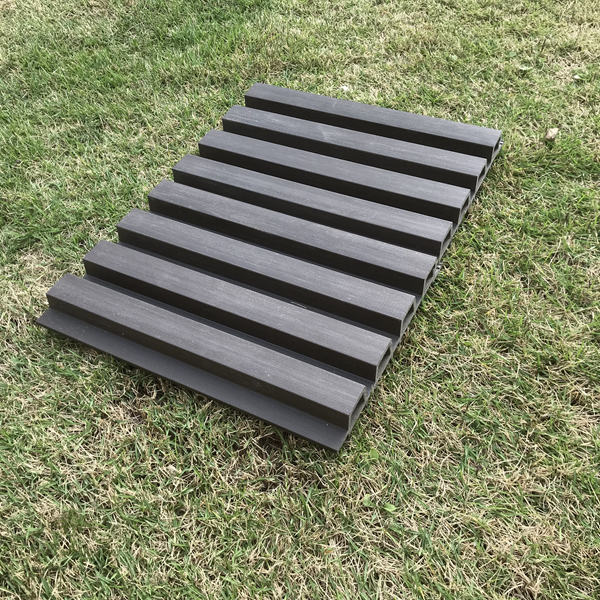
When it comes to outdoor landscaping, WPC wall panels can be used to create unique features such as decorative partitions, planters, and feature walls. Their versatility allows landscape architects to push the boundaries of creativity, utilising these panels as both functional and decorative elements. For instance, in a public park, WPC panels can serve as attractive backdrops for events or as functional signage that enhances visitor experience.
Installation Considerations for WPC Wall Panels
Proper installation is key to achieving the full benefits of WPC wall panels in outdoor settings. It is essential to ensure that the panels are raised off the ground to prevent moisture absorption, which can lead to deterioration over time. Additionally, careful consideration should be given to the type of fasteners used; stainless steel or coated options are advisable to prevent rust and ensure longevity. When planning installations, it is also critical to comply with local building regulations and international export requirements, particularly concerning the hs code wpc wall panel for smooth customs processing.
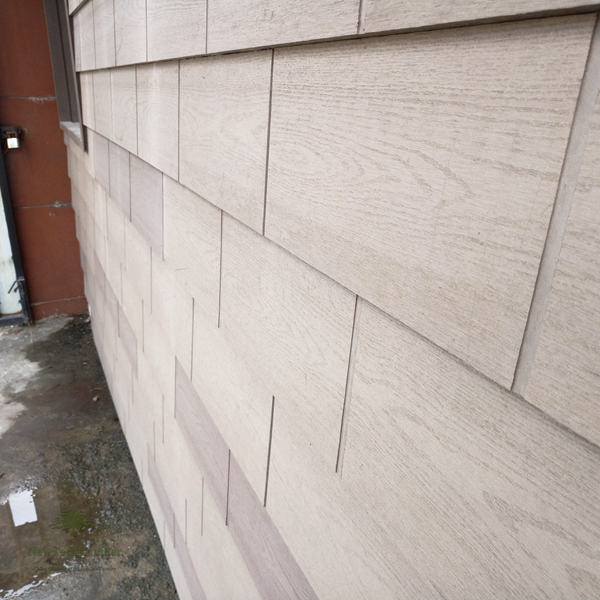
WPC panels are designed to be easy to maintain, requiring minimal effort to keep them in optimum condition. While they are resistant to fading and staining, regular cleaning with mild soap and water will help maintain their aesthetic appeal. In areas exposed to intense weather, a periodic inspection for any signs of wear can prolong the lifespan of the installation.
Environmental Benefits of WPC Wall Panels
The eco-friendliness of WPC wall panels is a significant advantage that appeals to environmentally conscious consumers and businesses alike. Made from a combination of recycled wood fibres and plastic, WPC is a sustainable alternative to conventional building materials. Its production process generates fewer carbon emissions, making it a smart choice for those looking to reduce their environmental footprint. Furthermore, WPC’s durability means that fewer resources are required for replacements over time.
Using WPC wall panels in outdoor settings can also contribute to energy efficiency. By incorporating these panels into the design of buildings, it is possible to improve insulation, thereby reducing heating and cooling costs. This not only benefits the environment but also provides a cost-effective solution for property owners.