
Defining Faux Wood Flooring
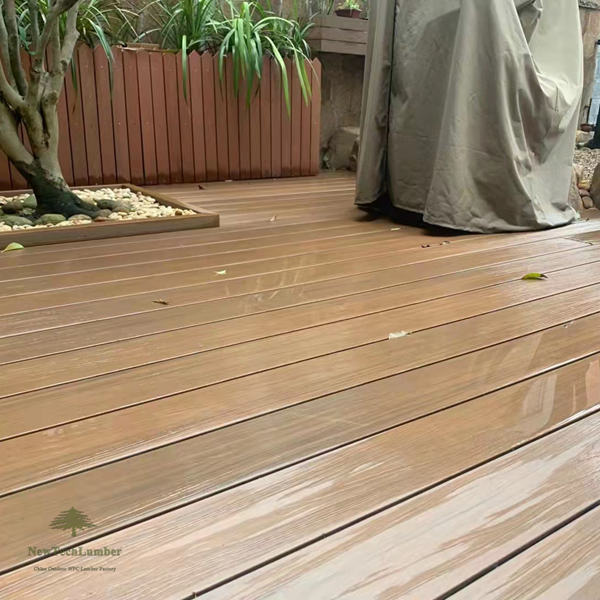
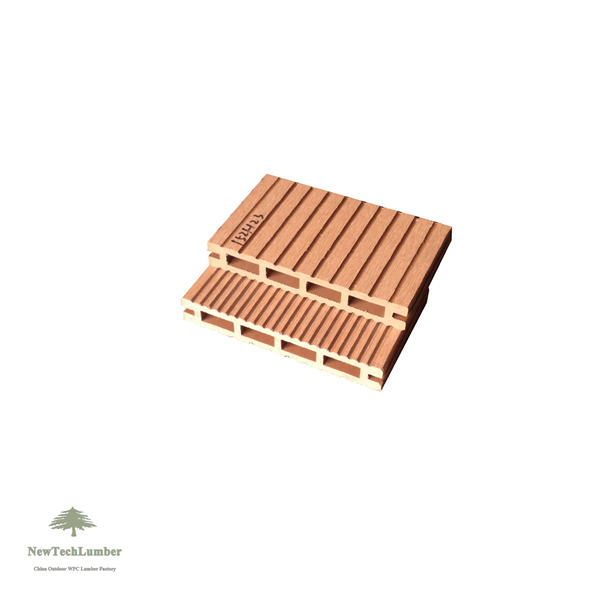
Faux wood flooring is a synthetic product designed to replicate the natural appearance of wood while providing enhanced durability and resistance to the elements. Typically made from materials such as PVC or WPC, faux wood flooring has become increasingly popular for outdoor applications, offering an appealing aesthetic with the practical benefits of modern technology. This type of flooring is particularly beneficial in settings where traditional wood may not perform well due to weather conditions or moisture exposure.
Outdoor faux wood flooring can be used in various applications, including patios, decks, and poolside areas, where natural wood might warp or deteriorate over time. Buyers appreciate it for its low maintenance requirements and long lifespan, making it an attractive choice for both residential and commercial projects.
Choosing Reliable WPC Suppliers
When seeking to purchase faux wood flooring from international suppliers, it is essential to identify reputable WPC manufacturers. Look for companies with a proven track record in the industry, ensuring that they adhere to international quality standards. Researching online and reading reviews from previous customers can provide valuable insights into the reliability of potential suppliers.
Additionally, consider suppliers that demonstrate transparency in their operations, including clear communication regarding production processes and timelines. A strong supplier should readily provide relevant certifications and test results that attest to the quality and safety of their products.
Evaluating Factories for Quality Assurance
Evaluating the factories where faux wood flooring is produced is a critical step in the purchasing process. Ideally, buyers should conduct factory visits to assess production capabilities, equipment quality, and overall operational practices. This firsthand experience allows for a more accurate evaluation of whether the supplier can meet specific orders and quality requirements.
During the visit, pay close attention to the cleanliness of the facility, the professionalism of the staff, and compliance with safety regulations. This inspection can uncover potential issues that may affect product quality and, ultimately, the success of your project.
Confirming Specifications and Compliance
Clear specifications must be established before placing any orders for faux wood flooring. Buyers should provide detailed requirements, including dimensions, colour options, surface finish, and any specific certifications needed for their market. Ensuring that both parties understand these specifications helps to avoid misunderstandings and costly errors.
Moreover, it’s advisable to require samples before finalising large orders. These samples allow you to assess the product’s look and feel, ensuring it meets your expectations and specifications. Additionally, confirm that the supplier complies with relevant regulations and standards, which may vary by region, to ensure the flooring is safe and suitable for outdoor use.
Avoiding Common Purchasing Risks
The international procurement of faux wood flooring can come with inherent risks if not carefully managed. One common risk involves dealing with suppliers who may offer products at significantly lower prices but compromise on quality. It is essential to remember that quality often correlates with cost; therefore, extremely low prices should raise red flags.
Another risk is related to shipping and logistics. Ensure that your supplier has a reliable shipping partner and that you understand the terms of delivery, including timelines, fees, and handling processes. A well-planned logistics strategy can prevent delays and additional costs that could impact your project schedule.
Long-Term Benefits of WPC Flooring
Investing in faux wood flooring made from WPC offers long-term advantages, particularly in outdoor settings. This material is designed to withstand moisture, UV exposure, and temperature fluctuations, making it a superior choice for outdoor applications compared to traditional wood. With minimal upkeep required, faux wood flooring can maintain its aesthetic appeal for years, providing great value for the initial investment.
Moreover, as sustainability becomes increasingly important in construction and renovation projects, WPC flooring often contains recycled materials. This aspect aligns with environmentally friendly practices, making it a responsible choice for contemporary outdoor spaces.