
Unique Wood Plastic Composite Wall Panel Design Options Available
The market for building materials has seen a significant transformation in recent years, particularly with the introduction of innovative products like wood plastic composite wall panels. These panels represent a remarkable blend of natural wood fibers and recycled plastic, offering a sustainable and durable alternative to traditional materials. As architects, designers, and homeowners increasingly prioritize aesthetics, sustainability, and functionality, the unique design options available for wood plastic composite wall panels are becoming more appealing.
One of the most significant advantages of wood plastic composite wall panels is their versatility in design. These panels come in a variety of colors, textures, and finishes, allowing for a wide range of applications in both residential and commercial settings. The ability to customize the appearance of these panels makes them an attractive option for designers looking to create unique and visually appealing spaces. For instance, the panels can mimic the look of natural wood, providing the warmth and charm of traditional wood without the associated maintenance and environmental concerns.
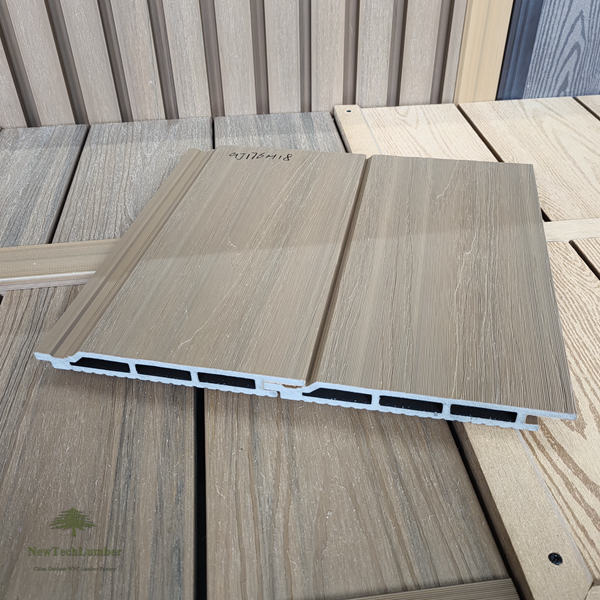
Furthermore, the production process for wood plastic composites allows for innovative design features that are often not possible with conventional materials. Engineers and designers can incorporate various patterns, shapes, and sizes into the panels, enhancing their aesthetic appeal. This flexibility facilitates creative architectural designs, enabling the construction of modern buildings with sleek lines and unique facades. Whether it is for a contemporary office building or a cozy residential home, the options for customization are virtually limitless.
Durability is another essential aspect that adds to the appeal of wood plastic composite wall panels. Unlike traditional wood, which is susceptible to rot, warping, and insect damage, these composite panels are engineered to withstand the elements. They are resistant to moisture, making them an excellent choice for regions with high humidity or frequent rainfall. This durability not only extends the lifespan of the panels but also reduces maintenance costs, making them a practical choice for property owners.
The eco-friendly nature of wood plastic composites further enhances their marketability. As consumers become more environmentally conscious, the demand for sustainable building materials continues to rise. Wood plastic composite panels are made from recycled materials, which helps divert waste from landfills and reduces the overall carbon footprint of construction projects. Additionally, these panels do not require the use of harmful chemicals for preservation, making them a safer choice for both the environment and those who inhabit the spaces they adorn.
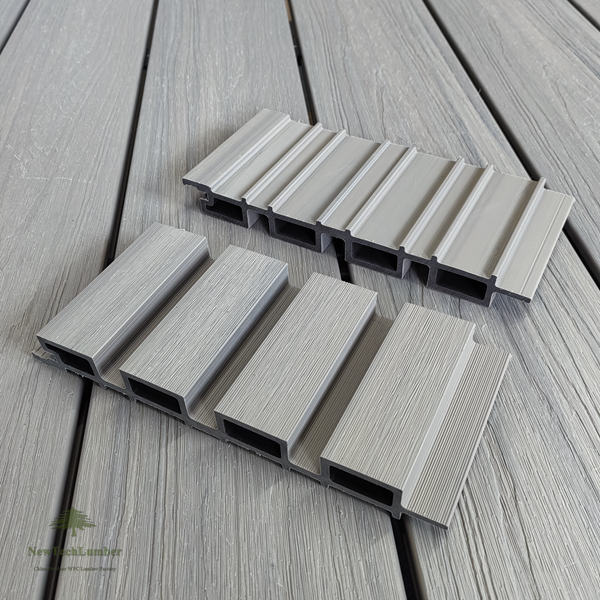
From a market application perspective, the growing trend toward outdoor living spaces has opened new avenues for the use of wood plastic composite wall panels. Homeowners are increasingly looking to extend their living areas outdoors, creating functional and stylish outdoor spaces. These panels can be utilized for exterior walls, privacy screens, and even decorative elements in gardens and patios. Their resistance to fading and deterioration makes them ideal for outdoor applications, ensuring that they maintain their appearance and integrity over time.
In commercial applications, wood plastic composite wall panels are gaining traction in various sectors, including hospitality, retail, and office design. Businesses are recognizing the value of creating inviting and aesthetically pleasing environments for their customers and employees. Using these panels in interior design can help achieve a modern and sophisticated look while providing the durability needed for high-traffic areas. Additionally, their sound-absorbing properties can contribute to a more comfortable and productive atmosphere in office settings.
The trend toward biophilic design, which emphasizes the connection between people and nature, is also influencing the use of wood plastic composite wall panels. By incorporating these materials into building designs, architects can create spaces that evoke a sense of nature, promoting well-being and reducing stress. The natural appearance of the panels can help bridge the gap between indoor and outdoor environments, enhancing the overall experience for occupants.
As technology continues to advance, the possibilities for wood plastic composite wall panels are expanding. Innovations in manufacturing processes and material formulations are leading to even more refined products that meet the evolving needs of consumers and builders alike. The integration of smart technology into these panels is already on the horizon, opening doors to features such as energy efficiency and integrated lighting solutions.
In the competitive landscape of building materials, wood plastic composite wall panels are carving out a significant niche. Their unique design options, durability, eco-friendliness, and adaptability make them an attractive choice for a wide range of applications. As the market continues to evolve, it is likely that these panels will play an increasingly prominent role in shaping the future of architectural design and construction. With the emphasis on sustainability and innovation, wood plastic composite wall panels are poised to become a staple in modern building practices, meeting the diverse needs of today’s consumers while paving the way for a more sustainable future.