
Understanding WPC Cladding Meaning for Better Choices
The construction and design industries have seen a significant shift toward sustainable and innovative materials in recent years. One such material that has gained immense popularity is Wood Plastic Composite cladding, commonly referred to as WPC cladding. This composite material combines the best features of wood and plastic, offering a range of benefits that cater to the needs of modern architectural applications. Understanding the meaning and advantages of WPC cladding can empower consumers, architects, and builders to make informed choices for their projects.
WPC cladding is essentially a composite material made from a blend of wood fibers and recycled plastic. This unique combination provides a durable, weather-resistant solution for both residential and commercial buildings. The manufacturing process involves extruding the mixture into boards or panels that can be used for exterior cladding, decking, and other applications. The eco-friendly aspect of WPC cladding cannot be overstated, as it often utilizes recycled materials, reducing the demand for virgin timber and minimizing environmental impact.
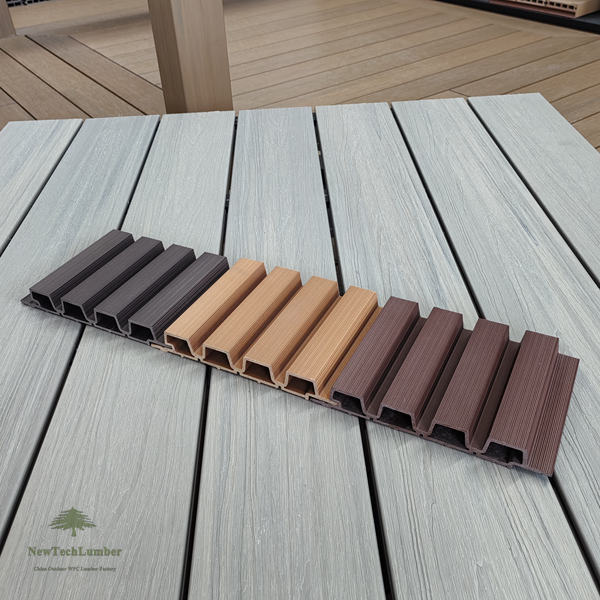
One of the most significant advantages of WPC cladding is its durability. Unlike traditional wood, which can warp, crack, or rot when exposed to moisture and varying weather conditions, WPC cladding is engineered to withstand the elements. This resilience makes it an ideal choice for regions with extreme weather patterns, as it maintains its integrity over time without requiring extensive maintenance. This durability translates into cost savings for homeowners and builders alike, as it reduces the frequency of repairs and replacements.
The aesthetic appeal of WPC cladding is another reason for its growing popularity. Available in a variety of colors, textures, and finishes, WPC cladding can mimic the look of natural wood without the associated drawbacks. Homeowners and architects can achieve the desired aesthetic for their projects without sacrificing performance. This versatility allows for creativity in design, making WPC cladding a suitable option for both contemporary and traditional architectural styles.
Moreover, WPC cladding is lightweight and easy to handle, which simplifies the installation process. Unlike heavier materials that may require specialized equipment and additional labor, WPC cladding can often be installed with standard tools and techniques. This ease of installation can significantly reduce labor costs and project timelines, making it an attractive choice for builders and contractors.
Another key factor to consider is the low maintenance requirements of WPC cladding. Traditional wood cladding often necessitates regular painting, staining, and sealing to preserve its appearance and protect it from the elements. In contrast, WPC cladding requires minimal upkeep, typically only needing occasional cleaning with soap and water. This reduction in maintenance efforts translates into long-term savings for homeowners and property managers.

In terms of environmental impact, WPC cladding stands out as a sustainable alternative to conventional materials. By utilizing recycled plastics and wood fibers, WPC cladding contributes to reducing waste and promoting a circular economy. Furthermore, the production of WPC materials generally consumes less energy compared to the harvesting and processing of virgin timber. This makes WPC cladding a smart choice for environmentally conscious consumers and builders who prioritize sustainability in their projects.
While WPC cladding offers numerous advantages, it is essential to consider potential limitations as well. One such limitation is the potential for fading over time when exposed to sunlight. Although many manufacturers produce UV-resistant formulations, some degree of color change may still occur. It is crucial for consumers to choose high-quality products from reputable manufacturers to mitigate this issue.
Price is another aspect to evaluate when considering WPC cladding. While it may be more expensive than traditional wood options upfront, the long-term savings associated with reduced maintenance and replacement costs often justify the initial investment. Additionally, the growing demand for WPC products has led to increased competition in the market, which may drive prices down in the future.
As consumers become more aware of their choices and the materials available to them, WPC cladding is likely to continue gaining traction in the market. Its combination of durability, aesthetic appeal, low maintenance, and sustainability makes it an attractive option for various applications. Builders, architects, and homeowners who understand the meaning and benefits of WPC cladding are better positioned to make informed decisions that align with their design goals and environmental values.
Choosing the right material for any construction or renovation project is crucial for achieving the desired outcomes. By delving into the advantages and potential drawbacks of WPC cladding, stakeholders can navigate the complexities of material selection with confidence. As the industry continues to evolve, WPC cladding stands out as a forward-thinking choice that meets the demands of modern architecture while promoting sustainability and efficiency.