
Understanding Composite decking price for Budget Planning
When planning a budget for a decking project, understanding the price of composite decking is crucial. Composite decking has gained significant popularity as an alternative to traditional wood decking due to its durability, low maintenance, and aesthetic appeal. However, the price can vary widely based on different factors, and understanding these factors from a material performance perspective can help homeowners make informed decisions.
Composite decking is made from a combination of wood fibers and plastic. This blend results in a product that offers the best of both worlds: the natural look of wood with the resilience of plastic. One of the primary reasons for the higher initial cost of composite decking compared to traditional wood is the advanced manufacturing process. This process often involves the use of high-quality materials that enhance performance characteristics, including resistance to moisture, insects, and UV fading.
The performance of composite decking materials is often evaluated based on several key properties: durability, maintenance requirements, color retention, and slip resistance. Durability is a significant advantage of composite decking. Unlike wood, which can warp, splinter, or rot over time, composite materials are engineered to withstand the elements. They are designed to endure extreme weather conditions, making them a long-lasting option for outdoor spaces. Homeowners should consider the longevity of their investment when assessing the cost of composite decking. While the upfront cost may be higher, the reduced need for replacement and repair can lead to savings over time.
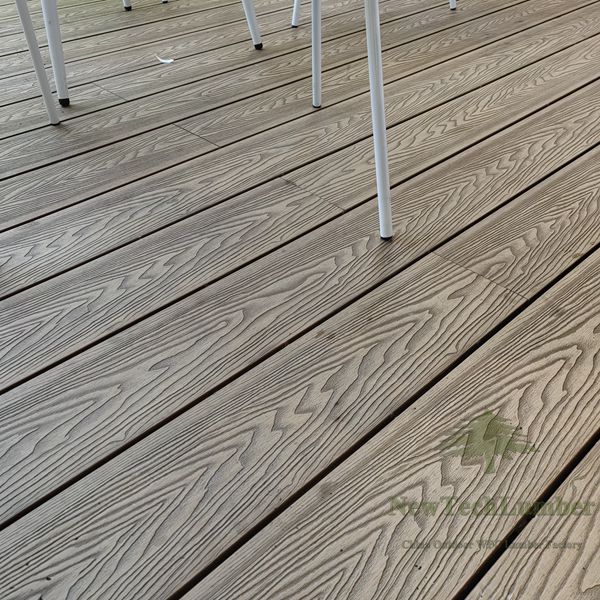
Maintenance is another critical factor that impacts the overall cost of composite decking. Traditional wood decks require regular staining, sealing, and cleaning to maintain their appearance and integrity. In contrast, composite decking typically requires minimal maintenance. Most products can be cleaned with soap and water, and they do not need to be treated with preservatives. This reduced maintenance requirement can lead to significant savings in both time and money. Homeowners who want to avoid the labor and costs associated with regular upkeep may find that the investment in composite decking pays off in the long run.
Color retention is also an essential consideration when evaluating composite decking. Many composite materials are designed to resist fading from UV exposure, ensuring that the deck maintains its color over time. This characteristic not only enhances the aesthetic appeal of the deck but also contributes to its overall value. A deck that looks good and retains its color without the need for frequent refinishing can be more attractive to potential buyers if the homeowner decides to sell the property.
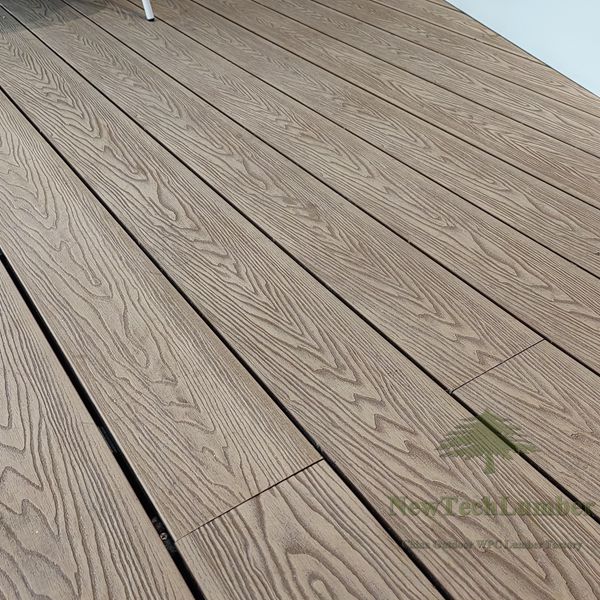
Slip resistance is another performance characteristic that should not be overlooked. Composite decking manufacturers often incorporate textured surfaces and advanced materials to enhance traction, reducing the risk of slips and falls, especially in wet conditions. This added safety feature can be particularly important for families with children or pets, making composite decking a practical choice for many homeowners. The investment in a safer decking option can provide peace of mind, which is invaluable when planning a budget.
The price of composite decking is also influenced by market trends and the availability of materials. As the demand for eco-friendly building solutions increases, many manufacturers are responding by producing composite decking from recycled materials. While this can sometimes lead to higher costs due to the sourcing of sustainable materials, it can also appeal to environmentally conscious consumers. Understanding the environmental impact of the materials used can be a significant factor for homeowners when determining their budget.
Another aspect to consider is the variety of composite decking products available. There are numerous brands, styles, and colors on the market, which can lead to varying price points. Homeowners should carefully evaluate the specific features of each product, including warranties, brand reputation, and customer reviews. Investing in a reputable brand with a solid warranty can provide additional assurance of the product’s performance over time.
When budgeting for a composite decking project, it is essential to account for all associated costs, including materials, installation, and any additional features such as railings or lighting. While the initial price of composite decking may be higher than traditional wood, the long-term benefits associated with durability, low maintenance, and safety features can make it a cost-effective solution in the long run.
In summary, understanding composite decking prices requires a thorough examination of material performance characteristics. Durability, maintenance requirements, color retention, and slip resistance all play a significant role in determining the overall value of the investment. By considering these factors and evaluating the long-term benefits, homeowners can make informed decisions that align with their budget and lifestyle needs. A well-planned budget not only focuses on the upfront costs but also considers the longevity and performance of the deck, leading to a satisfying outdoor space that can be enjoyed for years to come.