
Material Preparation and Mixing Control for Outdoor WPC Decking
As a WPC extrusion technology engineer, I see many customer complaints about composite decking performance begin with raw material preparation rather than the finished board. Outdoor WPC decking depends on a precise balance of wood fibre, polymers, additives, pigments and processing agents. The quality of each ingredient affects dimensional stability, surface appearance and long term outdoor performance. Before extrusion, moisture content in wood fibre must be controlled carefully because excessive water can create bubbles, weak bonding and rough surfaces.
The mixing stage requires accurate formulation management. Different brands of composite decking may use different ratios of wood powder and polymer, but the manufacturing principle remains consistent. High speed mixers are used to distribute additives evenly, while temperature control during mixing prevents premature polymer melting. After mixing, many factories use pelletising equipment to create uniform WPC compounds. Proper pellet size and density improve feeding stability during extrusion and reduce colour differences between production batches.
Extrusion Temperature and Production Process Management
The extrusion stage determines the structure and strength of the final decking board. The WPC compound enters the extruder, where controlled heat and mechanical pressure transform the material into a continuous profile. Each heating zone requires accurate temperature settings because polymer behaviour changes throughout the barrel. Excessive temperature can cause polymer degradation, darkening and unpleasant odours, while insufficient heat may lead to poor plasticisation and weak internal bonding.
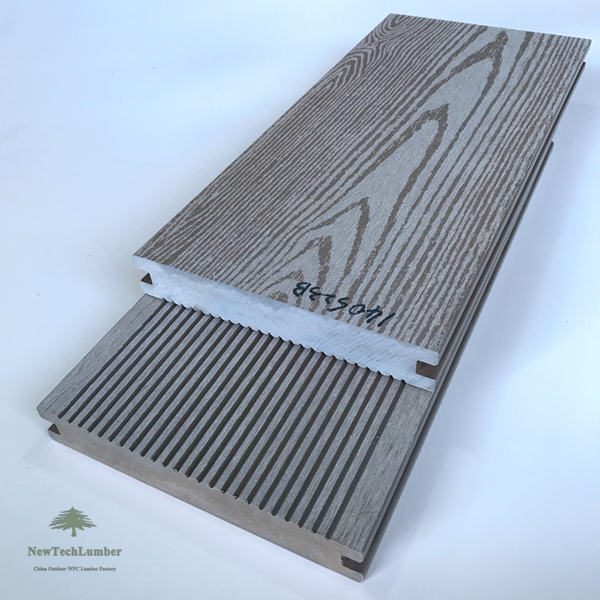
Experienced engineers adjust screw speed, feeding rate and pressure according to the formula and board design. Stable extrusion prevents common issues such as uneven thickness, surface marks and internal voids. Production management teams also monitor machine vibration, motor load and output consistency. These details are especially important for international customers who require repeatable quality across large orders and different climates.
Mold Design and Profile Accuracy in WPC Manufacturing
WPC mold design directly influences the appearance and performance of outdoor decking products. A well-designed extrusion die must provide balanced material flow across the entire board width. Poor flow distribution can create uneven density, twisting or weak edges. Engineers analyse the internal channels of the mould and adjust restrictions to achieve consistent pressure throughout the profile.
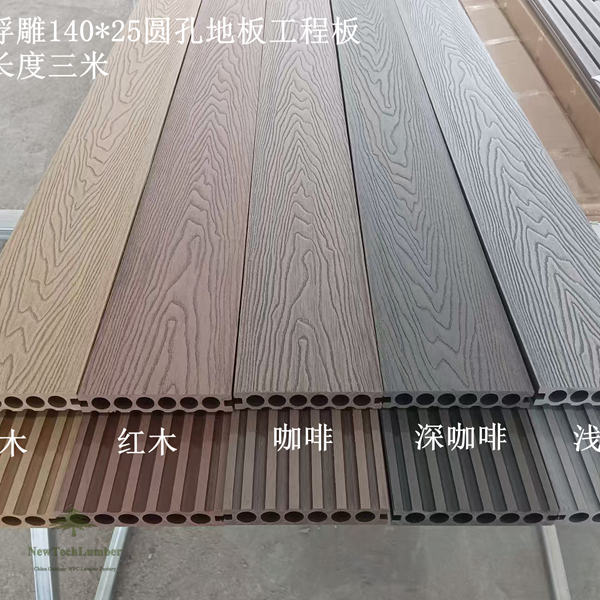
Cooling shrinkage must also be considered during mould development. WPC materials contract after leaving the die, so the mould dimensions need careful calculation. For products with different surface textures, embossed patterns or co-extruded layers, the mould structure requires additional precision. Many brands of composite decking rely on advanced mould technology to achieve realistic wood grain finishes while maintaining mechanical strength.
Cooling Calibration and Surface Treatment Solutions
After extrusion, the hot WPC profile enters the cooling calibration system. Vacuum calibration tables shape the board accurately while water cooling gradually reduces temperature. Uneven cooling can cause bending, warping or internal stress, especially in thicker decking profiles. Engineers adjust cooling water flow, vacuum pressure and calibration settings to maintain straightness and accurate dimensions.
Surface treatment is the next stage that defines the visual quality of the product. Brushing, sanding, embossing and co-extrusion processes improve texture and protection. A protective polymer cap layer can enhance resistance against moisture, stains and ultraviolet exposure. However, incorrect surface treatment may create peeling, inconsistent texture or poor adhesion between layers, requiring careful inspection during production.
Common WPC Decking Problems and Technical Troubleshooting
Global customers often report problems such as colour fading, cracking, expansion gaps, surface scratches and installation difficulties. Many of these issues can be traced back to production parameters. Colour variation may result from inconsistent pigment mixing, while cracking can occur because of excessive wood fibre content, insufficient polymer bonding or incorrect cooling conditions. Technical teams must analyse production records and material samples before identifying the actual cause.
Quality inspection supervisors and after-sales engineers work together to provide solutions for installers, designers and distributors. Testing includes density checks, water absorption measurement, impact resistance evaluation and weathering assessments. For export markets, WPC factories must also consider regional climate conditions, installation methods and customer expectations. A complete understanding of extrusion technology allows manufacturers to support architects, landscape consultants and international buyers with reliable technical guidance.
Quality Improvement for Global WPC Decking Applications
Continuous improvement in WPC production requires cooperation between material engineers, extrusion specialists, designers and market teams. Advanced factories review customer feedback and update formulas, machinery settings and quality standards regularly. This approach helps manufacturers develop decking solutions suitable for residential gardens, commercial landscapes and public outdoor spaces.
For international projects, consistent documentation, accurate packaging design and professional technical support are as important as the extrusion process itself. A reliable WPC supplier combines controlled manufacturing with practical knowledge of installation and application requirements. Through careful management of materials, equipment and production technology, outdoor composite decking can achieve stable quality across global markets.