
Geri Dönüştürülmüş Plastik Ahşap Kaplamanın Yükselişi
Çağdaş yapı sektöründe sürdürülebilirlik giderek daha öncelikli hale geliyor.Çevre dostu malzemeler bulmanın aciliyeti, geri dönüştürülmüş plastik ahşap kaplamanın popülaritesine öncülük etti.Bu yenilikçi çözüm, geleneksel ahşap estetiğini plastiğin dayanıklılığıyla birleştirerek modern inşaat projeleri için cazip bir seçimdir.Geri dönüştürülmüş malzemeler ekleyerek, bu ürün sadece atıkları azaltmakla kalmaz, aynı zamanda ormansızlaşma ile ilişkili çevresel etkiyi azaltır.
Geri dönüştürülmüş plastik ahşap kaplama, çekici bir bitiş sağlarken inşaatın katı taleplerini karşılamak için tasarlanmıştır.Bu, konut evlerinden ticari binalara kadar çok çeşitli uygulamalar için uygun hale getirir.Eşsiz bileşimi, tipik olarak doğal ahşapla ilişkili dezavantajları olmayan kereste benzeri bir görünüm sunar, örneğin çürümeye ve zararlılara duyarlılığı gibi.
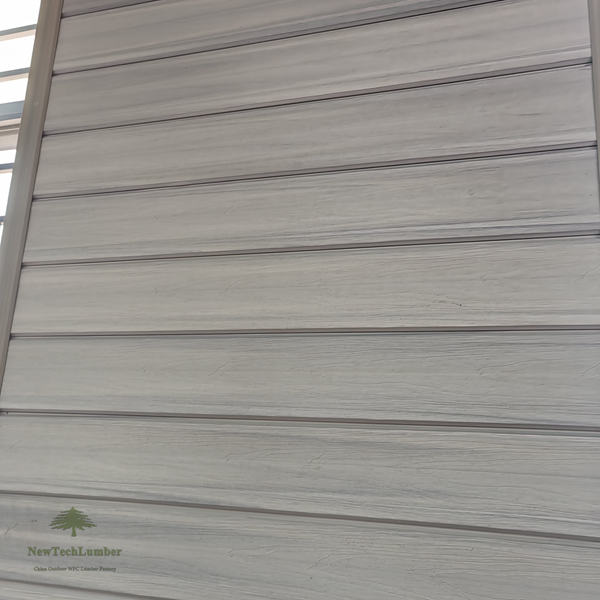
Düşük Bakım Avantajları
Geri dönüştürülmüş plastik ahşap kaplamanın göze çarpan özelliklerinden biri, düşük bakım gereksinimleridir.Lekeleme veya boyama gibi düzenli tedaviler gerektiren geleneksel ahşap kaplamanın aksine, geri dönüştürülmüş plastik ahşap kaplama, minimal bakım ile çekicisini korur.Bu, hem mülk sahipleri hem de inşaatçılar için önemli bir avantajdır, bu da devam eden bakım maliyetlerinde ve zamanlarında bir azalmaya izin verir.
Dahası, geri dönüştürülmüş plastik ahşap kaplamanın dayanıklılığı, sert hava koşullarına ahşap muadillerinden daha iyi dayanabileceği anlamına gelir.Uzun yıllar boyunca tutarlı ve çekici bir görünüm sağlayan, bükülmek, kıymık veya solamaz.Dönem bakım kontrollerine olan ihtiyaç büyük ölçüde azalır ve ev sahiplerinin ve işletmelerin düzenli bakım endişesi olmadan mülklerinin diğer yönlerine odaklanmalarını sağlar.
WPC Malzemelerinin Uzun Hizmet Yaşamı
Geri dönüştürülmüş plastik ahşap kaplamanın uzun ömürlülüğü, sürdürülebilir bina projelerinde artan benimsenmesinin bir başka zorlayıcı nedenidir.Ahşap plastik kompozitler (WPC), çeşitli çevresel faktörlere karşı olağanüstü direnç sağlamak için tasarlanmıştır.Bu, bozulma nedeniyle birkaç yıl sonra değiştirilmesi gerektiren geleneksel ahşap ürünlerden önemli ölçüde daha uzun süre dayanabilecekleri anlamına gelir.
Geri dönüştürülmüş plastik ahşap kaplamaya yatırım yaparak, inşaatçılar yapılarının on yıllar boyunca sağlam ve görsel olarak çekici kalmasını sağlayabilirler.Bu genişletilmiş hizmet ömrü sadece mülklere değer katmak değil, aynı zamanda sık sık değiştirilmelerden elde görülen atıkları en aza indirerek sürdürülebilirlik çabalarına katkıda bulunur.WPC malzemelerinin dayanıklılığı, zaman içinde harcanan daha az kaynaca dönüşür ve sürdürülebilir inşaat ilkelerini somutlaştırıyor.
Çevre Dostça Seçim
Geri dönüştürülmüş plastik ahşap kaplama seçmek sadece bir estetik veya bakım meselesi değildir.Çevresel ayak izini azaltan malzemeleri kullanmak için bilinçli bir kararı temsil eder.Bu malzemelerin üretimi, aksi takdirde çöp sahasına ve kirliliğe katkıda bulunacak plastik atıkların yeniden tasarlanmayı içerir.Geri dönüştürülmüş plastik ahşap kaplamayı tercih ederek, inşaatçılar ve mülk sahipleri daha sürdürülebilir bir geleceğe yönelik küresel harekete aktif olarak katılıyor.
Bu çevre dostu seçim, sürdürülebilir bina uygulamalarına artan tüketici talebi ile uyumludur.Daha fazla birey ve şirket sürdürülebilirliğe öncelik sağladıkça, geri dönüştürülmüş malzemeler pazarı genişlemeye devam ediyor, yenilikleri ve kalitedeki iyileştirmeleri artırdı.Geri dönüştürülmüş plastik ahşap kaplamanın evrimi, günümüzün çevreye duyarlı tüketicilerinin beklentilerini karşılayan bir ürün sağlayarak bu eğilimi yansıtıyor.
Tasarımda Çok Yönlülük
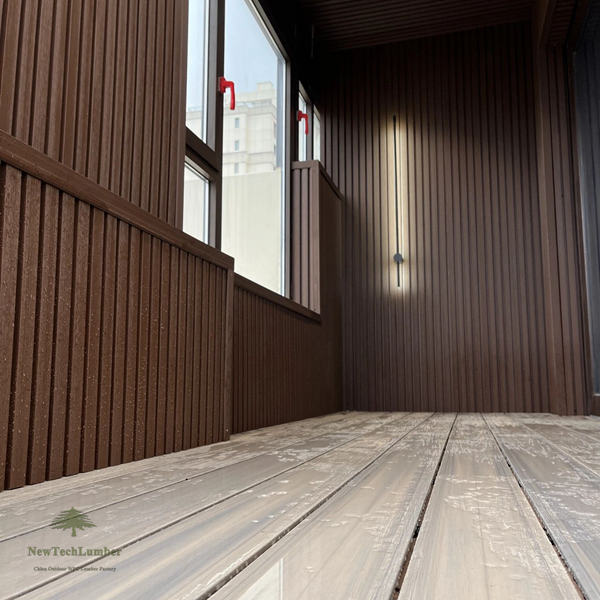
Sürdürülebilirlik kimlik bilgilerinin yanı çırpınması dışında, geri dönüştürülmüş plastik ahşap kaplama, tasarımda dikkate değer çok yönlülük sunar.Çeşitli renklerde, dokularda ve kaplamalarda mevcut olan mimarların ve tasarımcıların estetik gereksinimleri karşılamakta yaratıcılıklarını serbest bırakırlar.İster çağdaş bir görünüm ister daha geleneksel bir görünüm hedeflemek olsun, geri dönüştürülmüş plastik ahşap kaplama, çeşitli mimari tarzlara uyacak şekilde uyarlanabilir.
Bu adaptasyon, estetik hususların ötesine uzanıyor; dış kaplamadan iç duvar kaplamalarına kadar çeşitli uygulamalarda da kullanılabilir.Geri dönüştürülmüş plastik ahşap kaplamayı eskrim, korkuluğu, pergolalar ve çardaklara entegre etme olasılığı, çok işlevliliğinin daha da altını çiziyor ve bu da onu bütünsel bina çözümleri için ideal bir seçim haline getiriyor.
Özetle, geri dönüştürülmüş plastik ahşap kaplamanın bina projelerine entegrasyonu, ancak estetiğin ötesine uzanan çok sayıda fayda sunar.Düşük bakım gereksinimleri, uzun hizmet ömrü ve önemli çevresel avantajlarla, hem konut hem de ticari uygulamalar için akıllı bir yatırımı temsil eder.İnşaat endüstrisi sürdürülebilirliğe doğru gelişmeye devam ederken, geri dönüştürülmüş plastik ahşap kaplama gibi malzemeleri kucaklamak, olağanüstü performans ve çekicilik sağlarken daha yeşil bina uygulamalarının önünü açıyor.