
WPC'yi Bir Dış Duvar Örtbası Olarak Anlamak
Ahşap Plastik Kompozit (WPC), özellikle modern dış mekan bina tasarımlarında dış duvar kapakları için popüler bir seçim olarak ortaya çıkmıştır.Bu yenilikçi malzeme, akabın doğal estetiğini plastiğin dayanıklılığıyla birleştirerek çağdaş mimarinin taleplerini karşılayan bir ürünle sonuçlanır.WPC, konut ve ticari binalar da dahil olmak üzere çeşitli uygulamalar için çok yönlü bir çözüm sunar.Bir üretici ve ihracatçı olarak NewTechLumber, sadece yapıların görsel çekicilik arttırılmayı değil, aynı zamanda uzun ömürlü performans sağlayan yüksek kaliteli kompozit malzemeler sağlar.
WPC'den yapılmış dış duvar örtüsü, geleneksel ahşap üzerinde önemli avantajlar sağlar.En zorlayıcı faydalardan biri, doğal ahşapla ortak sorunlar olan çürüme ve çürümeye karşı direncidir.WPC, ahşap gibi suyu emmiyor, bu da onu yüksek nem veya öngörülemeyen hava modelleriyle bölgeler için ideal bir seçim haline getirir.Bu özellik aynı zamanda düzenli sızdırmazlık veya lekelemeye gerek olmadığı için bakım kolaylığına da katkıda bulunur.WPC'nin uzun ömürlülüğü, görünüşünü ve işlevselliğini zaman içinde korudu ve bu da onu inşaatçılar ve mülk sahipleri için uygun maliyetli bir seçenek haline getiriyor.
Dayanıklılık ve Hava Durumu Performansı
Dış duvar örtüsü için malzemeleri göz önünde bulundurulduğunda, dayanıklılık çok önemlidir.WPC, geleneksel ahşapdan, özellikle zorlu çevresel koşullara dayanma kabiliyetinde çeşitli yönlerde daha mükemmeldir.Aşırı sıcaklıklar ve nem nedeniyle çözebilen, çatlayabilir veya parçalamaabilen doğal ahırın aksine, WPC bu etkilere direnmek için tasarlanmıştır.Bu kalite, kompozit malzemelerle kaplı yapıların hava durumuna bakılmaksızın kararlı ve görsel olarak çekici kaldığı anlamına gelir.
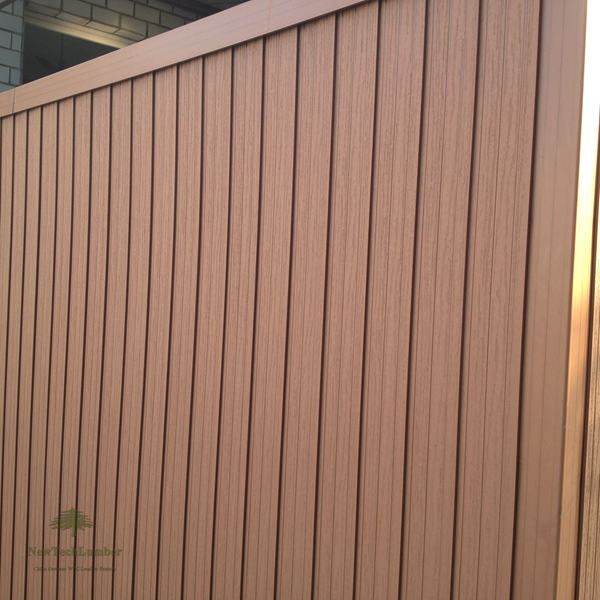
Dahası, WPC UV’ye dayanıklı olacak şekilde tasarlanmıştır, bu da onu doğal alaba beslenebilir solmaya ve renklendirmeden korur.Bu, dış duvar örtüsünin yıllar boyunca zengin renklerini ve dokularını korumasını sağlayarak binanın mimari tarzına uygun tutarlı bir estetik sağlar.Hava direnci ve UV stabilitesinin birleşimi, WPC'yi dayanıklı ve çekici bir dış yüzeye yatırım yapmak isteyenler için ideal bir seçimdir.
Kayın, Direnç ve Güvenlik Değerlendirmeleri
Güvenlik, herhangi bir açık hava bina tasarımı için, özellikle de nemeye maruz kalmış alanlarda önemli bir hususdur.WPC kompozit malzemeler, geleneksel ahşapa kıyasla üstün kayma direnci sunar ve bu da onları harici uygulamalar için daha güvenli bir seçenek haline getirir.WPC'nin dokuya sağlam yüzeyleri, çekiş sağlamak için özel olarak tasarlanmıştır ve kayma ve düşme riskini azaltır.Bu özellik, ıslak koşulların tehlikeleri önemli ölçüde artırabileceği verandalar, balkonlar ve yürüyüş yolları gibi alanlar için özellikle önemlidir.
Ek olarak, WPC'nin gözeneksiz doğası, küf veya küf barındırmayarak güvenliği daha da artıramadığı anlamına gelir.Kalıp, kaygan yüzeyler oluşturabilir ve özellikle solunum sorunları olanlar için sağlık riskleri oluşturabilir.WPC'yi bir dış duvar örtüsü olarak seçerek, mülk sahipleri sadece binalarının estetik çekiciliğini arttırmakla kalmaz, aynı zamanda yolcularının güvenliğini ve refahına da öncelik veriyorlar.
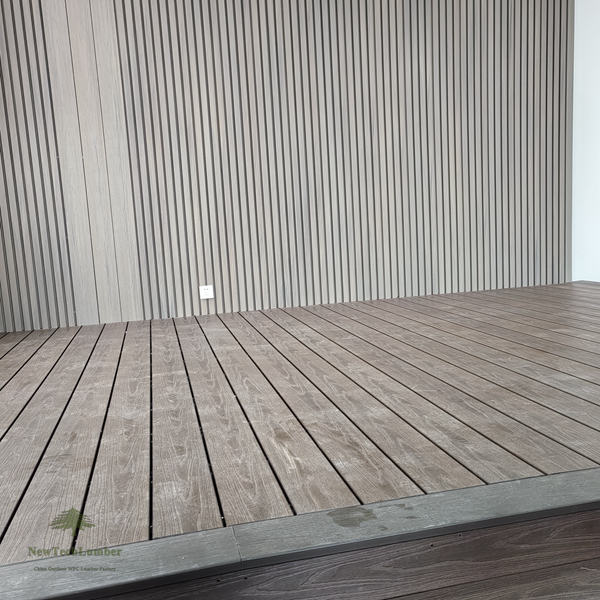
WPC'nin Çevre Dost Özellikleri
Çevre bilinci tüketiciler ve inşaatçılar arasında büyümeye devam ettikçe, WPC'nin çevre dostu nitelikleri onu modern tasarımlar için cazip bir seçenektir.WPC tipik olarak bakire kaynaklara olan ve israfı en aza indiren odun lifi ve plastik de dahil olmak üzere geri dönüştürülmüş malzemelerden yapılır.Üretime olan bu sürdürülebilir yaklaşım sadece çevre korumaya yardımcı olmakla kalmaz, aynı zamanda sorumlu seçimler yapmaya istekli olan birçok çağdaş tüketicinin değerleriyle de uyumludur.
Ayrıca, WPC'nin uzun ömürlülüğü, geleneksel alata kıyasla daha az sıklıkta değiştirilmesini gerektirdiği ve ürünün yaşam döngüsü üzerinde daha düşük çevresel bir etkiye neden olduğu anlamına gelir.WPC'yi bir dış duvar örtüsü olarak seçerek, inşaatçılar hala istenen estetik kaliteyi elde ederken sürdürülebilir bina uygulamalarına önemli ölçüde katkıda bulunabilirler.
Modern Mimari için Çok Yönlü Uygulamalar
WPC'nin çok yönlülüğü işlevsel faydalarının ötesine uzanıyor; mimari tasarımlarda yaratıcı ifadeye de izin veriyor.Çeşitli renklerde, dokularda ve kaplamalarda bulunan WPC, modern yapıların talepte bulunduğu dayanıklılık ve esneklik sağlarken doğal akünün görünümünü taklit edebilir.Bu adaptasyon, konut evleri, ticari binalar ve açık hava rekreasyon alanları da dahil olmak üzere çeşitli uygulamalar için ideal bir seçimdir.
Mimarlar ve tasarımcılar, WPC'yi projelerine giderek daha da dahil ederek, binaların hem estetik hem de işlevsel yönlerini geliştirme potansiyelini kabul ederek.Dış duvar kapağı olarak kullanılıp ister eskrim ve döşeme gibi diğer özelliklere entegre edilmiş olsun, WPC, dayanıklılık ve bakım için pratik bir çözüm sunarken dış mekanları zenginleştirir.