
Pre Shipment Quality Control Standards for WPC Decking
As a WPC quality inspection supervisor, I verify every batch of outdoor composite decking before it leaves the factory. Shipment approval depends on strict testing procedures that confirm the boards meet technical specifications, customer requirements, and international market expectations. Unlike natural timber products, WPC decking combines wood fibres, polymers, additives, and processing conditions that must remain consistent throughout production.
The quality control process begins with raw material checks, production records, and finished board inspections. Material composition, extrusion temperature, cooling speed, and surface treatment all influence final performance. For customers comparing composite decking vs treated lumber, factory inspection data provides clear evidence of product reliability because each batch is evaluated through measurable standards rather than appearance alone.
Dimensional Accuracy and Density Testing
Dimensional inspection is one of the first checks completed after WPC boards are produced. Inspectors measure board length, width, thickness, edge profile, and groove positioning using calibrated tools. Accurate dimensions are essential for installation efficiency because small variations can create alignment problems during decking projects, especially in large outdoor areas or commercial applications.
Density testing confirms whether the internal structure of the WPC profile meets the required strength and stability level. A controlled density range helps prevent weak sections, excessive expansion, and inconsistent mechanical performance. Samples are weighed and measured to calculate density, while production teams review extrusion settings if results fall outside the approved range. This inspection is particularly important for export orders where buyers require stable product quality across repeated shipments.
Impact Resistance and Mechanical Performance Checks
Outdoor decking must withstand daily pressure from furniture, foot traffic, weather exposure, and occasional impact. Impact resistance testing evaluates how well WPC boards absorb sudden force without cracking, breaking, or developing permanent damage. Inspectors use controlled impact methods on sample boards and record the results according to project specifications.
Bending strength testing provides further information about load-bearing capability. Samples are placed under controlled pressure until a defined force is reached, allowing engineers to measure flexural strength and deformation. Strong bending performance indicates that the decking can maintain structural stability during long-term outdoor use. These results are reviewed by WPC extrusion technology engineers and product designers before shipment approval.
Water Absorption and Colour Stability Evaluation
Moisture resistance is a key advantage of quality WPC decking, but every production batch still requires water absorption testing. Samples are measured before and after controlled water exposure to determine moisture uptake. Lower absorption rates help reduce risks such as swelling, cracking, and surface deterioration in outdoor environments with rain, humidity, or changing temperatures.
Colour stability testing checks how well the surface maintains its original appearance after exposure to ultraviolet light and weather conditions. Accelerated ageing equipment is used to simulate long-term sunlight exposure. Inspectors examine colour changes, fading levels, and surface condition after testing. Stable colour performance is important for architects, landscape consultants, and property developers who need outdoor materials to maintain visual consistency for many years.
Surface Appearance and Manufacturing Defect Inspection
Visual inspection remains an important final stage before packaging. Quality inspectors examine every board surface for scratches, bubbles, cracks, uneven embossing, colour differences, and edge defects. The inspection area uses controlled lighting conditions so minor imperfections can be identified before products reach customers.
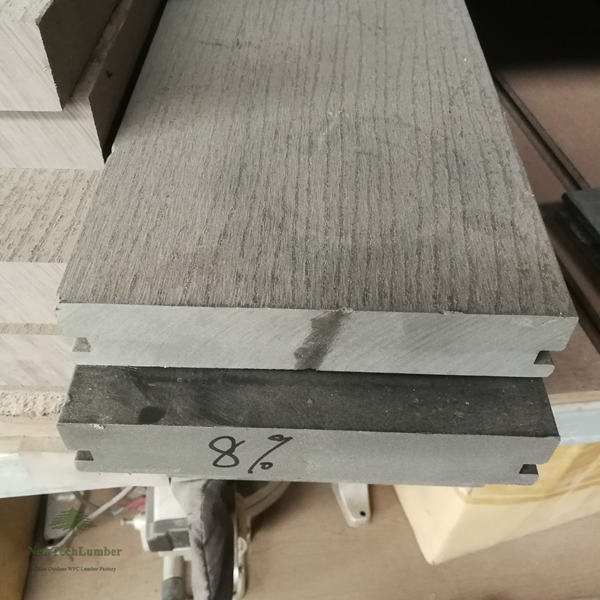
Factory teams also check profile accuracy, protective film application, packaging quality, and product identification labels. A professional appearance is especially important for OEM projects because customised colours, patterns, and dimensions must match approved samples. WPC packaging engineers ensure boards are protected from damage during transport, while export specialists confirm that shipment documentation matches the inspected products.
Quality Assurance for International WPC Supply Chains
A reliable WPC quality inspection system connects manufacturing, engineering, and customer service teams. Inspection reports record dimensional results, density values, impact resistance data, water absorption rates, bending strength measurements, and appearance assessments. These records support traceability and allow factories to respond quickly if technical questions appear after delivery.
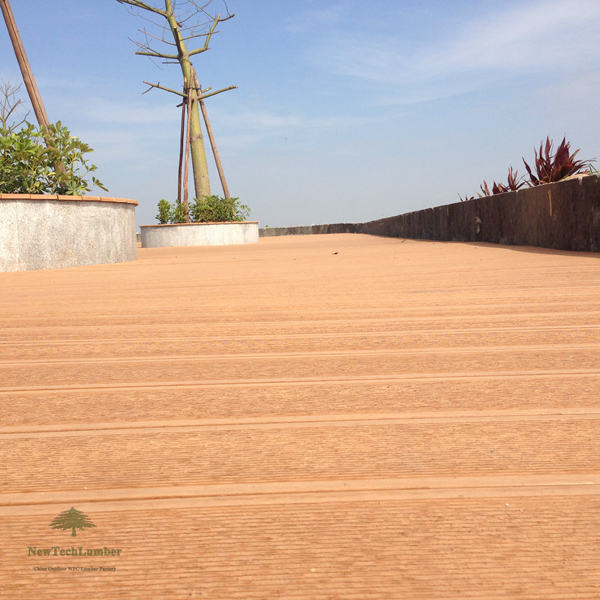
For buyers evaluating composite decking vs treated lumber, documented WPC testing demonstrates how engineered outdoor materials are controlled before reaching the market. Consistent inspection procedures help manufacturers supply decking that meets the expectations of builders, installers, architects, and international distributors. Careful testing before shipment protects product performance, strengthens customer confidence, and supports long-term partnerships in the outdoor building materials industry.