
Top Choices in Capped composite decking for Long-Lasting Performance
The demand for capped composite decking has surged in recent years, driven by a growing appreciation for outdoor living spaces and a desire for durable, low-maintenance materials. As consumers seek products that combine aesthetic appeal with longevity, capped composite decking has emerged as a leading choice. This material, which typically consists of a composite core wrapped in a protective cap, offers significant advantages in terms of performance, durability, and appearance. However, the decision-making process extends beyond just the product itself. Global production capacity and pricing strategies play critical roles in determining the best options available to consumers.
The global landscape for capped composite decking is characterized by a diverse range of manufacturers and suppliers, each contributing to the overall production capacity. Major players in the industry have established facilities in various regions, including North America, Europe, and Asia-Pacific. This geographical distribution is not merely a function of market demand but is also influenced by factors such as resource availability, labor costs, and transportation logistics. For instance, manufacturers situated in regions rich in raw materials, such as recycled wood fibers and polymers, can produce capped composite decking more efficiently and at a lower cost.
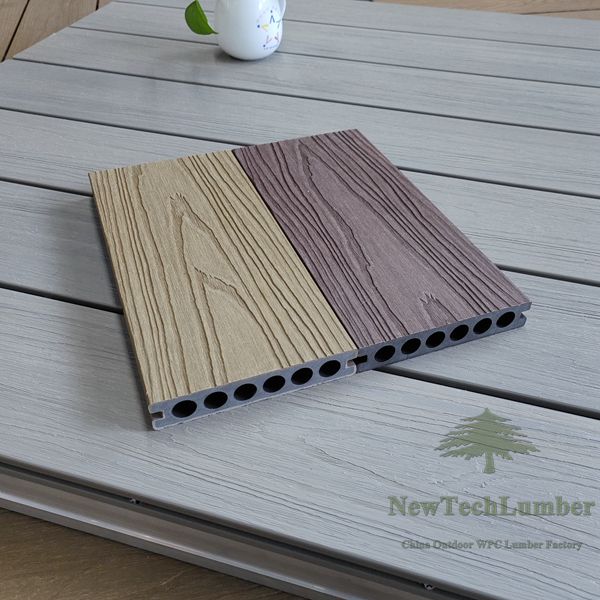
North America has traditionally been a stronghold for capped composite decking production, with several well-known brands headquartered in the region. These companies benefit from a robust domestic market and advanced manufacturing technologies. However, the rise of competitors from Asia-Pacific has introduced new dynamics into the market. Manufacturers in countries like China and Vietnam have increased their production capabilities, often taking advantage of lower labor costs and faster production timelines. This shift has not only enhanced global supply chains but has also led to competitive pricing strategies that benefit consumers.
Price is a significant factor when selecting capped composite decking. The interplay between global production capacity and regional pricing strategies can create substantial differences in cost. In North America, for example, quality materials and advanced manufacturing processes often translate to higher prices. However, these costs can be justified by the superior performance characteristics and warranties offered by established brands. On the other hand, consumers may find that products sourced from regions with lower production costs offer attractive price points, albeit sometimes at the expense of quality and long-term durability.
When evaluating price advantages, it is essential to consider not just the initial cost but also the long-term value of the product. Capped composite decking is designed to withstand the elements, resist fading, and require minimal maintenance. While cheaper options may be appealing upfront, they can lead to higher expenses over time due to the need for replacement or repair. Therefore, investing in a reputable brand with proven performance characteristics often proves to be more economical in the long run.
Another important consideration in the global market for capped composite decking is the environmental impact associated with production and transportation. As sustainability becomes an increasingly crucial factor for consumers, many manufacturers are striving to adopt eco-friendly practices. This includes sourcing recycled materials, reducing carbon footprints, and implementing responsible manufacturing processes. Brands that prioritize sustainability may command higher prices, but they often attract consumers willing to pay a premium for products that align with their values.
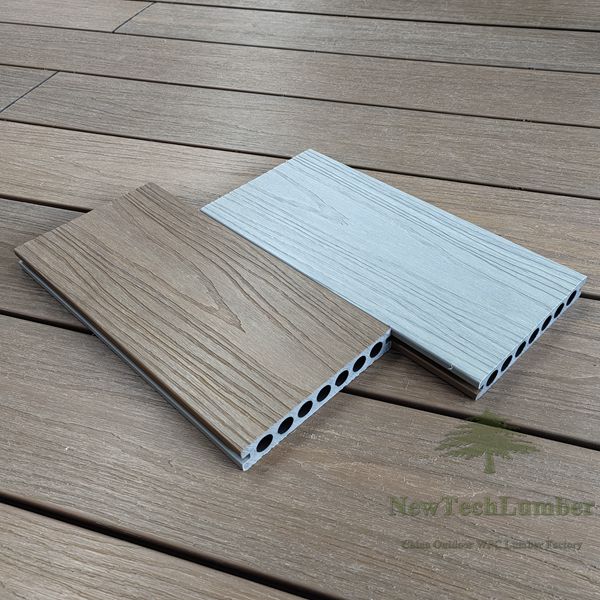
The variety of styles and finishes available in capped composite decking is also influenced by global production trends. As manufacturers invest in research and development, new colors and textures are introduced to cater to changing consumer preferences. This innovation not only enhances the aesthetic appeal of outdoor spaces but also allows for greater customization. When selecting capped composite decking, consumers should consider the range of options available from different manufacturers, as this can significantly impact the overall look and feel of their decks.
In addition to aesthetics and price, performance features such as slip resistance, mold and mildew resistance, and warranty coverage should also weigh heavily in decision-making. These features can vary widely between brands and regions, emphasizing the importance of thorough research before making a purchase. Many reputable brands offer extended warranties that reflect their confidence in the product’s longevity, providing added peace of mind for consumers.
As the market for capped composite decking continues to evolve, staying informed about global production capacities and pricing trends will empower consumers to make educated choices. By considering factors such as long-term performance, sustainability, and aesthetic preferences, individuals can select products that not only meet their immediate needs but also contribute to their outdoor living spaces for years to come. The interplay of global supply dynamics and regional market conditions will undoubtedly continue to shape the landscape of capped composite decking, offering a wealth of options for discerning consumers looking to enhance their homes and lifestyles.