
Stylish WPC Cladding Exterior for Modern Aesthetics
The modern architectural landscape is continually evolving, with aesthetics becoming an essential aspect of building design. One of the most significant trends in contemporary construction is the use of stylish Wood Plastic Composite (WPC) cladding for exterior applications. This innovative material offers a unique blend of beauty and practicality, making it an attractive choice for architects, builders, and homeowners alike.
WPC cladding is a composite material made from a mixture of wood fibers and recycled plastic. This combination results in a product that not only mimics the natural appearance of wood but also boasts enhanced durability and resistance to environmental factors. The growing demand for sustainable building materials has made WPC an appealing option for eco-conscious consumers. As building regulations and consumer preferences shift towards sustainability, WPC cladding provides a viable solution that does not compromise on style.
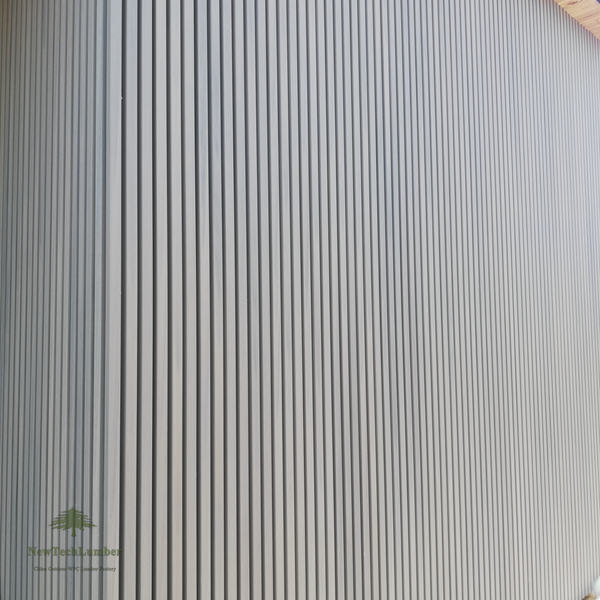
One of the primary advantages of WPC cladding is its versatility in design. Available in various colors, textures, and finishes, WPC can be tailored to suit a wide range of architectural styles, from sleek modern homes to rustic cottages. The ability to customize these materials allows architects to express their creativity while meeting the specific requirements of their projects. As a result, WPC cladding is becoming a popular choice for both new constructions and renovations.
The aesthetic qualities of WPC cladding are complemented by its practicality. Unlike traditional wood, WPC does not require regular painting or staining, significantly reducing maintenance costs and efforts. This low-maintenance characteristic is particularly appealing to homeowners who desire a beautiful exterior without the associated upkeep. WPC is also resistant to fading, warping, and insect damage, ensuring that the exterior remains visually appealing for years to come. This durability makes WPC cladding an ideal choice for various climates, from humid coastal regions to dry, arid environments.
Furthermore, WPC cladding contributes to energy efficiency in buildings. By providing an additional layer of insulation, it helps regulate indoor temperatures, reducing the need for excessive heating and cooling. This energy efficiency not only lowers utility bills but also enhances the overall comfort of a home or building. As energy costs continue to rise, the demand for materials that offer both aesthetic appeal and functional advantages will likely increase.
The market for WPC cladding is expanding rapidly, driven by increasing consumer awareness of sustainable practices and the desire for stylish, modern designs. Builders and developers are recognizing the potential of WPC as a competitive differentiator in the marketplace. With the ability to offer customers a product that aligns with their values while also enhancing the visual appeal of their properties, WPC cladding is becoming a go-to choice for modern construction projects.
Another notable aspect of WPC cladding is its contribution to reducing waste in the construction industry. By incorporating recycled materials, the production of WPC helps minimize the environmental impact associated with traditional building materials. As more consumers prioritize sustainability, WPC cladding aligns with their values and allows them to make informed choices about their building materials. This growing trend towards eco-friendly products is likely to bolster the demand for WPC cladding even further.

In addition to residential applications, WPC cladding is gaining traction in commercial projects as well. Businesses are increasingly seeking to create inviting and visually appealing facades that attract customers and enhance their brand image. The use of WPC cladding allows for the creation of stunning exteriors that stand out in competitive markets. Its ability to withstand the rigors of urban environments makes it a practical choice for commercial buildings that require durability alongside style.
The ease of installation is another factor contributing to the rising popularity of WPC cladding. Unlike traditional wood cladding, which can be labor-intensive and time-consuming to install, WPC is designed for quick and straightforward application. This efficiency not only saves time but also reduces labor costs, making it an economically attractive option for builders and contractors. The ability to complete projects more quickly without sacrificing quality is a significant advantage in today’s fast-paced construction environment.
As the demand for stylish and sustainable building materials continues to grow, WPC cladding stands out as a solution that meets both aesthetic and practical needs. It represents a shift towards more environmentally friendly construction practices while offering the flexibility and design options that modern architects and builders require. With its unique combination of beauty, durability, and sustainability, WPC cladding is poised to play a significant role in shaping the future of exterior design in the architectural landscape. The ongoing innovations in WPC technology will likely further enhance its appeal, making it a staple choice for future construction projects.