
Solutions for Common Capped composite decking problems You May Encounter
Capped composite decking has gained popularity in recent years due to its durability, low maintenance requirements, and aesthetic appeal. However, like any product, it is not without its challenges. Understanding common problems associated with capped composite decking and their solutions can greatly enhance customer satisfaction and prolong the lifespan of your deck. This article will explore several prevalent issues and provide actionable solutions to mitigate them.
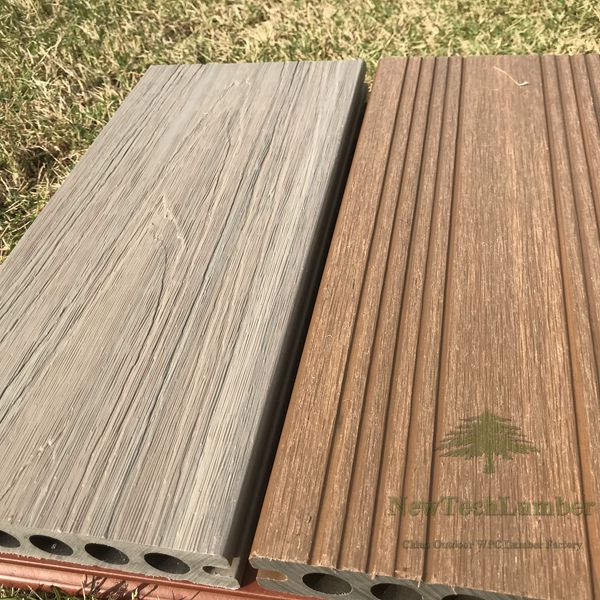
One of the most frequently encountered problems with capped composite decking is fading. Over time, exposure to sunlight can lead to a noticeable change in color, diminishing the aesthetic appeal of the deck. To combat this issue, manufacturers often recommend selecting products that come with UV protection. Additionally, regular cleaning with a mild detergent can help maintain the deck’s original color. It is also advisable to use outdoor rugs or furniture to provide shade and reduce direct sunlight exposure. When choosing a color for your deck, opting for lighter shades can also help in minimizing the effects of fading.
Another common issue is mold and mildew growth, which can occur in damp environments where ventilation is poor. Mold not only affects the appearance of the deck but can also pose health risks. To prevent mold growth, it is essential to keep the deck clean and dry. Regularly sweeping away debris and using a cleaning solution specifically designed for composite materials can effectively remove any existing mold. Furthermore, ensuring that the deck is properly installed with adequate drainage will help maintain a dry surface, reducing the likelihood of mold development.
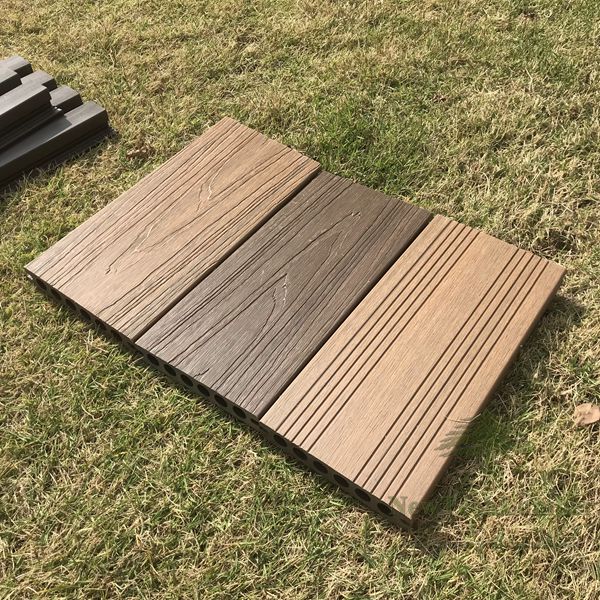
Warping and bending are structural issues that can arise from improper installation or extreme temperature fluctuations. These problems can compromise the integrity of the deck and create safety hazards. To address this, it is crucial to follow the manufacturer’s installation guidelines closely. This includes using the appropriate fasteners and allowing for proper expansion and contraction by leaving adequate gaps between boards. In areas with significant temperature variations, using boards that are designed to withstand such fluctuations can also be beneficial.
Scratching is another concern for homeowners, especially in high-traffic areas. While capped composite decking is designed to be more resistant to scratches than traditional wood, it is not entirely immune. To minimize the risk of scratching, consider using furniture pads or coasters under heavy items. Additionally, avoid dragging furniture across the deck’s surface. If scratches do occur, many products come with a repair kit that allows homeowners to touch up the affected area easily.
The accumulation of dirt and grime can detract from the appearance of capped composite decking. Regular maintenance is key to keeping the deck looking its best. A pressure washer can be an effective tool for cleaning, but it should be used with caution to avoid damaging the surface. Alternatively, a soft-bristle brush and a mixture of soap and water can be employed for routine cleaning. Establishing a regular cleaning schedule will help prevent the buildup of dirt and make maintenance tasks more manageable.
Another potential issue is the presence of gaps between the boards, which can occur due to settling or improper installation. These gaps can not only be unsightly but may also allow water to pool, leading to further problems. If gaps are noticeable, it may be necessary to adjust the fasteners or even re-install certain boards to ensure a snug fit. Homeowners should also be vigilant during the installation process to ensure that proper spacing is maintained from the outset.
One of the less common but serious issues is the potential for the deck to become slippery when wet. This can pose a safety hazard, especially in rainy or humid conditions. To address this concern, several solutions are available. Some manufacturers offer non-slip coatings that can be applied to the surface, increasing traction without compromising aesthetics. Additionally, incorporating textured boards or installing slip-resistant mats can help mitigate this issue.
For those living in areas with extreme weather conditions, another challenge can be the expansion and contraction of the decking material. This natural occurrence can lead to gaps or misalignment over time. To prevent this, homeowners should choose high-quality products that have been specifically engineered for durability in harsh climates. Proper installation techniques, including leaving adequate space for expansion, will also play a significant role in minimizing these effects.
Ultimately, while capped composite decking offers numerous benefits, it is essential to be aware of the potential challenges that may arise. By understanding these common problems and implementing the suggested solutions, homeowners can enjoy the advantages of their decking while ensuring its longevity and appearance. Regular maintenance, informed installation, and an awareness of product features will lead to a satisfying outdoor living experience.