
The Rise of Recycled Composite Decking
In recent years, the push for sustainable building materials has gained tremendous momentum, and recycled composite decking is at the forefront of this movement. This innovative material combines reclaimed wood fibres with recycled plastic, offering an eco-friendly alternative to traditional timber. Homeowners and designers alike are increasingly drawn to its aesthetic appeal and durability, making it an ideal choice for outdoor spaces. The versatility of recycled composite decking translates into a variety of design options that can elevate any environment, ensuring that sustainability does not come at the cost of style.
The combination of wood and plastic results in a product that is resistant to moisture, fading, and insects. This means that decks made from recycled composite materials can maintain their beauty and functionality for years, requiring minimal maintenance compared to traditional wood options. This long-lasting quality is particularly appealing in regions with diverse climates, as recycled composite decking can withstand harsh conditions without warping or splintering.
Design Options for Composite Decking
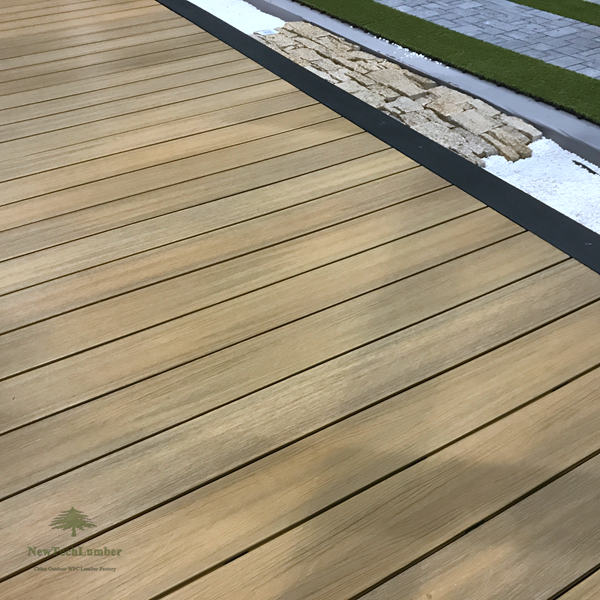
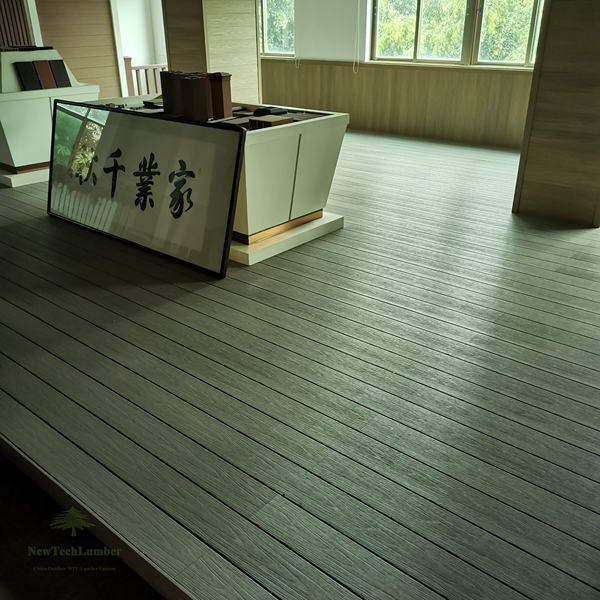
One of the most exciting aspects of recycled composite decking is the range of colours available. Manufacturers like NewTechLumber offer an extensive colour palette that mimics the natural hues of wood, from rich mahogany to light oak. This variety allows homeowners to select shades that complement their architectural style and enhance the overall aesthetic of their outdoor space. Additionally, many products come with fade-resistant technology, ensuring that these vibrant colours remain intact even after prolonged exposure to sunlight.
Beyond colour choices, embossed textures contribute significantly to the overall look and feel of composite decking. Available textures range from smooth finishes that create a contemporary look to more rustic, wood-like patterns that evoke a traditional charm. These embossed textures can provide not only visual appeal but also improved slip resistance, making outdoor areas safer for families and guests. Designers can creatively mix and match colours and textures to develop unique, personalised outdoor spaces that express individual styles.
WPC Cladding and Wall Panels
The trend towards sustainability extends beyond decking into the realm of cladding and wall panels. WPC wall panels, constructed from the same recycled composite materials, offer a consistent design language throughout a property. With a wide variety of colours and textures, these panels are ideal for both exterior and interior applications, allowing for a seamless flow between indoor and outdoor environments.
Architects and designers can utilise these panels to create striking feature walls that are both practical and visually stunning. The moisture resistance of WPC wall panels makes them suitable for areas prone to humidity, such as bathrooms or kitchens, while their elegant appearance can enhance the aesthetic of any living space. Furthermore, the use of recycled materials in these panels adds a layer of sustainability that appeals to eco-conscious buyers.
Finishes and Customisation
Customisation options are yet another advantage of recycled composite decking and WPC wall panels. Many manufacturers offer various finishes that can dramatically alter the appearance of a surface. From matte to gloss finishes, the choice can be tailored to suit personal preferences or the specific requirements of a project. This flexibility allows for the creation of bespoke designs that can range from modern minimalism to luxurious elegance.
Moreover, the ability to incorporate various accessories, such as LED lighting and built-in seating, further enhances the functionality of these materials. By integrating features like these into the design, outdoor spaces can be transformed into inviting areas for entertainment and relaxation, showcasing the versatility of recycled composite materials.
Environmental Impact and Longevity
Choosing recycled composite decking and wall panels not only benefits individual projects but also contributes positively to the environment. The use of recycled materials reduces the demand for virgin timber, aiding in the preservation of forests and natural habitats. Additionally, the energy used in producing these materials is significantly lower than that required for traditional wood processing, further reducing the carbon footprint associated with building projects.
The longevity of recycled composite materials also plays a role in their sustainability. By investing in durable products, homeowners can decrease the frequency of replacements and repairs, leading to less waste over time. This long-term perspective aligns well with the growing awareness of environmental responsibility, encouraging more people to consider sustainable options for their construction and renovation needs.