
Quality WPC Composite Decking Malaysia for Local Projects
When it comes to outdoor projects in Malaysia, the choice of materials can significantly impact the longevity and aesthetic appeal of the structures. One material that has gained popularity in recent years is Wood Plastic Composite (WPC) decking. This innovative material combines the best features of wood and plastic, offering a solution that is not only durable but also low-maintenance. Understanding the installation and maintenance aspects of WPC composite decking is essential for ensuring its performance and lifespan in local projects.
WPC composite decking is manufactured from a blend of wood fibers and recycled plastic. This combination creates a product that mimics the appearance of natural wood while providing enhanced resistance to environmental factors. One of the primary advantages of WPC decking is its resistance to moisture, which is particularly beneficial in Malaysia’s tropical climate. With high humidity and frequent rain, traditional wood decking can warp, rot, or develop mold over time. WPC decking, on the other hand, is designed to withstand these conditions, making it an ideal choice for outdoor applications.
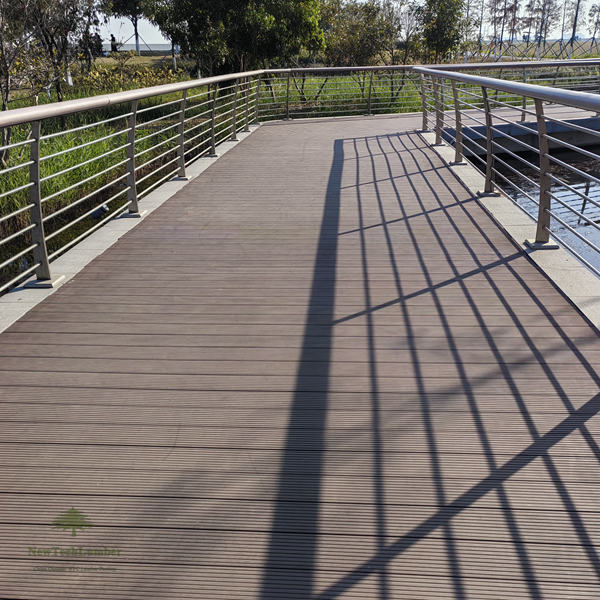
When considering the installation of WPC composite decking, it is crucial to follow specific guidelines to achieve the best results. First, proper site preparation is essential. The area where the decking will be installed should be cleared of debris, and a stable foundation should be created. It is advisable to use a gravel or concrete base to provide adequate drainage and support. This step helps prevent water accumulation beneath the decking, which can lead to structural issues over time.
The next step involves laying out the decking boards. It is important to account for expansion and contraction that may occur due to temperature fluctuations. Leaving a small gap between the boards allows for this natural movement, ensuring that the decking remains intact and does not buckle. Additionally, using a proper fastener system is vital for securing the boards in place. Many manufacturers recommend using hidden fasteners, which provide a clean look while enhancing the structural integrity of the decking.
For those who prefer a DIY approach, the ease of installation is one of the appealing aspects of WPC decking. However, it is important to have the right tools on hand, including a circular saw for cutting the boards, a drill for securing fasteners, and a measuring tape to ensure precision. Following the manufacturer’s guidelines for installation will help avoid common pitfalls and ensure a successful outcome.

Once the installation is complete, maintenance becomes the next priority. One of the significant benefits of WPC composite decking is its low-maintenance nature. Unlike traditional wood, which requires regular staining and sealing, WPC decking typically only needs occasional cleaning to maintain its appearance. A mild soap solution and a soft brush are usually sufficient to remove dirt and debris. For more stubborn stains, a pressure washer can be used, but it is essential to follow the manufacturer’s recommendations to prevent damage to the surface.
Regular maintenance not only keeps the decking looking good but also helps to extend its lifespan. Inspecting the decking periodically for any signs of wear or damage is crucial. This includes checking for loose boards or fasteners and addressing any issues promptly. If any sections of the decking become discolored or scratched, there are specific cleaning solutions available that can help restore the surface without the need for replacement.
Another aspect of maintenance involves protecting the decking from heavy furniture or sharp objects that can cause dents or scratches. Using furniture pads or coasters can minimize the risk of damage. Additionally, it is advisable to avoid leaving heavy items in the same spot for extended periods, as this can lead to uneven wear.
It is also important to consider the environmental impact of WPC decking. Many manufacturers focus on sustainability by using recycled materials in their products. This eco-friendly aspect appeals to homeowners and builders who are conscious of their carbon footprint. Additionally, WPC decking is often free from harmful chemicals found in traditional treated wood, making it a safer choice for families and pets.
In Malaysia, where outdoor living spaces are increasingly popular, WPC composite decking presents a practical solution for homeowners and contractors alike. Its combination of durability, low maintenance, and aesthetic appeal makes it a preferred choice for patios, balconies, and pool decks. By understanding the installation and maintenance requirements, local projects can benefit significantly from this innovative material, ensuring that outdoor spaces remain beautiful and functional for years to come.