
Site Preparation for WPC Decking and Wall Cladding Installation
As an outdoor WPC installation technician, I begin every project by checking the installation area, measuring dimensions, and confirming that the surface is suitable for composite materials. A stable foundation is essential because WPC decking and wall cladding systems rely on accurate alignment and consistent support. Before any boards are installed, I inspect the ground condition, drainage direction, wall structure, and environmental exposure to ensure the finished system can perform reliably for many years.
The first stage involves preparing the subframe. For decking applications, I install treated aluminium or galvanised support joists according to the board specification and expected load requirements. The joists must be level, evenly spaced, and securely anchored to prevent movement. For wall cladding, vertical or horizontal battens are fixed to the building surface with suitable fasteners, creating a ventilation gap behind the panels. This airflow reduces moisture accumulation and helps protect the structure.
Fixing Methods for Stable WPC Board Systems
After the subframe is completed, I begin fixing the WPC boards carefully to maintain accurate spacing and appearance. Hidden clips are commonly used for decking because they create a clean surface without visible screws. Starter clips are installed at the edge of the frame, followed by intermediate clips that hold each board in position while allowing natural expansion. Stainless steel screws are recommended because outdoor environments can expose fixings to humidity and temperature changes.
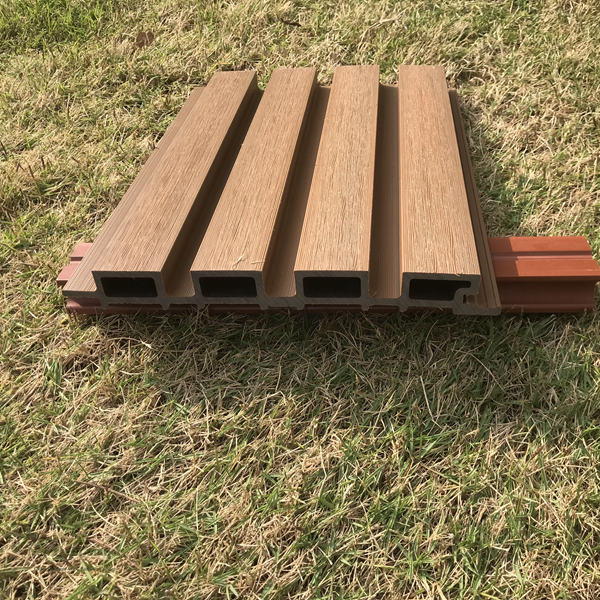
For wall cladding projects, I attach panels or boards using concealed clips, screws, or manufacturer-approved fastening systems depending on the profile design. A professional wpc wall panel factory usually provides installation instructions that match the material structure, ensuring the fixing method supports long-term stability. I always avoid overtightening screws because excessive pressure can restrict movement and create stress around fixing points.
Expansion Gaps and Accurate Cutting Procedures
Temperature changes affect all outdoor composite materials, so expansion gaps must be planned before installation. I leave suitable spacing between boards, around edges, and near fixed structures such as walls, posts, and drainage channels. The exact gap size depends on board length, climate conditions, and product guidelines. Correct spacing prevents buckling during hot weather and allows the system to adjust naturally through seasonal changes.
Cutting WPC boards requires clean tools and careful measurements. I use a fine-tooth circular saw or recommended cutting equipment to achieve smooth edges without damaging the surface layer. Before cutting, I mark each board clearly and check the final position twice. For wall cladding corners and openings around windows or doors, accurate cuts create a professional finish and reduce material waste. Protective equipment is also necessary during cutting to manage dust and small particles.
Installation Checks During Project Completion
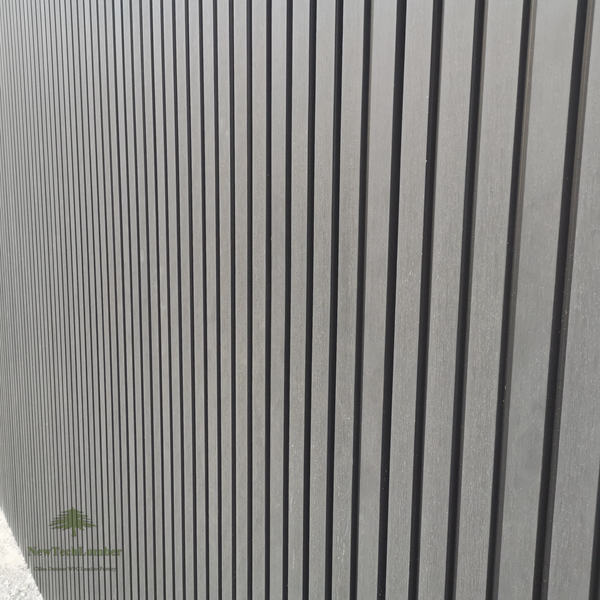
During installation, I regularly inspect alignment, spacing, and fixing strength rather than waiting until the final stage. Each decking row should remain straight, and every wall panel should follow the planned line of the facade. Small adjustments made early prevent larger corrections later. I also check that drainage paths remain open beneath decking areas and that ventilation spaces behind cladding have not been blocked.
A reliable installation process supports the goals of manufacturers, designers, and building professionals who choose sustainable outdoor materials. Modern WPC products combine recycled resources with engineering improvements that reduce maintenance demands compared with traditional timber. Factory production standards, material testing, and skilled installation work together to create outdoor spaces suitable for residential, commercial, and landscape projects.
Maintenance Advice for Long-Term WPC Performance
Once the decking or wall cladding system is installed, regular maintenance keeps the surface attractive and functional. I recommend cleaning WPC surfaces with water and a soft brush to remove dust, leaves, and general outdoor dirt. For stubborn marks, a mild cleaning solution can usually restore the appearance without affecting the protective finish.
Periodic inspections are valuable, especially after extreme weather conditions. I check for loose fixings, blocked drainage areas, or damaged sections that may require adjustment. WPC systems do not need painting or sealing like traditional wood, but proper care helps maintain colour stability and surface quality. A careful installation method combined with routine checks allows outdoor WPC structures to deliver dependable performance while supporting sustainable building practices.