
Plastic Wood Texture Design For Sustainable Landscape Projects
As a WPC application engineer, I focus on creating outdoor solutions that combine natural appearance, long service life, and practical installation requirements. Modern sustainable landscape projects increasingly use wood plastic composite materials because they reduce dependence on traditional timber while maintaining an attractive outdoor finish. A carefully developed plastic wood texture gives WPC products the visual character of natural wood grain, including realistic colour variation, surface depth, and tactile details suitable for different architectural environments.
The design process begins with selecting the right material formula, surface embossing method, and protection technology. For outdoor applications, WPC products must resist moisture, UV exposure, temperature changes, and daily wear. A balanced plastic wood texture helps designers achieve a natural landscape style while providing the performance expected from engineered materials. This makes WPC suitable for projects that require both environmental consideration and reliable long term use.
Residential Gardens And Private Outdoor Spaces
Residential gardens are one of the most common application areas for outdoor WPC products. Homeowners often use WPC decking around patios, garden pathways, terraces, and outdoor dining areas because the material provides a warm timber appearance without the frequent maintenance required by traditional wood. The plastic wood texture can be matched with modern houses, traditional villas, and natural garden designs.
For garden projects, I usually recommend selecting surfaces with suitable slip resistance and drainage performance. WPC boards can be installed around seating areas, flower beds, and outdoor leisure zones to create clear functional spaces. Fences, pergolas, and decorative wall panels made from coordinated WPC colours also help create a consistent landscape style while improving weather resistance.
Commercial Landscapes, Hotels And Public Parks
Commercial landscapes require materials that can handle intensive use while maintaining visual quality. Hotels, resorts, restaurants, and shopping areas often use outdoor WPC products for walkways, viewing platforms, garden bridges, and outdoor recreation zones. A realistic plastic wood texture allows designers to create premium outdoor environments where visitors experience a natural atmosphere with lower maintenance demands.
In parks and public facilities, WPC applications include benches, landscape structures, pedestrian areas, and decorative installations. Engineers must consider load capacity, safety standards, cleaning requirements, and long term colour stability. For these projects, the correct WPC profile design and installation system are as important as surface appearance. Proper spacing, support structure, and fixing methods ensure reliable performance in changing outdoor conditions.
Balconies And Swimming Pool Area Applications
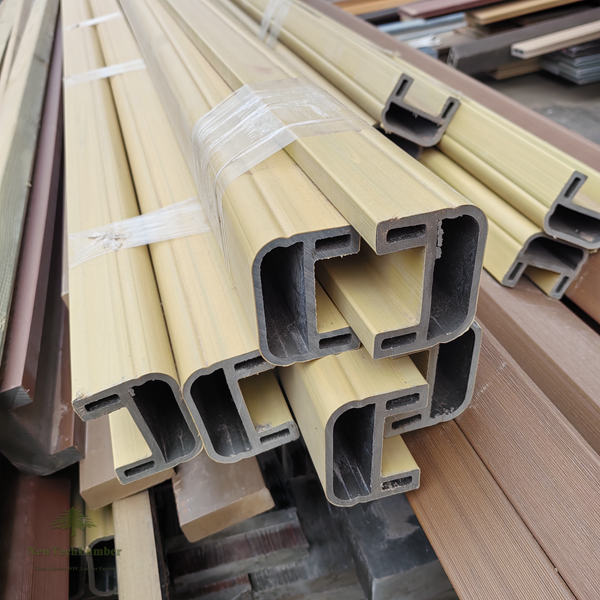
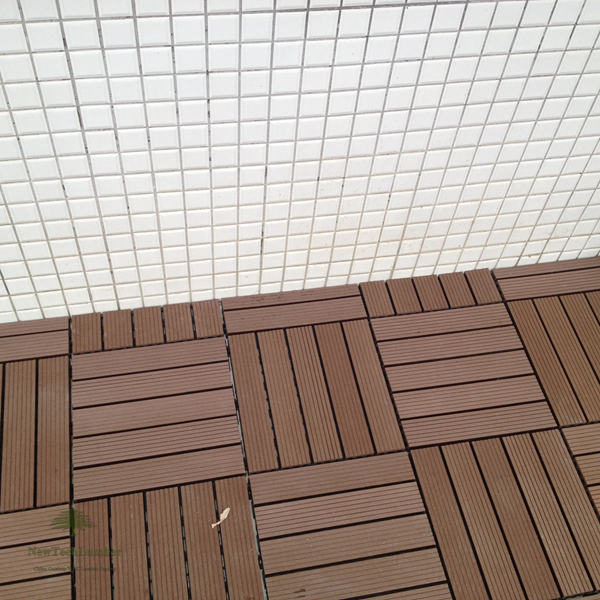
Balconies and swimming pool surroundings require materials with strong resistance to humidity and frequent contact with water. Outdoor WPC decking is widely applied in these locations because it does not absorb water like untreated timber and does not require regular painting or sealing. The plastic wood texture creates a comfortable visual connection between buildings, gardens, and water features.
For balcony projects, I suggest considering board thickness, ventilation space, and installation height according to the building structure. Around swimming pools, slip resistant surfaces and suitable drainage designs are essential. WPC poolside flooring can provide a stable walking surface while supporting a clean, contemporary landscape appearance for private and commercial swimming areas.
Professional Design Recommendations For WPC Landscape Projects
Architects, landscape consultants, and product designers should evaluate the entire project environment before selecting WPC materials. Climate conditions, expected foot traffic, maintenance plans, and visual requirements all influence the most suitable product choice. Outdoor WPC products can be customised in different colours, profiles, and finishes to support OEM projects and specialised landscape concepts.
From my engineering perspective, successful WPC applications depend on cooperation between material suppliers, designers, installers, and project managers. A well planned solution considers manufacturing quality, packaging protection, installation details, and after sales support. Sustainable building projects benefit from WPC because it offers a practical alternative to traditional outdoor materials while maintaining an attractive wood inspired appearance. With advanced manufacturing technology, plastic wood texture design continues to expand possibilities for residential gardens, commercial landscapes, hotels, parks, balconies, swimming pool areas, and public facilities.