
Modern Composite Decking Designs for Sustainable Outdoor Spaces
As an outdoor WPC product designer, I focus on creating composite decking systems that combine natural appearance with reliable outdoor performance. Modern plastic wood deck material is designed to support sustainable construction by reducing dependence on traditional timber while offering consistent quality, dimensional stability, and long service life. Today’s outdoor projects demand surfaces that fit residential gardens, commercial terraces, hospitality areas, and landscape developments without compromising visual appeal.
Contemporary decking design has moved beyond simple brown boards. Designers now develop colour collections inspired by natural environments, including warm oak tones, charcoal shades, coastal greys, and mixed grain finishes. These colours allow architects and landscape consultants to create outdoor areas that connect with buildings, plants, and surrounding spaces. Advanced surface textures replicate the appearance of wood grain while improving slip resistance and maintenance efficiency, making composite products suitable for year-round outdoor use.
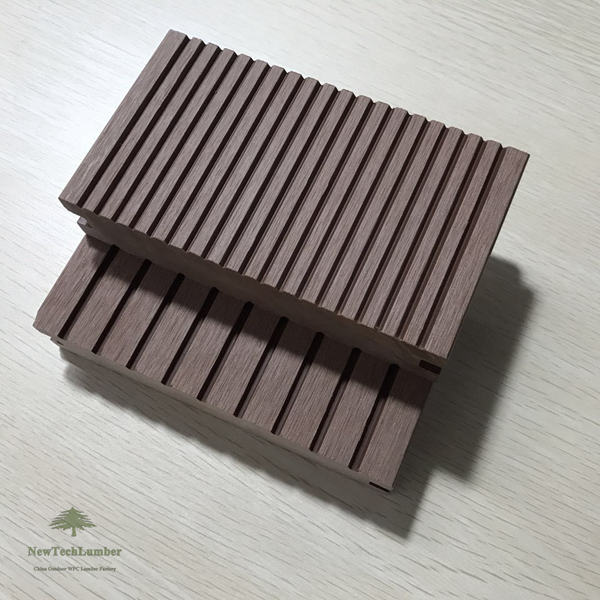
Colour, Texture and Profile Innovation in WPC Products
Colour variation is one of the strongest design trends in WPC manufacturing. Instead of a single uniform tone, many modern boards feature multi-colour effects that create a more realistic timber appearance. This approach helps outdoor designers achieve premium visual results while maintaining the practical advantages of composite materials. The same design principles are applied to wall panels, fences, pergolas, gazebos, and other landscape products, creating coordinated outdoor environments.
Profile engineering also influences both appearance and function. Hollow and solid profiles are developed for different applications, from lightweight decorative projects to high-load commercial installations. Hidden fastening systems, edge finishes, and matching accessories create cleaner surfaces with fewer visible connections. These details are important for architects, installation technicians, and project managers who need reliable solutions with refined visual standards.
Modular WPC Systems for Flexible Outdoor Architecture
Modern outdoor construction increasingly uses modular design concepts because they allow faster installation and easier project adaptation. WPC decking boards, wall cladding panels, fencing systems, and pergola components can be designed with compatible dimensions and accessories. This creates flexible solutions for gardens, balconies, resorts, public parks, and urban landscape projects.
For product designers, modular development means considering the complete outdoor experience rather than individual products. A matching deck surface, privacy fence, decorative wall panel, and pergola structure can transform an ordinary area into a functional outdoor room. Consistent textures and colours help different elements work together, while replaceable components simplify future maintenance and upgrades.
Design Considerations for Outdoor WPC Applications
Every outdoor product must balance aesthetics with technical requirements. Decking needs suitable load capacity and drainage design, while wall panels require weather resistance and secure fixing methods. Fences must provide privacy and stability, and pergolas or gazebos need structural coordination between profiles, connectors, and installation methods. These factors guide the development of WPC solutions for different climates and project conditions.
Sustainable design is also influencing material selection across the construction industry. Plastic wood deck material often incorporates recycled polymers and wood fibres, helping manufacturers reduce waste and support responsible resource management. For international projects, durability, low maintenance requirements, and long replacement cycles are valuable features that support greener building strategies.
Custom WPC Solutions for Global Outdoor Projects
OEM development has become an important part of the WPC industry because different markets require specific colours, dimensions, textures, and performance standards. As a designer, I work with production teams, engineers, and quality specialists to create products that match regional preferences and installation practices. Custom moulds, surface patterns, and profile structures allow manufacturers to provide unique solutions for residential and commercial applications.
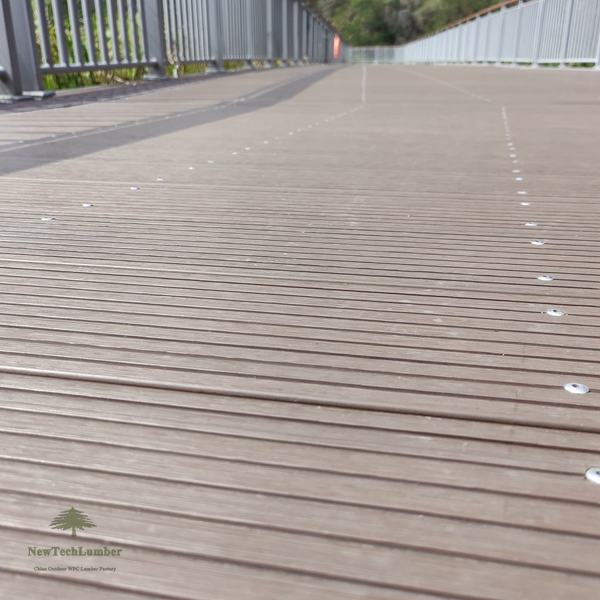
International buyers are also paying greater attention to design consistency and packaging efficiency. A complete WPC product range must include protective packaging, clear installation guidance, and dependable after-sales support. These elements help distributors, contractors, and construction professionals deliver successful outdoor projects with confidence.
Future Trends in Sustainable Landscape Design
The future of outdoor WPC design is moving towards more personalised, adaptable, and environmentally responsible solutions. Designers are combining natural visual elements with advanced manufacturing technology to create products that meet modern architectural expectations. Improved textures, wider colour selections, and intelligent modular systems will continue shaping the development of decking, wall panels, fences, pergolas, gazebos, and landscape products.
Plastic wood deck material represents more than an alternative to traditional timber. It provides designers and builders with a versatile foundation for outdoor spaces that require beauty, performance, and sustainable thinking. Through careful attention to profiles, finishes, and system integration, WPC products can support creative outdoor environments for homes, commercial properties, and large-scale landscape projects.