
The Benefits of Plastic Wood Composite
Plastic wood composite has emerged as a leading choice for outdoor decking and cladding, combining the natural aesthetics of wood with the durability of synthetic materials. This innovative material is manufactured from a blend of recycled plastics and wood fibres, resulting in a product that is not only environmentally friendly but also exceptionally resilient against the elements. The fusion of these materials allows for a reduction in maintenance costs and offers long-lasting performance that traditional wood cannot match.
One of the key advantages of plastic wood composite is its resistance to rotting, warping, and splintering, which are common issues faced by wooden decking. As a result, this material holds up well in various weather conditions, making it an ideal choice for outdoor installations. Furthermore, its non-slip surface provides an added layer of safety for families and guests, ensuring peace of mind when enjoying outdoor spaces.
Installation Systems for Ease of Use
The installation of plastic wood composite decking and cladding is streamlined by advanced systems that allow for straightforward assembly. Many manufacturers have developed interlocking designs and hidden fastening systems, which eliminate the need for visible screws and nails. This not only enhances the aesthetic appeal of the finished product but also simplifies the installation process, enabling quicker project completion.
Adjustable pedestals are another innovative solution that supports the installation of plastic wood composite decking. These pedestals allow for precise height adjustments, accommodating uneven surfaces and providing excellent drainage. This feature is particularly beneficial for commercial projects or residential gardens where the ground may not be level. The use of adjustable pedestals also prevents water pooling under the deck, further extending the lifespan of the material.
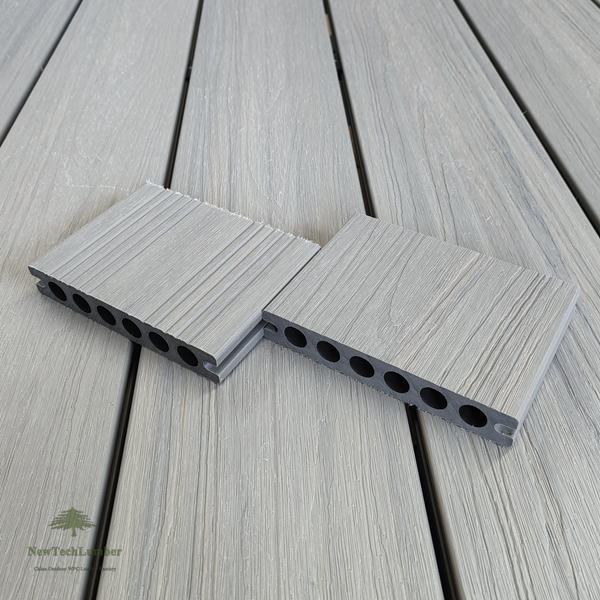
Sourcing Plastic Wood Composite from China
International buyers looking to source plastic wood composite decking and panels often turn to Chinese manufacturers due to their extensive production capabilities and competitive pricing. The country has become a hub for the manufacturing of WPC materials, offering a range of products that meet international quality standards. Chinese manufacturers typically employ advanced technology and sustainable practices, making them reliable partners for global buyers.
When importing plastic wood composite from China, it is essential for buyers to consider the certifications and quality assurances provided by manufacturers. Many companies comply with international testing standards, ensuring their products are free from harmful chemicals and suitable for long-term use in outdoor applications. Establishing a good relationship with suppliers can also lead to better pricing, custom designs, and timely deliveries, all crucial factors in the procurement process.

Durability and Aesthetic Appeal
The durability of plastic wood composite is complemented by its versatility in design. Available in a variety of colours, textures, and finishes, this material can mimic the appearance of natural wood without the drawbacks associated with it. Whether for a modern commercial project or a traditional residential space, plastic wood composite can be tailored to suit different architectural styles and personal preferences.
This adaptability makes it a popular choice for outdoor cladding as well. With the ability to withstand the rigours of sun exposure, rain, and snow, WPC wall panels maintain their colour and structural integrity over time. This ensures that buildings not only look attractive but also require minimal maintenance, freeing owners from the burdens typically associated with exterior upkeep.
Environmental Considerations
Choosing plastic wood composite is also an environmentally conscious decision. The use of recycled materials in its production significantly reduces the demand for virgin timber, aiding in the preservation of forests and ecosystems. Additionally, WPC materials are fully recyclable at the end of their life cycle, aligning with sustainable building practices and contributing to a circular economy.
As consumers and builders become increasingly aware of their environmental impact, the demand for eco-friendly materials like plastic wood composite continues to rise. This trend encourages further innovation in the production of WPC products, paving the way for enhanced performance and sustainability in outdoor construction.