
Outdoor WPC Wall Cladding: Enhance the Look and Protection of Your Outdoor Walls
In recent years, outdoor wall cladding has gained significant popularity among property owners and builders looking for a combination of aesthetic appeal and durability. Among the various materials available, Wood Plastic Composites, or WPC, have emerged as a leading choice for outdoor wall cladding applications. This innovative material combines the best properties of wood and plastic, resulting in a product that not only looks great but also provides excellent protection against the elements. Understanding the production process of WPC can shed light on why it is such an effective solution for outdoor wall cladding.
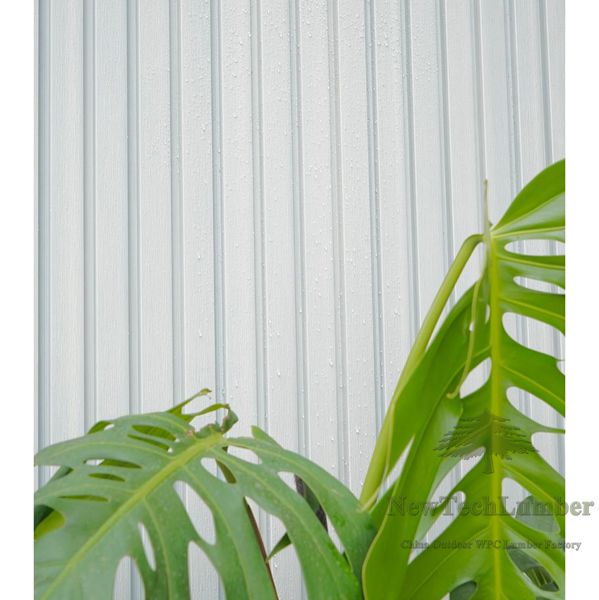
WPC is manufactured through a meticulous process that starts with the selection of raw materials. The primary components of WPC are wood fibers and thermoplastic resins, often polyethylene or polypropylene. The wood fibers typically come from recycled wood waste, which not only reduces landfill waste but also contributes to the sustainability of the material. The choice of wood fibers is crucial, as they influence the final appearance and performance of the WPC. Common types of wood fibers used include sawdust, wood shavings, and even recycled paper.
Once the raw materials are selected, the production process begins with the compounding stage. Here, wood fibers are mixed with the thermoplastic resin and other additives, such as colorants and UV stabilizers. The blending of these materials is done using high-temperature extrusion processes that help to ensure a homogeneous mixture. This stage is critical as it determines the final properties of the WPC, including its strength, flexibility, and resistance to moisture and pests.

Following compounding, the mixture undergoes a process known as extrusion. This involves forcing the blended materials through a specially designed die to create long, continuous profiles of WPC. These profiles can be customized in various shapes and sizes to suit different design requirements. The extrusion process is highly efficient and allows for the production of large quantities of WPC quickly. Once extruded, the profiles are cooled and cut to the desired lengths, ready for further processing.
After the initial extrusion, the WPC profiles can undergo additional treatments to enhance their characteristics. One common method is surface treatment, which can involve sanding, brushing, or adding a textured finish. These treatments not only improve the appearance of the cladding but also increase its resistance to wear and fading due to UV exposure. Some manufacturers may also apply a protective coating to enhance water resistance and further prolong the lifespan of the cladding.
Installation of WPC wall cladding is another area where its production process plays a significant role. The lightweight nature of WPC makes it easier to handle and install compared to traditional materials like natural wood or stone. This can lead to reduced labor costs and faster project completion times. Additionally, WPC can be easily cut, drilled, and shaped using standard woodworking tools, making it a versatile option for various architectural designs.
One of the key advantages of WPC wall cladding is its outstanding durability. The combination of wood and plastic results in a material that is resistant to rot, insects, and moisture. Unlike traditional wood, WPC does not warp or splinter, making it an ideal choice for outdoor applications where exposure to the elements is a concern. This durability translates into lower maintenance costs over time, as homeowners and property managers need not worry about regular treatments or replacements.
Another significant benefit of WPC wall cladding is its eco-friendliness. As a composite material made from recycled wood and plastics, WPC contributes to a circular economy by minimizing waste and reducing the demand for virgin materials. Furthermore, the production process of WPC generally consumes less energy compared to that of traditional materials, resulting in a lower carbon footprint.
From a design perspective, WPC wall cladding offers a wide range of aesthetic options. Available in various colors, textures, and finishes, WPC can mimic the appearance of natural wood while providing superior performance. This versatility allows architects and designers to create stunning facades that enhance the visual appeal of any property, whether residential or commercial.
In addition to its visual and functional benefits, WPC wall cladding is also a cost-effective solution. While the initial investment may be comparable to that of high-quality wood products, the long-term savings associated with reduced maintenance and replacement costs make WPC a financially sound choice for property owners.
The production process of WPC wall cladding illustrates the careful consideration that goes into creating a material that meets the demands of modern construction. By combining sustainable practices with advanced manufacturing techniques, WPC has positioned itself as a top choice for outdoor wall cladding. Its durability, aesthetic flexibility, and eco-friendliness make it an ideal solution for enhancing the look and protection of outdoor walls. As the trend towards sustainable building materials continues to grow, WPC is poised to play a significant role in shaping the future of exterior design and construction.