
Composite Decking Railing SEO Content and International Buyer Requirements
International buyers evaluating composite decking railing products need more than attractive photographs and broad claims about durability. They require evidence that a wood plastic composite (WPC) formulation can withstand local weather, installation conditions and long-term outdoor exposure. From a formulation development engineer’s perspective, effective B2B SEO content should connect material composition with measurable product performance, helping distributors, contractors and OEM customers assess technical suitability before requesting a quotation.
High-performance WPC begins with a controlled balance of wood fibre, thermoplastic polymer and functional additives. The formulation must deliver adequate stiffness, dimensional stability, moisture resistance and processing consistency without making the finished product unnecessarily expensive. SEO content becomes more valuable when these engineering considerations are explained in practical terms, using relevant specifications and application-based language that international procurement teams recognise.
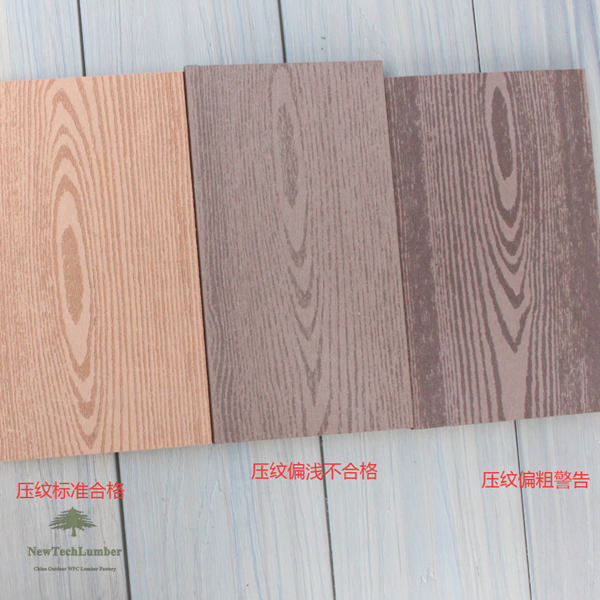
Wood Fibre and Plastic Ratios for Outdoor Performance
Wood fibre contributes rigidity, texture and a natural appearance, while the polymer matrix binds the material and helps limit moisture penetration. Many conventional WPC formulations contain approximately 50 to 70 per cent wood fibre by weight, although the suitable proportion depends on polymer type, fibre characteristics, product geometry and performance requirements. Higher fibre loading can reduce raw material costs, but it may also increase water absorption, processing difficulty and the risk of dimensional changes if the polymer does not adequately encapsulate the particles.
Increasing the plastic ratio can improve encapsulation, surface consistency and resistance to moisture, but virgin polymer is often a significant cost component. The objective is not simply to maximise plastic or minimise wood content. It is to identify a formulation window that meets mechanical and weathering requirements at a commercially viable cost. For composite decking railing, this balance matters because deck boards and railing components may experience different loading conditions, exposure levels and dimensional tolerances. SEO articles should explain these distinctions rather than treating every outdoor WPC profile as interchangeable.
Additives That Extend WPC Product Lifespan
Additives help transform a basic wood and plastic mixture into a material suited to demanding outdoor applications. Coupling agents, such as maleic anhydride grafted polyolefins, can improve compatibility between wood fibres and the polymer matrix. Lubricants support melt flow and extrusion stability, while pigments and UV stabilisers help maintain colour and reduce weathering-related degradation. Antioxidants can protect susceptible polymers during processing and service, particularly where elevated temperatures or prolonged exposure may accelerate oxidation.
Moisture management also begins before extrusion. Wood fibre should be dried to a controlled moisture level, and particle size distribution should remain consistent between production batches. Poor drying can cause voids, surface defects and inconsistent mechanical properties. For outdoor decking, wall cladding, fencing, pergolas and landscape products, additive selection should reflect the intended climate, colour, profile thickness and maintenance expectations. Content targeting international buyers should distinguish laboratory-tested performance from general supplier claims and identify relevant testing methods where available.
Application-Specific Formulation and Extrusion Control
Decking boards require a balance of bending stiffness, impact resistance, slip performance and resistance to repeated wetting and drying. Railing systems introduce additional concerns, including connection strength, fastener retention and resistance to loads applied through posts and rails. A formulation suitable for a wide decking board may not automatically meet the requirements of a slender railing profile. Product geometry, internal reinforcement, support spacing and installation design must be considered alongside material composition.
Wall cladding benefits from dimensional stability and reliable colour retention, while fencing profiles need sufficient stiffness and resistance to wind-related movement. Pergolas and landscape components may require greater section strength or improved resistance to prolonged outdoor exposure. During extrusion, melt temperature, screw configuration, feeding consistency and cooling conditions influence the final product. A well-developed formulation cannot compensate for uncontrolled processing. B2B SEO content should therefore connect product applications with quality control, manufacturing capability and the limits of the tested specification.
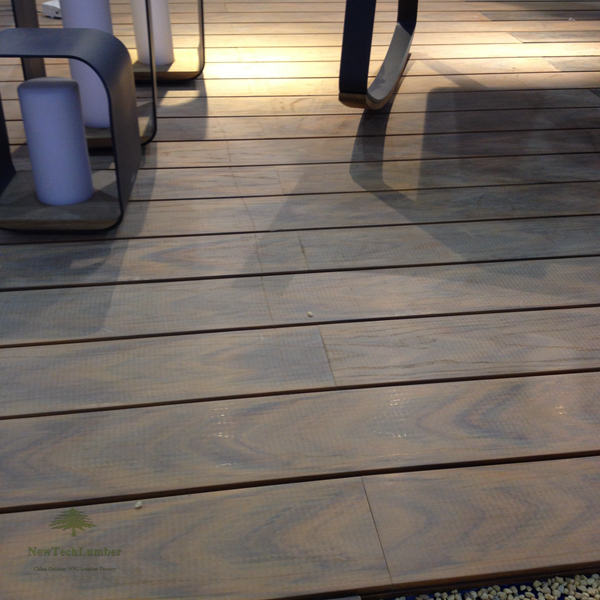
Cost Control Without Compromising Service Life
Material cost should be evaluated against expected service life rather than purchase price alone. Recycled polymers and recovered wood fibres may improve cost efficiency and support circular material strategies, provided their quality is controlled. Variations in polymer melt flow, contamination, fibre moisture and particle size can affect extrusion stability and finished-product consistency. Incoming material inspection, batch traceability and routine mechanical testing help manufacturers identify these risks before they lead to production losses or field failures.
For international buyers, the most useful SEO content links formulation choices to verifiable evidence, including water absorption, dimensional change, flexural properties, weathering results and applicable fire performance data. Manufacturers should avoid promising a universal lifespan because actual durability depends on climate, installation, maintenance and product design. Clear technical pages covering composite decking railing, formulation options, application suitability and quality assurance can attract more qualified B2B enquiries. By explaining how engineering decisions influence performance and total ownership cost, WPC manufacturers give overseas buyers a sounder basis for evaluating products, comparing suppliers and specifying materials for long-term outdoor use.
`,tags:[“composite decking”,”WPC formulation”,”composite railing”,”outdoor WPC”,”WPC manufacturing”],topic:”decking”},null,2)}