
Assessing Composite Decking Options
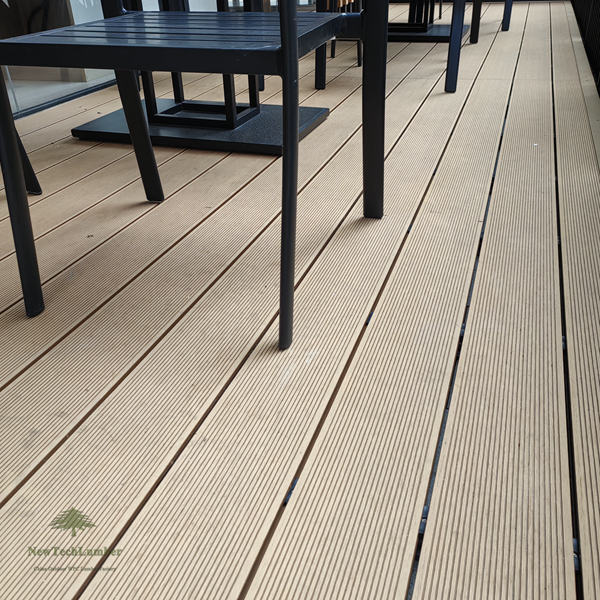
When considering outdoor improvements, selecting the right decking material is paramount. A thorough composite decking comparison can help identify the best choice that aligns with both aesthetic preferences and functional needs. In recent years, wood-plastic composites (WPC) have gained significant traction, offering a blend of durability and low maintenance. Potential buyers should consider factors such as material composition, lifespan, weather resistance, and overall design versatility. It is vital to examine how different brands stack up in terms of their offerings, warranties, and customer service.
Each manufacturer has its unique formulation and quality control processes, which directly impact the product’s performance. A meticulous examination of both physical samples and specifications provided in quotations is imperative. This initial phase ensures that dealers and distributors understand the materials they are working with, guaranteeing they meet market demands and consumer expectations.
International Purchasing Process
The journey of acquiring outdoor WPC products begins with the international purchasing process. This involves obtaining quotations from various suppliers, which typically highlight price per unit, minimum order quantities, and lead times for delivery. Transparency during this phase is crucial, as it sets the foundation for trust between manufacturers and potential buyers. The supplier should provide detailed specifications and test results to facilitate an informed decision-making process.
Upon receiving and reviewing quotations, it is essential to request samples before proceeding with a larger order. Sample approval serves as an assurance of quality, allowing buyers to physically assess the materials. This step is particularly important when making a composite decking comparison, as the tactile and visual qualities of the decking can significantly influence the final choice.
Packaging Considerations
Once the samples are approved, the subsequent step involves discussions around packaging. Proper packaging of WPC products is essential to prevent damage during transit and storage. Suppliers must ensure that their packaging not only protects the product but also adheres to international shipping regulations. This means considering factors such as weight distribution, moisture barriers, and the use of recyclable materials in packaging design.

Efficient packaging can also impact logistics costs, making it an important consideration in the overall pricing strategy. The aim is to deliver the products in pristine condition while being mindful of the environmental footprint. Buyers should communicate their specific packaging needs to the supplier to find a balance between protection and sustainability.
Container Laad- en verzenddocumenten
After packaging is finalised, the next stage is container loading. Coordination with the shipping department is vital to ensure that products are loaded correctly and efficiently. Thus, an accurate inventory list should be prepared, detailing the number of packages, dimensions, and weights. This list is important for customs declarations and will affect the shipping cost.
In tandem with loading, shipping documents must be meticulously prepared. These documents typically include the bill of lading, commercial invoice, packing list, and any certificates required by the importing country. Errors or omissions in the paperwork can lead to significant delays and extra costs, thus it pays to double-check all information before dispatch.
Samenwerking met overzeese distributeurs
Collaboration with overseas distributors is another key element in the purchasing process. Distributors often have a better understanding of local market trends and customer preferences, which can be instrumental in successfully introducing new WPC products. Establishing strong relationships with these partners can facilitate smoother transactions, from negotiations to post-purchase support.
Furthermore, effective communication with distributors ensures that any concerns about product performance or customer satisfaction are promptly addressed. As they often act as the first point of contact for end users, maintaining clear lines of communication will enhance the buyer’s overall experience and build long-term loyalty to the brand.
Final Steps and After-Sales Service
Once the products have been shipped and received, after-sales service plays a crucial role in ensuring customer satisfaction. This can include installation support, warranty information, and advice on maintenance practices. An effective after-sales service can enhance the consumer’s experience and reinforce the value of the product, leading to positive reviews and repeat business.
International buyers should ensure that their suppliers are committed to providing robust after-sales support. By maintaining an open dialogue with both suppliers and customers, companies can glean valuable insights into product performance in real-world conditions, informing future product development and strategic decisions.