
Composite Cladding Systems and Material Selection for Exterior Projects
Exterior walls influence a building’s appearance, weather resistance, maintenance demands, and long-term operating costs. As an architectural material consultant, selecting the right façade solution requires comparing performance rather than focusing only on initial purchase price. Composite cladding systems have become a practical choice for commercial buildings, residential developments, and landscape structures because they combine wood-like aesthetics with improved resistance to outdoor conditions.
Outdoor WPC cladding is manufactured from a blend of wood fibres and polymer components, creating a material designed to withstand moisture, temperature changes, insects, and daily exposure. Compared with natural wood and traditional timber cladding, WPC offers more predictable performance because its composition reduces many of the weaknesses associated with untreated organic materials. This makes it suitable for projects where stable appearance and reduced maintenance are important requirements.
Comparing WPC Cladding With Natural Wood and Timber
Natural wood remains popular because of its authentic grain, warm appearance, and established architectural value. Species such as cedar, oak, and tropical hardwoods provide distinctive textures that many designers appreciate. However, natural timber requires regular care to maintain its colour and structural condition. Depending on the climate, exterior wood may need cleaning, staining, sealing, or repainting every few years to prevent fading, cracking, warping, and moisture-related damage.
Traditional timber cladding can also experience variation between boards because wood is a natural material with differences in density, moisture content, and grain structure. These characteristics create visual charm but can make quality control more challenging for large-scale developments. WPC provides greater consistency in dimensions and surface finish, which helps installers achieve a uniform façade. Although the upfront cost of premium timber may be competitive, ongoing maintenance expenses can significantly increase its lifecycle cost over decades.
Aluminium Cladding Performance Versus WPC Solutions
Aluminium is widely used for modern architectural façades because it is lightweight, corrosion resistant, and available in many finishes. It performs well in demanding environments and requires limited maintenance compared with timber products. However, aluminium has a distinctly industrial appearance that may not match projects seeking a natural outdoor atmosphere. It can also transfer heat quickly, causing surface temperature changes in areas exposed to strong sunlight.
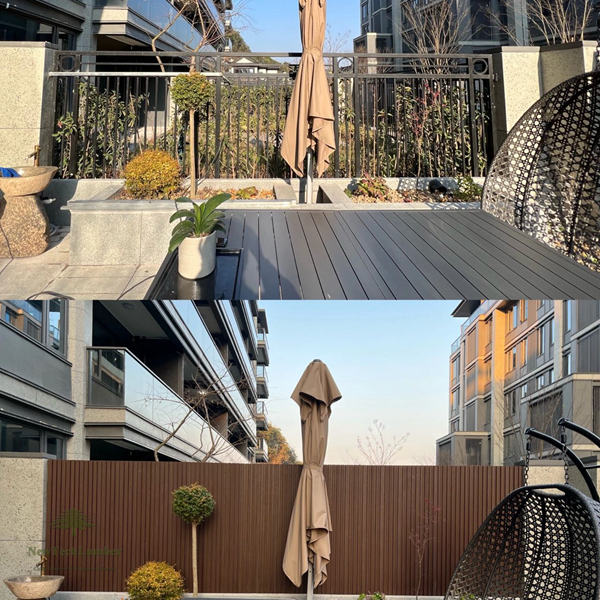
WPC offers a different balance between visual character and technical performance. It provides the appearance of timber while requiring less frequent treatment. For hospitality spaces, garden buildings, residential balconies, and landscape projects, the natural texture of WPC can create a warmer environment than metal alternatives. Aluminium may have advantages in fire-rated systems and high-rise applications, while WPC is often selected for projects where design appeal and outdoor comfort are key considerations.
Maintenance Requirements and Lifecycle Cost Comparison
Lifecycle cost analysis is essential for architects, contractors, and property owners because exterior materials continue to create expenses after installation. Natural wood usually demands the highest level of maintenance due to protective coatings and repairs required over time. Timber boards exposed to rain and sunlight may need replacement if deterioration affects their strength or appearance.
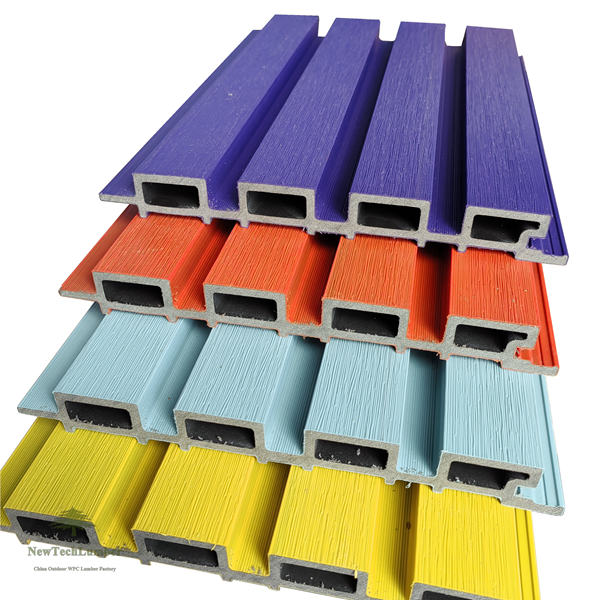
Composite cladding systems generally require routine cleaning with water and mild detergent rather than regular painting or sealing. The reduced maintenance workload can lower labour costs and minimise disruption for commercial properties. While high-quality WPC products may have a higher initial investment than some untreated timber options, their longer service life and lower upkeep requirements can create financial benefits throughout the building lifecycle.
WPC Compared With Other Exterior Material Alternatives
Other exterior materials, including fibre cement boards, PVC panels, stone, and brick, each have specific advantages. Fibre cement offers durability and resistance to fire, but installation can be labour intensive and the material often has a heavier visual character. Stone provides exceptional longevity and premium appearance, yet extraction, transport, and installation costs can make it unsuitable for some projects. PVC is affordable and lightweight, although some applications may require stronger protection against long-term weathering.
WPC occupies a position between traditional natural materials and highly engineered façade products. It delivers a timber-inspired appearance with improved resistance to moisture and biological damage. For manufacturers, engineers, and designers developing outdoor spaces, material choice should consider climate exposure, expected lifespan, installation methods, and customer maintenance expectations rather than focusing on one performance factor alone.
Design Considerations for Long-Term Exterior Applications
Successful exterior projects depend on matching material properties with the intended environment. Coastal locations, humid regions, and areas with strong seasonal temperature changes require materials that can maintain dimensional stability. WPC cladding is frequently selected for these conditions because it does not absorb water in the same way as conventional wood and is less vulnerable to common outdoor deterioration.
For architectural consultants, developers, and international buyers, evaluating supplier quality, formulation technology, surface treatment, and installation support is essential. A well-designed WPC system can provide reliable exterior performance while supporting contemporary designs that require natural textures and lower maintenance demands. The choice between WPC, timber, aluminium, and other materials depends on project priorities, but composite solutions continue to gain attention as buildings demand more durable and cost-efficient exterior finishes.