
Modern WPC Wall Panel Exterior for Contemporary Designs
The modern architectural landscape is increasingly embracing innovative materials that not only enhance aesthetic appeal but also contribute to sustainability and efficiency. One such material that has gained significant traction in recent years is the Wood Plastic Composite (WPC) wall panel. These panels, engineered from a blend of wood fibers and plastic, provide a contemporary solution for exterior wall cladding that meets the demands of modern design while offering various advantages in terms of global production capacity and cost efficiency.
The global distribution of WPC production is a reflection of the material’s growing popularity. Major manufacturing hubs have emerged across different regions, each contributing to the overall supply chain. The United States and Europe remain at the forefront, with advanced technologies and stringent quality standards driving innovation in WPC products. In the United States, companies focus on producing high-performance panels that can withstand diverse weather conditions, making them suitable for various climates. Meanwhile, European manufacturers emphasize sustainability, often sourcing recycled materials for their WPC products and adhering to rigorous environmental regulations.
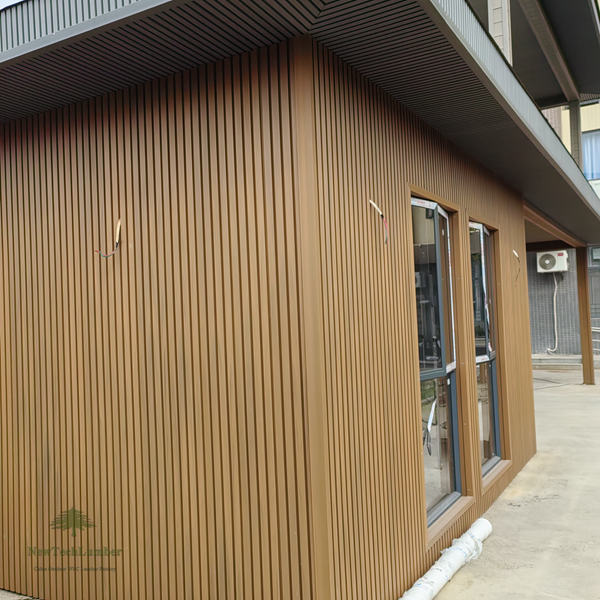
Asian countries, particularly China and India, have also become significant players in the WPC market. These regions benefit from lower production costs, which allows them to produce WPC wall panels at a competitive price point. As the demand for affordable yet durable building materials continues to rise, manufacturers in these countries are ramping up their production capabilities. The integration of modern technology into manufacturing processes has enhanced efficiency, enabling quicker turnaround times for large-scale projects. This shift not only meets local market demands but also positions these countries as key exporters to Western markets.
Price advantages are a critical factor in the widespread adoption of WPC wall panels. The cost of raw materials, labor, and production techniques significantly influences the final price of these products. In regions with abundant natural resources, such as North America, the availability of wood fibers helps keep production costs down. Conversely, in areas like Asia, where labor costs are generally lower, manufacturers can offer competitive prices without compromising on quality.
Furthermore, the durability and low maintenance requirements of WPC panels contribute to their cost-effectiveness over time. Unlike traditional wood, which can be prone to warping, rotting, and pest infestations, WPC panels are designed to withstand the elements. This resilience reduces the need for frequent replacements or repairs, making them a more economical choice for homeowners and builders alike. The inherent resistance to moisture and UV rays ensures that WPC wall panels maintain their appearance and structural integrity for years, providing significant long-term savings.
The aesthetic versatility of WPC wall panels also plays a crucial role in their appeal. Available in a variety of colors, textures, and finishes, these panels can mimic the look of natural wood while offering the benefits of plastic. This adaptability allows architects and designers to incorporate WPC into contemporary designs seamlessly, creating striking facades that enhance the visual appeal of modern buildings. As trends shift towards minimalistic and eco-friendly designs, WPC panels align perfectly with the preferences of today’s consumers.
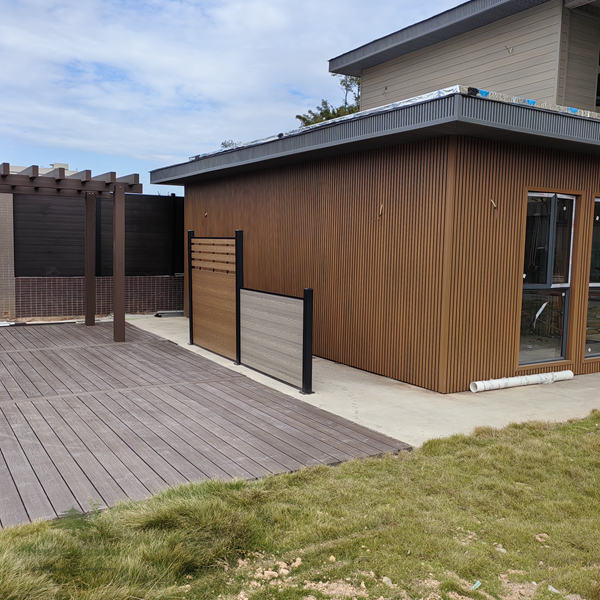
Moreover, the growing awareness of environmental sustainability has led to an increased demand for eco-friendly building materials. WPC wall panels are often manufactured using recycled plastics and wood fibers, reducing the carbon footprint associated with traditional building materials. This environmentally responsible approach resonates with consumers who prioritize sustainability in their purchasing decisions. The ability to promote green building practices while achieving modern design aesthetics makes WPC an attractive option for both residential and commercial projects.
In addition to their environmental benefits, WPC wall panels also contribute to energy efficiency. The insulating properties of these materials can help regulate indoor temperatures, reducing the need for heating and cooling systems. This energy efficiency not only leads to lower utility bills but also aligns with global efforts to reduce energy consumption and carbon emissions.
As the construction industry continues to evolve, the demand for modern materials like WPC wall panels will likely increase. The combination of global production capacity, price advantages, aesthetic versatility, and environmental sustainability positions WPC as a leading choice for contemporary designs. Builders and architects are increasingly recognizing the benefits of incorporating these innovative materials into their projects, paving the way for a future where WPC wall panels play a central role in architectural design.
The ongoing advancements in manufacturing technologies and the expansion of production capabilities worldwide suggest that the WPC market will continue to grow. As more consumers and businesses seek sustainable and cost-effective building solutions, the popularity of WPC wall panels will undoubtedly rise, solidifying their place in the modern architectural world.