
Modern WPC Exterior Wall Paneling for Contemporary Homes
In the realm of contemporary architecture, the choice of materials plays a crucial role in defining the aesthetics and functionality of a structure. One notable innovation that has gained traction in recent years is Wood Plastic Composite (WPC) for exterior wall paneling. WPC combines the best features of wood and plastic, offering a sustainable, durable, and visually appealing solution for modern homes. Understanding the installation and maintenance of WPC exterior wall paneling is essential for homeowners and builders who wish to leverage its advantages.
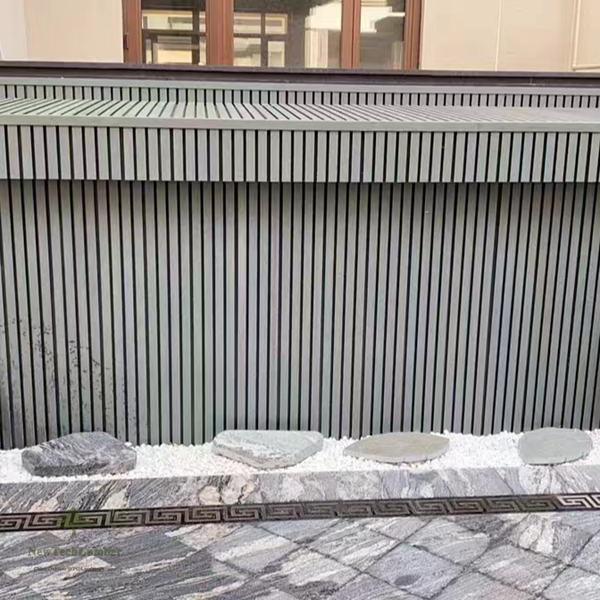
The first step in the installation process of WPC exterior wall paneling is selecting the right product. WPC panels come in various textures, colors, and styles, allowing for flexibility in design. When choosing a panel, it is vital to consider the climate of the installation area. Some WPC products are specifically engineered to withstand extreme weather conditions, while others may work better in more temperate environments. Consulting with manufacturers to understand the specifications and performance ratings can ensure that the selected panels meet the needs of the project.
Once the appropriate WPC panels are chosen, the next step is preparing the installation site. This preparation involves ensuring that the wall surfaces are clean, dry, and free of any debris. Any existing wall covering should be removed if it is damaged or not compatible with WPC paneling. Additionally, it is essential to check the structural integrity of the wall. Any issues should be addressed before proceeding, as a solid foundation is crucial for the longevity of the paneling.
The installation of WPC paneling typically involves using a system of clips and fasteners designed specifically for these materials. These fasteners help create a secure connection between the panels and the wall structure. It is recommended to start the installation from the bottom of the wall and work upward. This method helps ensure that water drains away from the panels, reducing the risk of moisture buildup and potential damage. Every manufacturer will provide specific guidelines regarding spacing and alignment, which should be followed closely to achieve an optimal installation.
One of the appealing aspects of WPC wall paneling is its lightweight nature, making it easier to handle and install compared to traditional materials like wood or brick. Moreover, WPC is resistant to warping, splitting, and cracking, which are common issues with natural wood. As a result, the likelihood of future repairs and replacements is significantly reduced. However, it is still important to follow best practices during installation to maximize the benefits of this material.
Post-installation, maintenance of WPC exterior wall paneling is relatively straightforward. One of the key advantages of WPC is its low maintenance requirement compared to traditional wood. The composite material is designed to resist fading and moisture absorption, which means that it does not need to be stained or sealed regularly. However, periodic cleaning is recommended to remove dirt, dust, and any contaminants that may accumulate on the surface.
For routine maintenance, a gentle wash with soap and water is usually sufficient. Homeowners should avoid using harsh chemicals or abrasive cleaning tools, as these can damage the surface of the panels. A soft-bristle brush or cloth is ideal for the job. For more stubborn stains, a mixture of vinegar and water can be used as a natural cleaning solution. It is crucial to rinse the panels thoroughly after cleaning to prevent any residue from causing discoloration.

In addition to regular cleaning, homeowners should conduct periodic inspections of the WPC panels. This includes checking for any signs of damage, such as cracks or loose panels. If any issues are detected, they should be addressed promptly to prevent further deterioration. Although WPC is designed to be durable, taking proactive steps in maintenance can extend the lifespan of the paneling significantly.
Another aspect to consider is the surrounding environment. If the home is located in an area with heavy vegetation, it is advisable to trim back any plants or trees that may come into contact with the panels. This practice not only enhances the aesthetics of the home but also prevents moisture buildup and potential damage from falling branches or debris.
The installation and maintenance of modern WPC exterior wall paneling offer numerous benefits for contemporary homes. With its blend of aesthetics and functionality, WPC serves as an excellent choice for homeowners seeking a sustainable and low-maintenance option. By following proper installation techniques and implementing straightforward maintenance practices, homeowners can enjoy the beauty and durability of WPC wall paneling for years to come. Embracing this innovative material represents a significant step forward in modern building practices, aligning with both environmental considerations and contemporary design trends.