
Ocean Transport Protection Standards for Outdoor WPC Products
As a WPC quality inspection supervisor, I oversee the final verification process before outdoor WPC products leave our factory for international shipment. Ocean transport exposes materials to long periods of humidity, temperature changes, vibration, and pressure from stacked cargo. Our inspection procedures are designed to confirm that every batch maintains its technical performance from production line to installation site. Packaging solutions for ocean transport must protect the product surface, dimensions, and structural properties, especially for projects involving composite decking, cladding systems, and accessories using wpc unterkonstruktion alu components.
Before packaging begins, our inspection team reviews production records, raw material reports, extrusion parameters, and quality samples. This preparation allows us to identify any variation before products are loaded into containers. The inspection process combines laboratory testing with practical checks that reflect real outdoor applications, helping international buyers receive consistent materials that meet project specifications.
Dimensional Accuracy and Density Control Before Shipment
Dimensional accuracy is one of the first checks performed on outdoor WPC products. We measure board length, width, thickness, edge profile, and surface flatness using calibrated measuring tools. Even small dimensional differences can affect installation efficiency, especially for large commercial projects where multiple batches must connect correctly. Our quality team compares actual measurements against technical drawings and customer requirements before approving shipment.
Density testing provides important information about material consistency. We examine sample sections from each production batch to verify that the wood plastic composite structure has the expected weight and internal composition. Stable density supports better screw holding strength, improved weather resistance, and reliable performance during long-term outdoor use. For systems that combine WPC profiles with aluminium support structures, including wpc unterkonstruktion alu solutions, accurate density control helps ensure compatibility between components.
Mechanical Performance Testing for Long-Term Outdoor Use
Impact resistance and bending strength tests are essential parts of our quality inspection programme. Outdoor WPC products must withstand daily stresses such as furniture loads, foot traffic, wind exposure, and accidental impacts. During impact testing, we evaluate whether the surface and internal structure can resist sudden force without cracking or permanent damage.
Bending strength testing measures how much pressure a WPC profile can handle before deformation occurs. We test samples under controlled conditions to confirm that the extrusion formula and production process provide sufficient structural support. These results are particularly important for decking applications installed on aluminium substructures, where stable mechanical performance affects safety and service life.
Water Absorption and Colour Stability Evaluation
Moisture resistance is carefully inspected because outdoor composite products are regularly exposed to rain, humidity, and changing weather conditions. Our water absorption tests measure how much moisture a sample absorbs after controlled water exposure. Lower absorption values indicate better protection against swelling, dimensional movement, and surface deterioration.
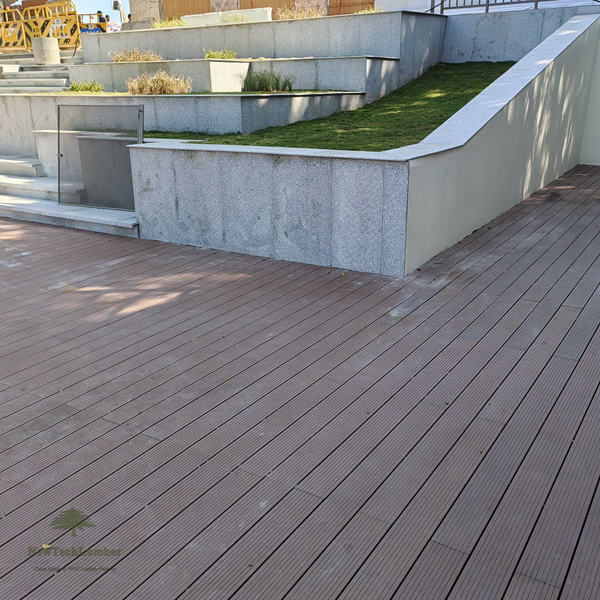
Colour stability testing evaluates how well WPC products maintain their appearance under sunlight and weather simulation. Samples are exposed to accelerated ageing conditions that imitate long-term UV exposure. We monitor colour changes, surface fading, and texture variation to ensure the finished products maintain a consistent appearance. This inspection is especially important for export orders where customers expect the delivered colour to match approved samples.
Appearance Inspection and Protective Packaging Process
Appearance inspection is the final quality checkpoint before products enter ocean transport packaging. Our inspectors carefully examine each item for scratches, cracks, uneven surfaces, extrusion marks, colour differences, and edge damage. Only products that meet visual standards are transferred to the packaging area. This manual inspection complements laboratory testing by identifying surface issues that technical measurements may not detect.
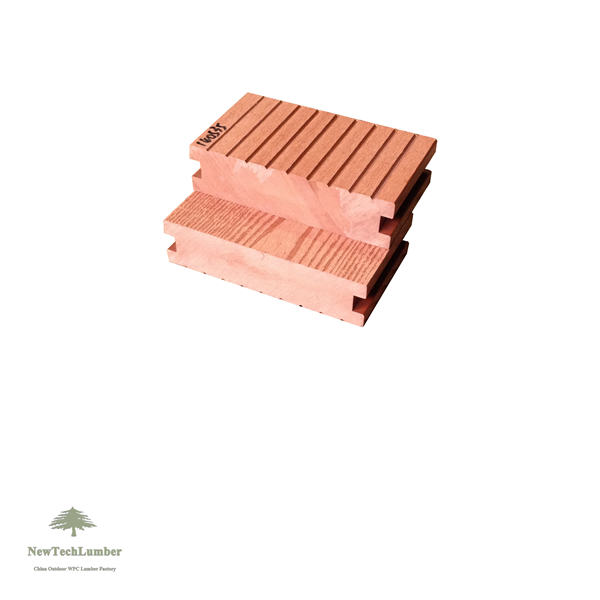
Packaging design is developed according to container conditions and destination requirements. Protective films, corner protection, moisture barriers, and reinforced pallets are selected to reduce damage risks during handling and sea transport. For export projects using aluminium substructures, packaging must also protect accessories such as wpc unterkonstruktion alu profiles from impact and corrosion risks. Proper packing methods help maintain product quality from factory loading through international delivery.
Quality Documentation for Reliable Global Supply
After completing all inspections, our team prepares quality reports covering test results, batch information, production dates, and packaging records. These documents support communication between manufacturers, distributors, architects, and project contractors. A complete inspection system gives buyers clear evidence that the WPC products have passed required performance checks before shipment.
As a quality inspection supervisor, my responsibility is to ensure every exported order reflects stable manufacturing standards. Outdoor WPC products require careful evaluation before leaving the factory because transportation conditions and installation environments can influence final performance. Through detailed testing, controlled packaging, and accurate documentation, manufacturers can provide dependable solutions for global outdoor construction projects.