
The Evolution of WPC Exterior Solutions
In recent years, WPC (wood plastic composite) materials have surged in popularity as a superior alternative to traditional timber in various applications, particularly for exterior solutions in both residential and commercial buildings. With a unique blend of wood fibres and recycled plastic, WPC offers an environmentally friendly option that does not compromise on performance. This innovative material is not only aesthetically pleasing but also delivers remarkable durability, making it a prime choice for projects demanding longevity and minimal maintenance.
Durability: A Comparison with Natural Wood
When examining the durability of WPC exterior products, it becomes evident that they far outshine their natural wood counterparts. Traditional wood is susceptible to a host of challenges, including rot, warping, and insect infestation. On the other hand, WPC is engineered to withstand the elements, ensuring that it remains intact and appealing for years. The composite nature of WPC allows it to resist moisture, which is a significant factor in preventing decay and extending the lifespan of exterior installations. For property owners seeking a long-term investment, WPC offers an assurance that natural wood simply cannot match.
Slip Resistance for Safety
One of the standout features of WPC decking is its slip-resistant surface. This characteristic is particularly important for outdoor spaces where safety is paramount, such as decks and walkways. Natural wood can become slippery when wet, posing a risk of accidents, especially in rainy or humid conditions. WPC, however, is designed with a textured surface that enhances grip, significantly reducing the likelihood of slips and falls. For both residential and commercial applications, this aspect of WPC exterior solutions is a vital selling point, ensuring peace of mind for property owners and their guests.
Weather Performance: Resilience Through the Seasons
Weather performance is another critical area where WPC excels compared to traditional wood. Natural wood often expands and contracts with changing temperatures and humidity levels, leading to cracks, splits, and a less attractive appearance over time. WPC, conversely, maintains its shape regardless of the weather, allowing it to perform consistently in a variety of climates. Whether exposed to intense sunlight or heavy rain, WPC products retain their structural integrity and visual appeal.
Low Maintenance Requirements
One of the significant advantages of choosing WPC for exterior applications is the minimal maintenance it requires. Unlike natural wood, which necessitates regular staining, sealing, and repainting to keep it looking its best, WPC simply needs occasional cleaning with soap and water. This low-maintenance nature makes it an attractive option for busy homeowners and commercial property managers alike, who may not have the time or resources to devote to upkeep. By investing in WPC, property owners can enjoy their outdoor spaces without the constant worry of maintenance.
Aesthetic Versatility in Design
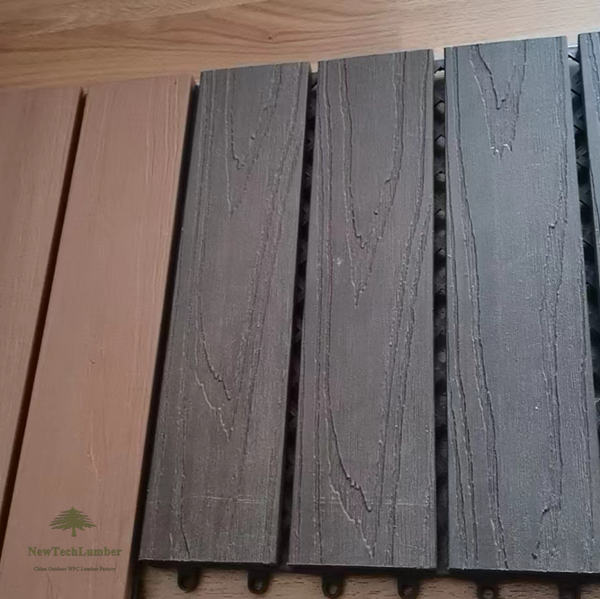
Beyond its practical benefits, WPC also offers exceptional aesthetic versatility. Available in a wide range of colours, textures, and finishes, it can mimic the appearance of natural wood while providing all the performance benefits of composites. This means that architects and designers can create stunning exteriors that cater to various styles, from classic to modern. With WPC, the design possibilities are virtually endless, making it an ideal choice for any project that demands both beauty and resilience.
Eco-Friendly Choice
As more stakeholders seek environmentally responsible building materials, WPC stands out as a sustainable option. Made from recycled materials, WPC helps reduce waste and the need for virgin timber, thus contributing to forest conservation. Additionally, the manufacturing processes for WPC are often more energy-efficient than traditional wood products, making it a greener alternative for exterior solutions. For businesses and homeowners committed to sustainability, opting for WPC is not just a practical choice but also an ethical one.