
Understanding WPC Board Siding
WPC board siding has emerged as a desirable choice for architects and builders aiming to create weather-resistant exterior walls. Constructed from a blend of wood fibres and recycled plastic, WPC siding offers a unique combination of aesthetics and practicality. Unlike traditional materials that can warp, crack, or rot, WPC boards maintain their integrity even in the harshest weather conditions. This resilience makes them particularly appealing for international buyers seeking long-lasting solutions for their projects.
The manufacturing process of WPC involves using advanced technology that enhances the product’s durability while ensuring it retains a natural wood-like appearance. This innovative approach not only contributes to the environmental sustainability goals of modern construction but also allows for designs that complement various architectural styles.
Installation Systems for WPC Board Siding
When it comes to installation, WPC board siding systems are designed for efficiency and ease of use. The boards are often equipped with hidden fastening systems, which enhances the aesthetic appeal by eliminating visible screws or nails. This feature makes it easier for contractors to achieve a clean and modern finish, which is highly sought after in today’s building trends.
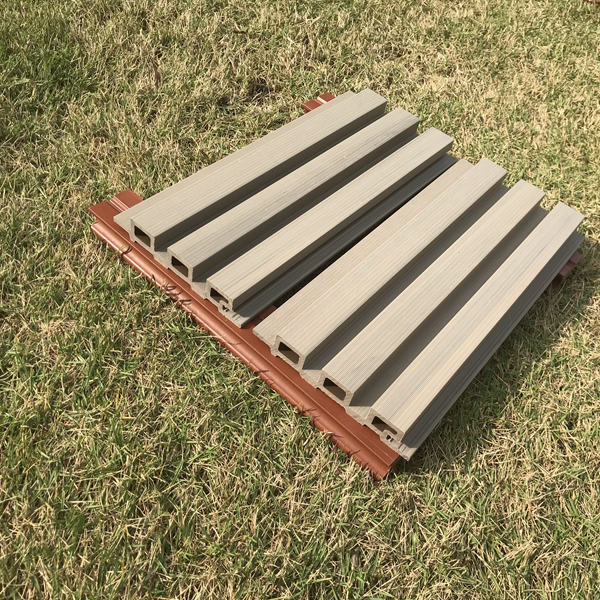
Adjustable pedestals are increasingly used in conjunction with WPC products, especially for creating level surfaces on uneven ground. These pedestals allow for precise height adjustments, making them ideal for terraces, balconies, and roof decks. The adaptability of these systems ensures that WPC board siding can be installed in a variety of settings, overcoming common challenges associated with traditional siding materials.
Benefits of WPC Board Siding
One of the standout advantages of WPC board siding is its resistance to moisture and pests. Unlike wood, which is prone to damage from insects and fungal growth, WPC boards are impervious to such threats. This characteristic significantly reduces maintenance costs over the lifespan of the product, making it an economical choice for both builders and property owners.
Furthermore, WPC siding is easy to clean and does not require painting or staining. This low-maintenance feature is particularly appealing for international buyers who want to minimise ongoing costs. The boards can be easily washed with soap and water, enabling homeowners to keep their exterior walls looking fresh and new without the hassle associated with traditional wood siding.
Sourcing WPC Products from China
China has become a leading hub for the production and export of WPC building materials, offering a diverse range of products to meet the needs of international buyers. The country’s manufacturers employ cutting-edge technology and stringent quality control measures to ensure that their WPC board siding meets global standards. For businesses looking to source WPC products, establishing connections with reputable Chinese manufacturers is essential.
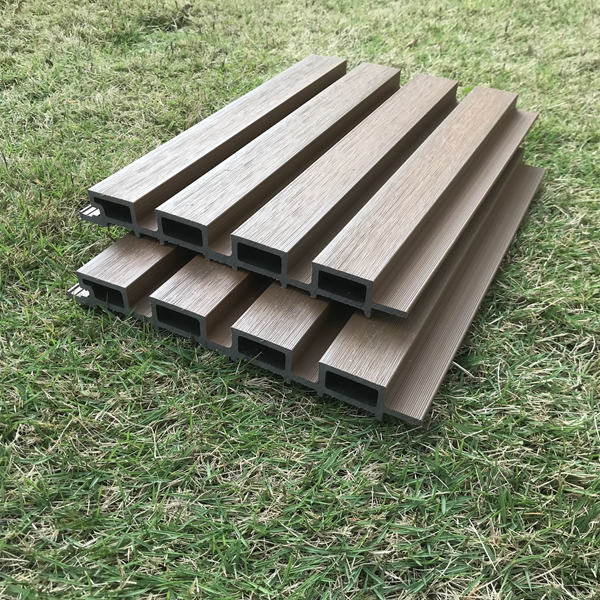
International buyers can benefit from competitive pricing and a wide array of design options when sourcing from China. Many manufacturers offer customised solutions, enabling clients to specify colours, textures, and sizes that align with their project requirements. This flexibility makes it easier for architects and builders to incorporate WPC board siding into their designs, enhancing both functionality and aesthetic appeal.
The Future of Exterior Walls with WPC Board Siding
As the demand for sustainable building materials continues to rise, WPC board siding is poised to play a significant role in future construction projects. Its eco-friendly properties, combined with its performance characteristics, make it a preferred choice among environmentally conscious builders. The potential for innovative designs and applications further cements its place in the market.
In addition, the ongoing advancements in WPC technology promise to enhance product performance and broaden the scope of applications. As more international buyers recognise the benefits of WPC board siding, its adoption in residential and commercial projects is expected to increase, paving the way for a more sustainable future in building materials.