
Why Composite Deck Gets Too Hot
Composite decking, often praised for its durability and low maintenance, has become a popular choice for outdoor spaces. However, one common complaint is that a composite deck gets too hot under direct sunlight. This phenomenon can deter homeowners from enjoying their outdoor areas, especially in warmer climates. The materials used in composite decking tend to absorb heat, making the surface uncomfortable to walk on, particularly during the peak summer months. Understanding this issue is crucial for manufacturers and end-users alike, as it opens the door to viable solutions that can enhance user experience.
Factors Contributing to Heat Retention
Composite decking is primarily composed of a mix of wood fibers and plastic, which can contribute to its heat absorption properties. The colour of the decking plays a significant role; darker shades tend to attract and retain more heat than lighter tones. Additionally, the surface texture can also influence thermal performance. Smooth surfaces may reflect heat differently compared to textured finishes. Factors such as outdoor installation location, shading from trees or structures, and ventilation can further impact how hot a composite deck gets. By having a thorough understanding of these variables, manufacturers can work on providing tailored solutions that mitigate heat retention.
Customised Solutions for Heat Reduction
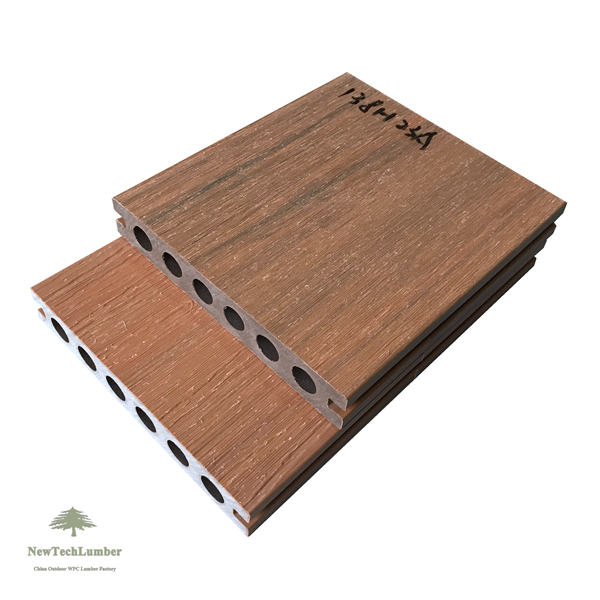
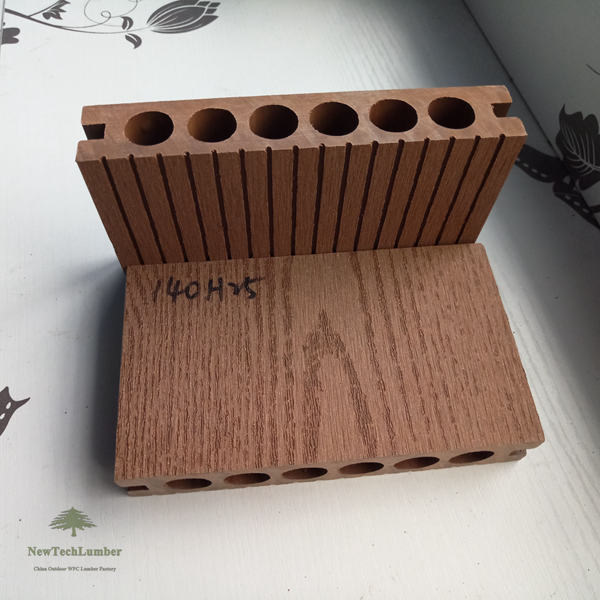
As an OEM customization specialist in a WPC factory, addressing the heat issue is a priority. Manufacturers can offer bespoke solutions to meet the specific needs of their clients. For example, providing a range of profile dimensions allows for better air circulation beneath a deck, which can help in reducing heat buildup. Furthermore, offering a spectrum of colours can enable customers to select lighter shades that naturally absorb less heat. Surface treatments are another avenue for customization; textures designed to enhance heat reflection can make a significant difference in overall temperature.
Innovative Surface Textures
One of the most promising developments in composite decking is the design of innovative surface textures that reflect sunlight more effectively. By modifying the surface characteristics, manufacturers can create products that not only look appealing but also provide functional benefits such as lower heat retention. Textured finishes can be engineered to disrupt the heat absorption process, allowing the surface to stay cooler even under direct sunlight. This is particularly vital for installations in regions where extreme temperatures are the norm. By incorporating these advanced textures, manufacturers can elevate the performance of their composite decking products.
Packaging and Branding Solutions
In addition to product customization, the packaging and branding of composite decking can also play a role in reducing heat-related concerns. Custom packaging that highlights the benefits of heat-resistant options can attract customers who are particularly sensitive to temperature issues. Furthermore, branding that emphasises eco-friendliness and sustainability aligns with the growing consumer demand for environmentally responsible products. By effectively communicating the advantages of choosing a specifically designed composite deck, manufacturers can enhance customer trust and satisfaction.
Future Trends in Composite Decking
The future of composite decking lies in continuous innovation aimed at heat reduction and improved user experience. With advancements in material science, manufacturers are exploring new composites that inherently possess better thermal properties. Research into additives that can be mixed during the manufacturing process to enhance heat resistance is ongoing. As global demand grows, the integration of smart technology into outdoor spaces may also provide solutions, such as cooling systems that activate when the temperature of the deck reaches a certain threshold. These trends indicate that manufacturers are not only aware of the challenges posed by heat but are actively seeking innovative ways to address them.