
Wood Plastic Composite
Wood plastic composite (WPC) has gained immense popularity in construction and decoration due to its unique combination of plastic and wood fibres, providing durability and aesthetic appeal. This material is predominantly used in outdoor applications, making it an ideal choice for decks, fences, and other landscaping projects. Its resistance to moisture, insects, and decay positions it as a reliable alternative to traditional wood products, addressing many concerns associated with outdoor installations.
Dimensional Accuracy Testing
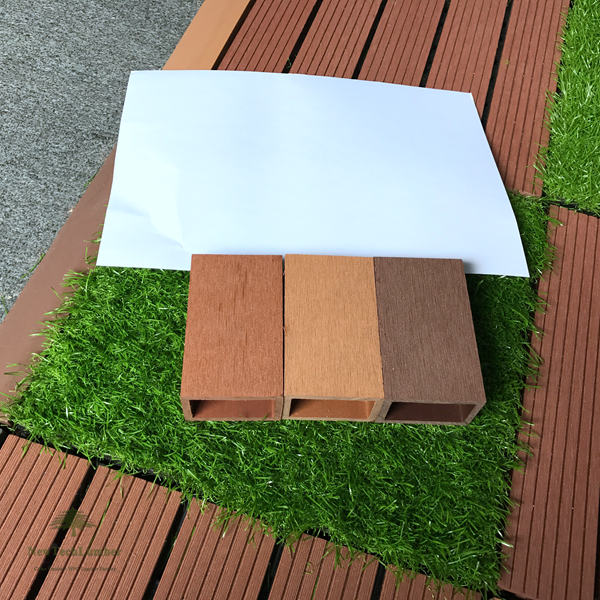
One of the primary tests conducted on outdoor WPC products is dimensional accuracy. This involves measuring the dimensions of the WPC boards to ensure they meet the specified tolerances. Any discrepancies in size can lead to installation challenges, impacting the overall appearance and functionality of the final product. During this inspection, gauges and calipers are used for precise measurements, ensuring that length, width, and thickness fall within the acceptable ranges defined by manufacturing standards.
Density Assessment
The density of WPC is another critical factor that influences its performance and durability. During testing, samples are weighed to determine their mass, which is then divided by the volume to calculate density. A higher density often indicates better mechanical properties, contributing to the product’s strength and resistance to wear. This assessment helps in identifying any inconsistencies in the raw materials or the manufacturing process, ensuring that each batch conforms to the expected quality standards.
Impact Resistance Evaluation
Impact resistance is a vital property for outdoor materials, particularly for WPC products exposed to varying weather conditions and physical stresses. To evaluate this aspect, samples undergo drop tests where weights are dropped from specified heights to observe how well they withstand sudden impacts. This test is crucial, as it mimics the real-world conditions WPC products will face once installed. It is essential for ensuring that the boards will not crack or shatter easily, maintaining their integrity even in adverse conditions.
Water Absorption Testing
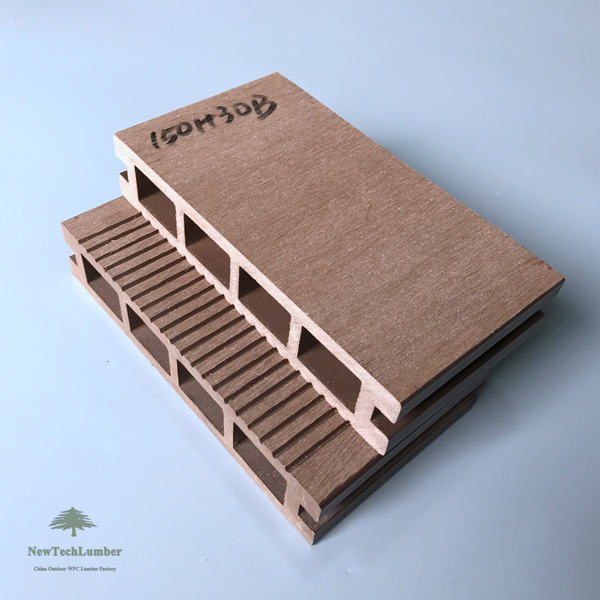
Another significant aspect of WPC quality inspection is the water absorption test. Given that these products are often used outdoors, their ability to resist water is crucial. Samples are submerged in water for a set period, after which their weights are measured to determine the amount of water absorbed. High levels of water absorption can lead to swelling and deformation over time, compromising the durability of the installed products. Hence, passing this test is critical for ensuring the longevity and performance of WPC applications.
Colour Stability and Appearance Inspection
Maintaining aesthetic appeal is essential for any product used in construction and decoration. Colour stability tests assess how well WPC products retain their colour when exposed to sunlight and other environmental factors. Samples are placed under UV light for an extended period to simulate sun exposure. After this exposure, a visual inspection is conducted alongside colourimetric measurements to quantify any changes in hue. Following this, a thorough appearance inspection is carried out to check for any visual defects such as warping, fading, or surface irregularities. Such inspections ensure that products not only meet functional requirements but also maintain their intended aesthetic qualities.
Bending Strength Evaluation
Bending strength is another critical parameter in assessing the performance of WPC products, particularly in applications where load-bearing capacity is essential, such as in decking. During this evaluation, samples are subjected to bending loads until failure occurs. The force applied and the resulting deflection are recorded to determine the material’s modulus of elasticity and maximum bending strength. These results provide insights into how well the WPC can support weight and resist deformation under stress, ultimately informing designers and engineers of the suitability of the product for specific applications.
Final Quality Control Measures
Before any outdoor WPC products are shipped, a thorough review of all test results is conducted to ensure compliance with established quality standards. Only those products that meet or exceed the required specifications will be approved for shipment. This rigorous quality control process not only guarantees the performance and durability of WPC products but also reinforces the trust placed in them by construction professionals and homeowners alike. The multifaceted testing approach serves to highlight the material’s versatility and reliability, showcasing its widespread applicability in modern construction and decorative practices.