
Wood Plastic Wall Panels
Wood plastic wall panels have emerged as a popular choice for exterior wall decoration, combining the aesthetic appeal of natural wood with the durability of plastic. This innovative material not only enhances the visual aspect of buildings but also offers remarkable resistance to weather conditions, making it ideal for outdoor applications. The extrusion process used to manufacture these wall panels is pivotal in ensuring the quality and performance of the final product.
The Extrusion Process Explained
The extrusion of wood plastic composite (WPC) wall panels begins with material mixing, where wood flour, typically derived from recycled wood, and thermoplastic materials are combined. The choice of polymers is crucial; polyethylene, polypropylene, and polyvinyl chloride are common options that contribute to the material’s flexibility and strength. During this stage, additives such as colourants, UV stabilisers, and flame retardants may be included to enhance the overall performance and longevity of the wall panels.
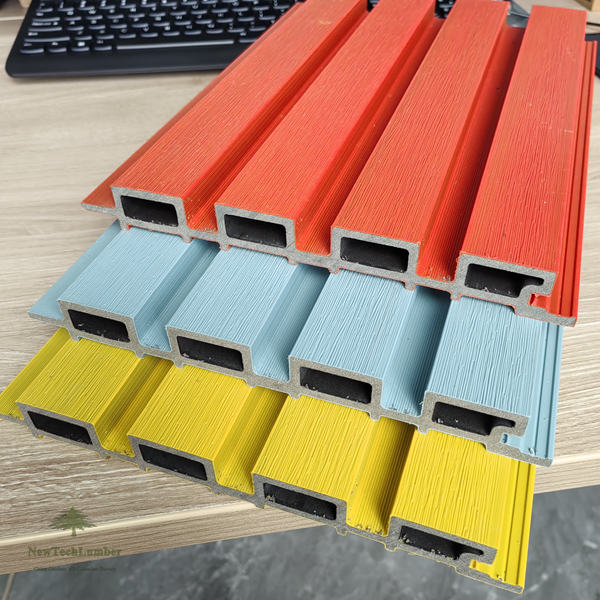
Once the materials are blended, the mixture is pelletised. This process involves heating the material until it reaches a molten state and forcing it through a die to form pellets. These pellets are easier to handle and store, ensuring consistent quality when they undergo the subsequent extrusion phase.
Temperature Control in Extrusion
The extrusion temperature is a critical factor in producing high-quality wood plastic wall panels. Proper temperature control ensures that the material flows smoothly through the extruder, preventing issues such as thermal degradation or incomplete melting. Generally, the temperature settings will depend on the type of polymer used, with optimal temperatures typically ranging between 160 to 220 degrees Celsius.
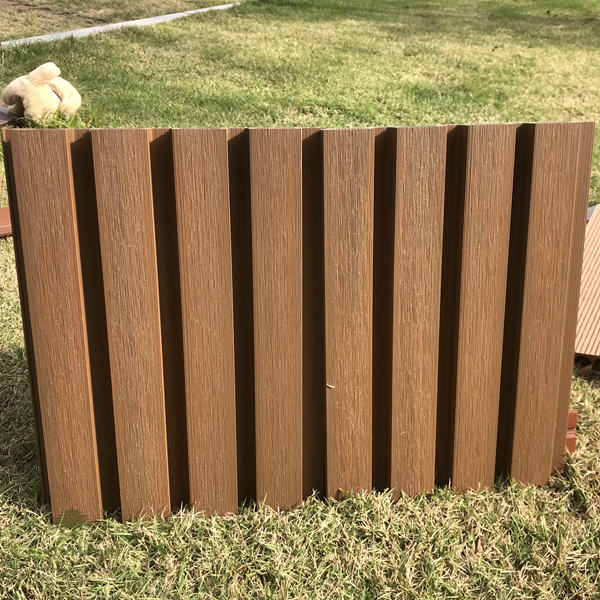
Maintaining the correct temperature throughout the process is essential, as fluctuations can lead to defects in the final product. For instance, excessive heat can cause the wood particles to break down, while insufficient heat results in poor adhesion between the wood and plastic components. Advanced extrusion machines are equipped with precise temperature control systems that allow engineers to monitor and adjust the temperature in real-time.
Mold Design and Calibration
Mold design is another integral aspect of the WPC extrusion process. The molds used for shaping wood plastic wall panels must be carefully engineered to achieve the desired dimensions and surface finish. A well-designed mold not only defines the aesthetics of the product but also influences its mechanical properties.
Surface Treatment Techniques
The surface treatment of wood plastic wall panels plays a significant role in enhancing their performance and aesthetic appeal. Various techniques can be employed to achieve a desired finish, including sanding, coating, and printing. Simply sanding the surface can create a smooth feel and improve the panel’s appearance, while additional coatings can provide an extra layer of protection against UV rays and moisture.
Coatings can be formulated to provide specific benefits, such as anti-fungal properties or increased durability. Moreover, digital printing technologies enable manufacturers to apply intricate designs or patterns directly onto the panels, further enhancing their appeal. These treatments ensure that wood plastic wall panels not only look good but also perform well over time.
Common Production Challenges
Benefits of Wood Plastic Wall Panels
The benefits of wood plastic wall panels extend beyond their production technology. These panels are environmentally friendly, as they utilise recycled materials and are fully recyclable themselves. Their durability reduces maintenance costs and extends the lifespan of building exteriors, making them a cost-effective solution in the long run.